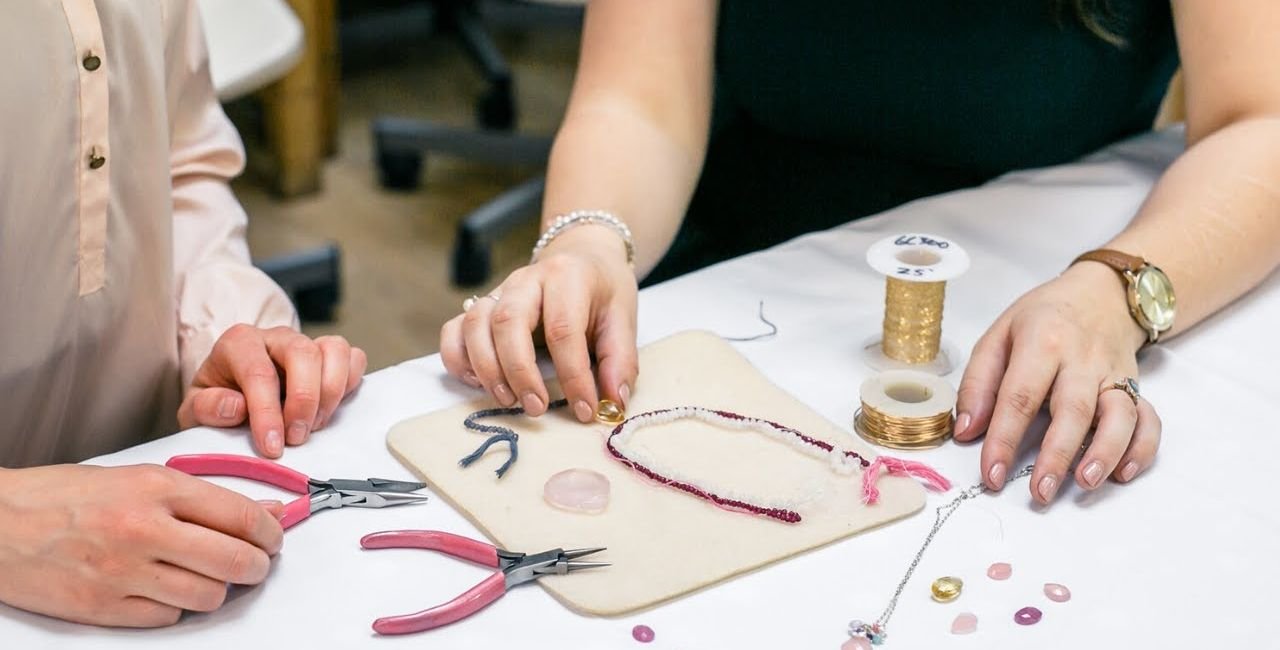
The creative world offers countless opportunities for passionate individuals, and the Handmade Jewelry Business emerges as one of the most fulfilling paths for artisans who love transforming simple materials into meaningful adornments. With rising demand for unique, personal pieces that tell a story, this venture combines artistic expression with entrepreneurial spirit, allowing makers to earn income while sharing beauty and craftsmanship with others. In 2026, as consumers increasingly seek items that reflect individuality and care, starting a handmade jewelry venture can lead to both personal satisfaction and steady financial rewards when approached with dedication and smart planning.
This comprehensive guide explores every aspect of building a successful handmade jewelry venture. From understanding market dynamics to practical setup, design techniques, marketing approaches, and long-term growth, you will find clear, actionable insights tailored for beginners and growing creators alike. Whether you dream of selling at local markets or reaching global audiences online, the following sections provide a complete roadmap grounded in real-world practices that respect ethical standards and community values.
Understanding the Appeal of Handcrafted Jewelry in Today’s World
Handcrafted jewelry holds a special place in personal style because each piece carries the maker’s touch, time, and intention. Unlike mass-produced items, these creations often incorporate natural elements, cultural motifs, or personal symbolism that resonate deeply with wearers. People choose handcrafted jewelry for its authenticity, quality, and the story behind it—qualities that stand out in an era of fast fashion and uniformity.
The global interest in such items continues to rise due to greater awareness of sustainability and ethical production. Customers value knowing that their accessories come from skilled hands rather than automated factories. This preference creates strong demand for handcrafted jewelry that emphasizes quality materials, fair practices, and unique designs. Many enthusiasts also seek artisanal jewelry making processes that highlight traditional techniques blended with modern creativity, making the sector both culturally rich and commercially promising.
Market Overview and Emerging Trends for 2026
The handmade jewelry sector shows robust expansion as consumers prioritize meaningful purchases. Recent industry insights indicate the market has grown significantly, with projections pointing to continued double-digit increases through the coming decade. This growth stems from several key factors: rising appreciation for personalization, ethical sourcing, and pieces that serve as expressions of identity rather than mere decoration.
In 2026, several trends shape the landscape. Vintage-inspired designs with nostalgic elements gain popularity, as do organic and sculptural forms that mimic nature’s flow. Personalization remains central—customers request custom engravings, birthstone combinations, or symbols tied to their life stories. Sustainability plays a major role too, with many makers focusing on recycled metals, ethically sourced gemstones, and eco-friendly packaging.
Custom handmade accessories also see strong interest, particularly layered pieces, asymmetrical earrings, and textured metalwork that offer versatility for everyday wear. Gender-neutral styles and meaningful luxury options appeal to a broader audience seeking timeless yet distinctive items. These trends open doors for creative entrepreneurs who stay attuned to shifting preferences while remaining true to their artistic vision.
For deeper context on the history and evolution of such crafts, consider the foundational knowledge available on platforms dedicated to traditional techniques. (External link on related keyword: handmade jewelry – https://en.wikipedia.org/wiki/Handmade_jewelry)
Step-by-Step Guide to Launching Your Handmade Jewelry Business
Building a solid foundation requires careful preparation. Begin by defining your unique offering. Ask yourself what sets your work apart—perhaps it is intricate wire-wrapping, incorporation of local cultural motifs, or a focus on healing crystals and natural stones. Identifying a clear niche helps you stand out and attract loyal customers who appreciate your specific style.
Next, research your target audience. Who are they? Are they young professionals seeking everyday elegance, families looking for meaningful gifts, or individuals drawn to spiritual and wellness-oriented pieces? Understanding their preferences guides your design choices and marketing efforts.
A helpful resource for new creators is the detailed step by step guide for new entrepreneurs in 2026 and beyond, which offers practical advice on foundational planning while emphasizing ethical and community-focused approaches.
Once your vision is clear, source high-quality materials responsibly. Work with reputable suppliers who provide beads, wires, chains, and findings that meet quality standards. Start small to test designs and gather feedback before scaling purchases. Many successful makers begin by using personal savings and revenue from early sales to fund material costs, ensuring steady progress without external pressures.
Designing and Crafting Exceptional Pieces
The heart of any handmade jewelry venture lies in the creation process. Dedicate time to honing your skills through practice and learning. Experiment with techniques such as beading, metal stamping, wire forming, and stone setting to develop a signature style. Keep detailed notes on each design, including materials used and time invested, to maintain consistency and inform future pricing.
Focus on quality at every stage. Ensure pieces are durable, comfortable to wear, and finished with care—polished edges, secure clasps, and thoughtful details make a lasting impression. Incorporate elements that align with current trends while staying authentic to your voice. For instance, many artisans in 2026 blend traditional hand-engraving with contemporary minimalism to create pieces that feel both timeless and fresh.
Document your process with photographs and short videos. These visuals not only help you refine your work but also become powerful tools for sharing your craft online. Customers love seeing the journey from raw materials to finished jewelry, which builds emotional connection and trust.
Setting Up Your Workspace and Daily Operations
A dedicated workspace boosts efficiency and creativity. Even a small home corner can serve as your studio if organized well. Invest in good lighting, comfortable seating, proper storage for materials, and basic tools suited to your chosen techniques. Safety remains important—use protective gear and maintain a clean environment to prevent accidents and ensure high standards.
Organize your operations thoughtfully. Track inventory meticulously to avoid shortages or excess stock. Develop simple systems for order fulfillment, packaging, and customer communication. Many creators begin part-time while balancing other responsibilities, gradually expanding as sales grow. This measured approach allows for sustainable development aligned with personal values.
For broader insights into expanding operations, explore business growth strategies 2026, which highlights ethical and practical methods for long-term advancement.
Pricing, Packaging, and Customer Experience
Set prices that reflect the time, materials, and skill involved while remaining accessible to your audience. Calculate costs accurately—including materials, tools, packaging, and a fair wage for your labor—then add a reasonable margin. Transparency in pricing builds trust; many customers willingly pay more for handcrafted items when they understand the value.
Packaging enhances the unboxing experience. Use recyclable or reusable materials with handwritten notes or care instructions to create a memorable touch. Excellent customer service, such as prompt responses and thoughtful follow-ups, turns one-time buyers into repeat customers and brand advocates.
Marketing Your Creations Effectively
Visibility drives sales in a competitive space. Social media platforms offer powerful, low-cost ways to showcase your work. Post regular content featuring behind-the-scenes creation processes, styling ideas, and customer stories. Consistent, authentic sharing helps build a community around your brand.
Consider participating in local craft fairs, pop-up events, or online marketplaces to reach wider audiences. Collaborations with complementary creators or small boutiques can also expand your reach. Digital marketing plays a key role; simple strategies focused on storytelling and engagement often yield strong results.
A valuable reference for practical approaches is the guide on digital marketing for small businesses by garage2global, which provides budget-friendly tactics tailored for growing ventures.
Email newsletters and loyalty programs further nurture relationships. Offer exclusive discounts or early access to new collections to reward loyal supporters. Over time, these efforts compound, creating a self-sustaining flow of orders and referrals.
Legal and Ethical Considerations for Responsible Growth
Operating with integrity protects both your business and customers. Register your venture according to local requirements and maintain clear records of income and expenses. Focus on transparent sourcing—choose suppliers who uphold fair labor and environmental standards. Many makers emphasize community impact by supporting local artisans or contributing a portion of proceeds to meaningful causes.
Ethical practices strengthen brand reputation and align with the values many customers seek. By prioritizing honesty, quality, and respect, you build a foundation for lasting success that benefits everyone involved.
Success Stories and Inspiration from Fellow Creators
Across the world, artisans have turned their passion into thriving enterprises. Some began with simple wire earrings sold at weekend markets and grew to international online shops. Others specialize in culturally inspired pieces that celebrate heritage while appealing to modern sensibilities. Their common thread is perseverance, continuous learning, and genuine connection with customers.
These stories remind us that the Handmade Jewelry Business rewards those who remain committed to their craft and adaptable to change. The middle phase of development often involves refining processes, expanding product lines, and strengthening customer relationships—the point where consistent effort transforms a hobby into a recognized brand.
Overcoming Common Challenges
Every journey includes obstacles. Supply chain fluctuations, seasonal sales variations, or creative blocks can test resolve. Address these by maintaining flexible suppliers, diversifying product offerings, and setting aside time for inspiration and rest. Building a support network of fellow makers provides encouragement and practical advice during tougher periods.
Time management presents another hurdle when balancing creation with business tasks. Many successful creators use simple planning tools to allocate dedicated hours for designing, marketing, and administration, ensuring steady progress without burnout.
The Future Outlook for Handmade Jewelry Business
Looking ahead, the sector promises exciting possibilities. Advancing technology, such as improved online platforms and customization tools, will make it easier for small creators to reach global markets. Continued emphasis on sustainability and personalization will likely drive further innovation in materials and designs.
By embracing these opportunities while staying rooted in core values of quality and ethics, artisans can build ventures that endure and inspire. The combination of human creativity and thoughtful entrepreneurship positions handmade jewelry as a timeless industry with bright prospects.
Conclusion
Launching and growing a handmade jewelry venture requires passion, planning, and persistence, yet the rewards extend far beyond financial returns. You gain the joy of creating beauty, connecting with appreciative customers, and contributing positively to your community. With the strategies outlined here—clear vision, quality craftsmanship, ethical practices, and consistent marketing—you stand well-equipped to build something meaningful and successful.
Start small, stay true to your artistic voice, and remain open to learning. The world needs more creators who bring care and intention to everyday adornments. Your handmade jewelry business has the potential to flourish, one thoughtfully crafted piece at a time. Embrace the journey, celebrate progress, and watch your vision come to life in the hands and hearts of those who wear your creations.