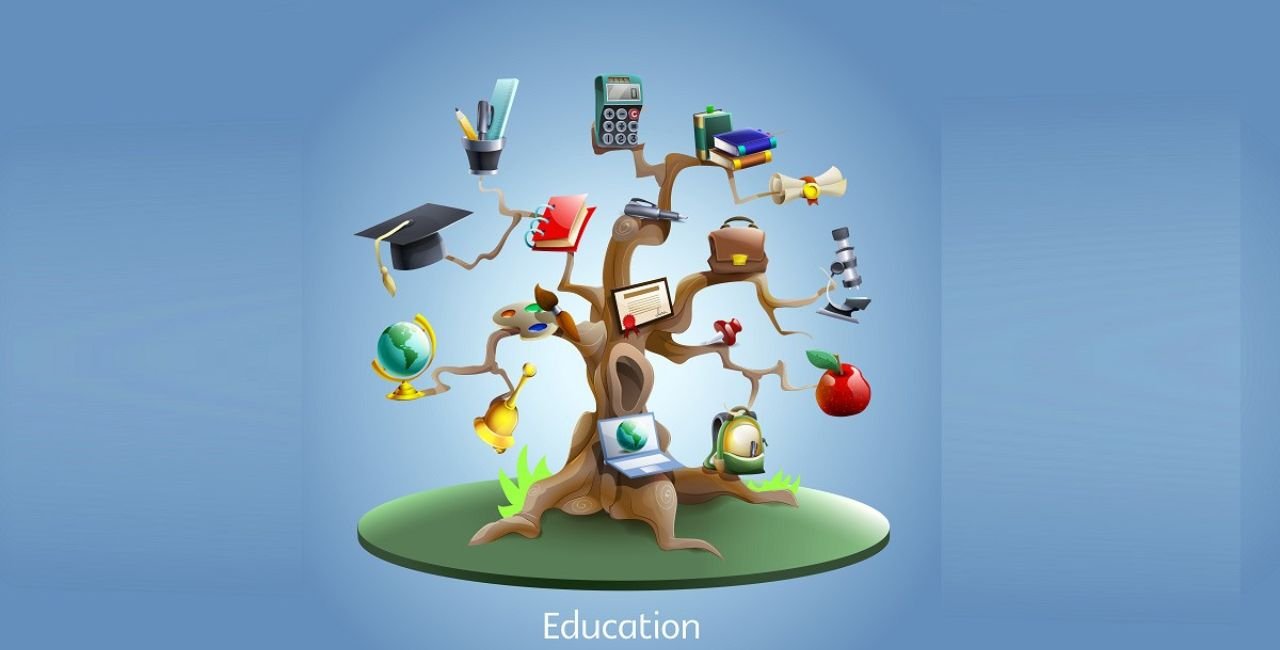
Education serves as one of the most powerful forces shaping human civilization. It equips people with knowledge, skills, and values necessary to lead meaningful lives and contribute positively to their surroundings. In every era and culture, the pursuit of understanding has driven progress, from basic literacy to advanced discoveries that improve quality of life. The importance of education in society cannot be overstated, as it forms the bedrock for informed decision-making, ethical conduct, and sustainable development.
When individuals gain access to structured learning, they develop critical thinking abilities that help them analyze situations wisely, solve problems creatively, and interact harmoniously with others. Families benefit through better health awareness, improved financial stability, and stronger bonds rooted in shared values. Communities thrive when educated members participate actively in local initiatives, volunteer efforts, and civic responsibilities. Nations advance economically and socially when their citizens possess the tools to innovate, collaborate, and address challenges collectively.
This article delves deeply into multiple dimensions of how education influences society. It examines personal empowerment, economic contributions, social cohesion, moral and ethical growth, historical transformations, contemporary challenges, and forward-looking strategies. Related concepts such as role of learning in community development, benefits of knowledge for social progress, and impact of education on equality and stability will also be explored to provide a holistic view. By the end, readers will appreciate why investing time, resources, and effort into widespread, quality education remains essential for any flourishing society.
Historical Perspectives on Education and Societal Advancement
Throughout history, societies that prioritized learning experienced remarkable transformations. Ancient civilizations recognized the value of transmitting knowledge across generations. In early Islamic history, the command to “read” marked the beginning of a profound emphasis on seeking understanding, leading to golden ages of scientific, medical, and philosophical achievements that benefited humanity broadly.
During the medieval period, centers of learning preserved and expanded knowledge in fields like mathematics, astronomy, and medicine. Scholars translated and built upon earlier works, creating foundations for later innovations. The Renaissance in Europe similarly highlighted how renewed focus on education sparked artistic, scientific, and cultural rebirths, shifting societies from feudal structures toward more dynamic systems.
In more recent centuries, the spread of public schooling in various regions correlated with industrialization, improved literacy rates, and expanded civic participation. Countries that invested early in universal basic education often saw faster reductions in poverty and higher levels of innovation. For instance, post-war reconstructions in several nations included heavy emphasis on rebuilding educational infrastructure, which accelerated economic recovery and social stability.
These historical patterns demonstrate a consistent truth: societies flourish when education is accessible and valued. Knowledge transmission has repeatedly enabled breakthroughs in agriculture, healthcare, governance, and technology. Without deliberate efforts to educate the masses, progress stalls, and inequalities widen. The role of learning in community development shines through these examples, as educated populations build institutions, create opportunities, and adapt to changing circumstances more effectively.
Personal Empowerment Through Education
At the individual level, education opens doors to self-discovery and capability building. It develops essential skills such as reading, writing, numeracy, and logical reasoning, which form the basis for lifelong learning. Children and adults alike gain confidence when they master new concepts, leading to greater resilience in facing life’s uncertainties.
Educated individuals tend to make healthier lifestyle choices. They understand nutrition, hygiene, preventive care, and the importance of balanced routines, resulting in longer, more productive lives. Families with higher educational attainment often experience improved child-rearing practices, where parents guide their children toward positive habits and moral values.
Career opportunities expand significantly with learning. Skilled workers contribute more effectively in their professions, whether in agriculture, craftsmanship, teaching, healthcare, engineering, or administration. This leads to better income levels, which support family well-being, savings, and community investments. Personal satisfaction grows as people pursue interests aligned with their talents, fostering a sense of purpose.
Moreover, education nurtures emotional intelligence and communication abilities. Individuals learn to express ideas clearly, listen actively, and resolve conflicts peacefully. These soft skills enhance relationships within families and neighborhoods, creating supportive environments where mutual respect prevails. The benefits of knowledge for social progress begin here, with empowered persons who uplift themselves and inspire those around them.
Economic Contributions of Education to Society
Education acts as a key driver of economic vitality. A workforce equipped with relevant skills boosts productivity across sectors. Farmers using improved techniques, artisans refining their crafts, and professionals applying advanced methods all contribute to higher output and innovation.
Studies consistently show that each additional year of schooling correlates with increased earning potential, often around 10 percent on average. This translates into greater tax contributions, reduced reliance on public support systems, and stronger local economies. Societies with higher average educational levels attract investments, develop competitive industries, and participate more effectively in global trade.
Entrepreneurship flourishes when people possess business literacy, problem-solving abilities, and technical know-how. Educated individuals identify market needs, manage resources wisely, and create employment opportunities for others. This ripple effect strengthens supply chains, services, and community wealth.
At the national level, investments in education yield substantial returns. Human capital—the collective knowledge and abilities of citizens—becomes a primary asset for sustained growth. Countries prioritizing quality learning often experience faster GDP expansion, technological adoption, and resilience during economic shifts. The impact of education on equality and stability includes breaking poverty cycles, as educated parents provide better starts for their children, leading to intergenerational progress.
Social Cohesion and Reduction of Inequalities
One of the most significant societal benefits lies in education’s power to promote unity and fairness. Learning environments bring together people from diverse backgrounds, fostering understanding, tolerance, and collaboration. Students and learners develop appreciation for different perspectives while sharing common goals of growth and contribution.
Gender equality advances markedly when girls and women gain equal access to education. Educated women tend to marry later, have fewer but healthier children, and participate more actively in community affairs. This leads to improved family nutrition, healthcare awareness, and overall well-being. Societies that close gender gaps in learning witness faster reductions in poverty and broader social advancements.
Education also supports better governance and civic engagement. Informed citizens understand their rights and responsibilities, participate thoughtfully in community decisions, and hold leaders accountable through peaceful means. Higher literacy levels correlate with increased volunteering, charitable activities, and social initiatives that address local needs.
Crime rates and social conflicts often decline in educated populations, as individuals gain tools for constructive conflict resolution and ethical decision-making. Awareness of laws, human rights, and communal harmony encourages responsible behavior. The role of learning in community development manifests strongly here, building trust, reducing divisions, and creating inclusive spaces where everyone can contribute.
Moral, Ethical, and Spiritual Dimensions of Education
Education extends beyond academic subjects to character formation. It instills values such as honesty, perseverance, compassion, and justice. Learners explore ethical dilemmas, historical lessons on right conduct, and principles that guide positive interactions.
In many traditions, including Islamic teachings, seeking beneficial knowledge holds profound spiritual significance. The Prophet Muhammad (peace be upon him) emphasized that pursuing understanding is an obligation for every Muslim, male and female. This pursuit leads to Paradise and elevates the status of scholars. The Quran encourages reflection, observation of creation, and continuous learning as pathways to deeper faith and wisdom.
Such moral grounding helps societies maintain ethical standards amid rapid changes. Educated individuals are better equipped to distinguish beneficial practices from harmful ones, resist negative influences, and promote justice. They serve as role models, guiding families and communities toward righteousness and collective welfare.
This dimension reinforces the benefits of knowledge for social progress, as morally aware citizens build trustworthy institutions, fair markets, and compassionate support systems. Education thus nurtures not only intelligent minds but also upright hearts committed to serving humanity.
Education’s Role in Health, Innovation, and Environmental Awareness
Health outcomes improve dramatically with education. People learn about disease prevention, vaccination, sanitation, and mental well-being. Educated mothers, for example, provide better care, leading to lower infant mortality and stronger child development. Communities with higher literacy adopt healthier lifestyles, reducing burdens on healthcare systems.
Innovation and scientific progress depend heavily on educated populations. Researchers, inventors, and thinkers emerge from systems that encourage curiosity and rigorous inquiry. Breakthroughs in medicine, agriculture, renewable energy, and communication technologies arise when minds are trained to explore and experiment responsibly.
Environmental stewardship also benefits. Education raises awareness about conservation, sustainable practices, and the interconnectedness of human actions with nature. Informed citizens support policies that protect resources for future generations, addressing challenges like climate impacts through knowledge-driven solutions.
These areas highlight how the importance of education in society extends to long-term survival and quality of life. Learning equips people to innovate ethically while safeguarding the planet and public health.
Challenges Facing Education in Contemporary Societies
Despite its proven value, several obstacles hinder universal access to quality education. Resource limitations in some regions result in overcrowded classrooms, insufficient materials, and undertrained educators. Rural areas often lag behind urban centers, widening urban-rural divides.
Socioeconomic barriers prevent many talented individuals from pursuing studies. Poverty forces children into labor, while cultural norms or early marriages limit opportunities, particularly for girls. Quality issues arise when curricula fail to align with practical needs or when rote learning overshadows critical thinking.
Technological disruptions and rapid societal changes demand constant adaptation. Ensuring relevance in curricula while maintaining foundational values requires ongoing effort. Teacher motivation and retention remain concerns in many places, affecting learning outcomes.
Global events, including conflicts and economic pressures, disrupt schooling for millions. Addressing these requires coordinated actions from families, communities, governments, and international partners.
Strategies and Solutions for Promoting Education
Overcoming challenges demands multifaceted approaches. Governments can prioritize budget allocations for infrastructure, teacher training, and inclusive policies. Public-private partnerships help expand access through scholarships, vocational programs, and digital resources.
Community involvement proves vital. Local leaders and families can create supportive environments, encourage attendance, and supplement formal learning with moral guidance. Awareness campaigns highlight long-term benefits, motivating investment in education.
Technology offers promising tools. Online platforms, mobile learning apps, and interactive resources can reach remote areas, provided connectivity and device access improve. Blended models combining traditional teaching with modern aids enhance engagement.
Focus on equity ensures marginalized groups receive targeted support. Programs addressing girls’ education, adult literacy, and special needs contribute to overall societal gains. Curriculum reforms emphasizing practical skills, ethics, and lifelong learning prepare individuals for real-world contributions.
International cooperation, sharing best practices, and research into effective methods accelerate progress. Monitoring outcomes through reliable indicators helps refine strategies continuously.
The Islamic Emphasis on Knowledge and Its Relevance Today
Islamic teachings provide timeless inspiration for valuing education. The first revelation emphasized reading and reflection. Numerous sayings of the Prophet (peace be upon him) declare seeking knowledge a duty, promising divine facilitation and reward for learners. Scholars hold elevated status, and the pursuit of useful knowledge is encouraged across disciplines.
This perspective aligns perfectly with modern needs. It promotes balanced education that integrates faith, morals, sciences, and practical skills. Muslim communities historically built institutions that advanced multiple fields while upholding ethical standards. Reviving this spirit today can motivate investments in learning centers, research, and character education.
By embracing these values, societies foster environments where knowledge serves higher purposes—improving lives, promoting justice, and drawing closer to spiritual truths. The impact of education on equality and stability gains deeper meaning when rooted in such principles.
Future Outlook: Education for Sustainable Progress
Looking ahead, education must evolve to meet emerging realities. Emphasis on adaptability, digital literacy, emotional resilience, and ethical leadership will grow in importance. Lifelong learning models will replace one-time schooling, enabling continuous personal and professional development.
Global collaboration can address transnational challenges through shared educational initiatives. Focus on sustainability, intercultural understanding, and innovation will equip younger generations to build resilient societies.
Investing in early childhood development yields the highest long-term returns. Supporting teachers as key agents of change and involving parents actively creates stronger ecosystems for learning.
The role of learning in community development will remain central, as educated populations drive positive change across all sectors. With deliberate efforts, societies can achieve greater harmony, prosperity, and purpose.
Conclusion
The transformative power of education touches every aspect of human existence. It empowers individuals, strengthens economies, fosters social bonds, upholds moral standards, advances health and innovation, and promotes environmental care. From historical achievements to future possibilities, the evidence is clear: prioritizing accessible, quality learning leads to thriving societies.
Families, communities, and leaders share responsibility for creating opportunities where everyone can pursue knowledge beneficially. By addressing barriers, embracing values of continuous seeking of understanding, and investing wisely, we pave the way for equitable progress and collective well-being.
May efforts to spread education continue with sincerity and dedication, bringing blessings to individuals and societies alike. The journey of learning is lifelong, rewarding, and essential for a just and prosperous world.