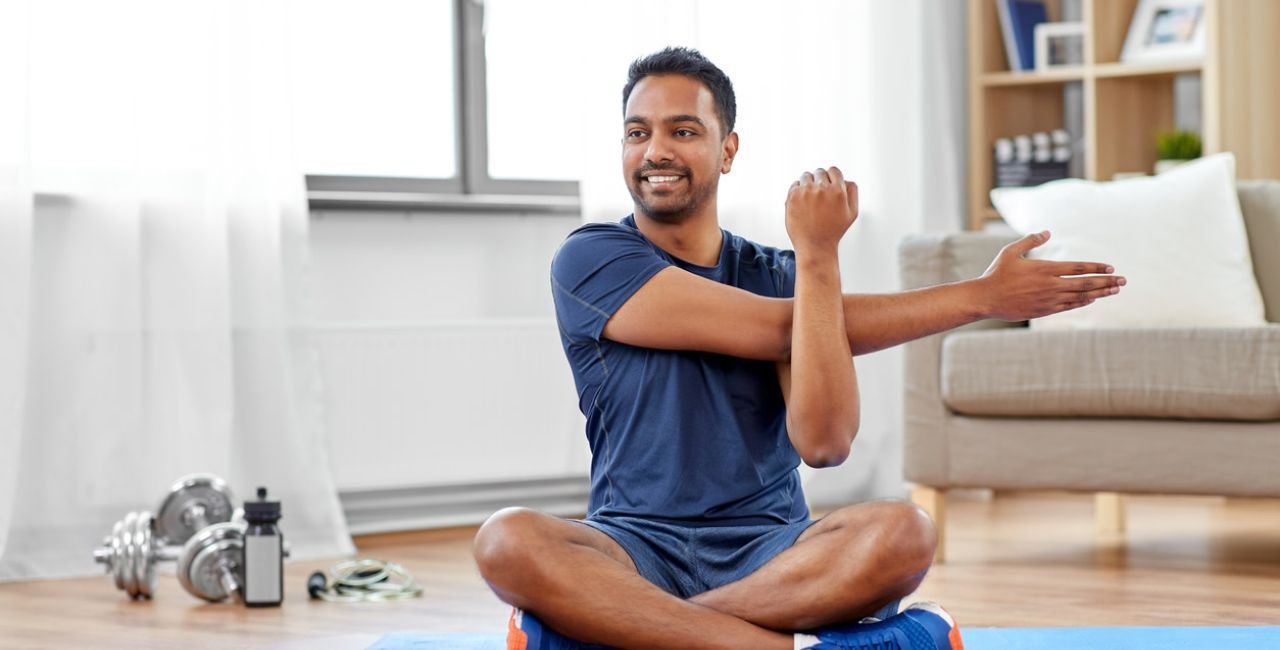
In today’s busy world, finding time and motivation for fitness can feel challenging, yet starting a healthy movement practice brings profound benefits to body and mind. The best home workouts for beginners offer an accessible path to building strength, boosting energy, and enhancing overall well-being without needing expensive gear or gym memberships. These routines use simple bodyweight exercises that fit into daily life, making them ideal for those new to fitness or returning after a break.
This comprehensive guide explores everything you need to begin confidently. You will learn proper form, sample plans, progression strategies, nutrition support, common mistakes to avoid, and long-term motivation techniques. Whether your goal is feeling stronger for daily tasks, improving posture, or supporting a balanced lifestyle, these home-based approaches emphasize consistency, safety, and enjoyment.
Why Home Workouts Are Ideal for Beginners
Home workouts remove many barriers that prevent people from starting. No travel time, no crowds, and complete privacy allow you to focus on learning movements at your own pace. Bodyweight exercises—using your own body for resistance—build functional strength that translates directly to everyday activities like carrying groceries, climbing stairs, or playing with children.
Research and practical experience show that even short, consistent sessions yield noticeable improvements in muscle tone, endurance, flexibility, balance, and mood. Beginners often experience better sleep, reduced stress, and increased confidence within weeks. These workouts align well with wholesome living principles, promoting moderation and natural progress rather than extremes.
Related benefits include
Convenience
Exercise anytime that suits your schedule.
Cost-effectiveness
Zero equipment required initially.
Customization
Modify moves easily for your fitness level.
Safety
Learn proper form without pressure.
Many people discover that starting at home builds the habit that lasts, leading naturally to more advanced training if desired.
Understanding Bodyweight Exercises: The Foundation of Home Fitness
Bodyweight training, also known as calisthenics, forms the core of effective beginner programs. These movements develop strength, coordination, and mobility using natural patterns.
- Engage multiple muscle groups simultaneously for efficient full-body training.
- Improve joint stability and balance.
- Scalable from very easy modifications to challenging variations.
- Minimal injury risk when form is prioritized.
Core Principles for Success
Focus on Form
Quality repetitions matter more than quantity.
Breathing
Exhale during effort, inhale during release.
Progression
Gradually increase difficulty as you grow stronger.
Consistency
Aim for 3–4 sessions per week with rest days.
Warm-up and Cool-down
Always include these for safety.
Essential Best Home Workouts for Beginners: Key Exercises with Step-by-Step Guidance
Here are foundational movements. Perform them with control and stop if you feel pain (distinct from normal effort).
Lower Body Exercises
Bodyweight Squats Stand with feet shoulder-width apart. Lower as if sitting back into a chair, keeping chest up and knees tracking over toes. Push through heels to stand. Beginners: Aim for 8–12 reps. Modification: Use a chair for support. This builds leg strength and improves mobility for daily movements.
Glute Bridges Lie on your back, knees bent, feet flat. Lift hips toward the ceiling, squeezing glutes at the top. Hold briefly, then lower. Great for posterior chain strength and back health. Do 10–15 reps.
Walking Lunges or Stationary Lunges Step forward into a lunge, lowering until both knees are at about 90 degrees. Push back or forward. Alternate legs. Modification: Shorter steps or hold onto a stable surface. Targets quads, hamstrings, and balance.
Calf Raises Stand and rise onto toes, then lower slowly. Add single-leg versions later for progression.
Upper Body Exercises
Wall Push-ups or Knee Push-ups Face a wall or floor on knees. Lower chest toward surface by bending elbows, then push back. Builds chest, shoulders, and arms safely. Progress to standard push-ups over time.
Arm Circles and Shoulder Rolls Simple dynamic movements to warm and strengthen shoulders. Do forward and backward circles.
Superman Holds Lie face down, lift arms and legs slightly off the ground. Hold to strengthen back muscles, countering modern sitting postures.
Core and Full-Body Stability
Plank Hold forearm or high plank position, body in a straight line. Start with 10–20 seconds. Strengthens deep core muscles essential for posture and injury prevention.
Bird-Dog On all fours, extend opposite arm and leg while keeping balance. Excellent for core stability and coordination.
Seated or Standing Marches Lift knees alternately to engage core and improve cardio without impact.
Mountain Climbers (Modified) In plank position, bring knees toward chest slowly. Low-impact version builds endurance.
Sample Beginner Home Workout Plans
20-Minute Full-Body Routine (3x per week)
- Warm-up: 5 minutes marching in place + arm circles.
- Circuit (repeat 2–3 times):
- Squats: 10–12 reps
- Knee Push-ups: 8–10 reps
- Glute Bridges: 12 reps
- Plank: 20–30 seconds
- Bird-Dog: 8 per side
- Cool-down: Gentle stretches for legs, chest, and back (5 minutes).
Rest 30–60 seconds between exercises. As you improve, add reps or reduce rest.
30-Minute Cardio + Strength Days
Incorporate more dynamic moves like marching, modified jumping jacks (step-outs), or shadow boxing movements for heart health. Alternate strength-focused and lighter movement days.
Weekly Structure Example
- Monday: Full-body strength
- Wednesday: Mobility and core focus
- Friday: Cardio-oriented circuit
- Rest or active recovery (walking, light stretching) on other days.
Track sessions in a notebook to monitor progress.
Progression Strategies: From Beginner to Confident
Progression keeps workouts effective and prevents plateaus:
- Increase repetitions or hold times.
- Slow down movements (e.g., 3-second lowering phase).
- Reduce rest periods.
- Advance variations (knee push-ups to full, assisted squats to deeper ones).
- Add simple household items like water bottles for light resistance later.
Listen to your body. Some days feel easier— that’s normal. Consistency over months brings impressive transformations.
Nutrition and Recovery: Supporting Your Home Workout Journey
Movement pairs best with wholesome eating for optimal results. Focus on balanced meals with vegetables, fruits, quality proteins (eggs, dairy, lentils, chicken, fish), whole grains, and healthy fats. Hydration is crucial—aim for plenty of water throughout the day.
For complementary insights on natural wellness habits, explore practical dietary approaches like those shared in resources on how to lose weight fast without exercise. Sleep 7–9 hours nightly and manage stress through prayer, reflection, or family time to enhance recovery.
Pair your beginner fitness routine with mindful eating for sustainable energy and better results.
Common Mistakes Beginners Make and How to Avoid Them
- Skipping warm-up: Always prepare muscles and joints.
- Poor form: Prioritize technique over speed or reps.
- Doing too much too soon: Start conservatively to build habits.
- Ignoring rest: Muscles grow during recovery.
- Comparing to others: Focus on your personal progress.
If unsure about form, consider reliable video demonstrations from trusted health sources or consult a professional when possible.
Benefits Backed by Experience and Knowledge
Regular home workouts improve cardiovascular health, muscle strength, bone density, balance, and mental clarity. They support daily function and long-term vitality. Many report feeling more energetic and positive after establishing the habit.
In the middle of building your practice with the best home workouts for beginners, you will notice not just physical changes but greater discipline and resilience that spill into other life areas.
Equipment-Free Variations and When to Add Minimal Tools
Most progress happens without anything extra. Later, resistance bands, a sturdy chair, or filled water bottles can add variety. A yoga mat improves comfort on hard floors.
For community inspiration, fitness discussions on platforms like Reddit’s bodyweight communities highlight real journeys and modifications.
Staying Motivated Long-Term
- Set small, achievable goals (e.g., 10 consistent sessions).
- Track non-scale victories: better energy, easier stairs, improved mood.
- Pair workouts with enjoyable elements like uplifting audio.
- Find accountability through family or online groups sharing wholesome fitness.
- Remember the broader picture: movement as an act of self-care and gratitude for health.
Explore related wellness topics on new business ideas today that sometimes touch on health coaching ventures for additional inspiration in building positive routines.
Advanced Beginner Transitions and Sample 4-Week Plan
Focus on learning form, 2–3 sessions/week, lower reps.Increase reps/holds, add a third day, incorporate light cardio elements.
Detailed daily breakdowns can expand based on individual schedules, but the principle remains: gradual, consistent effort yields results.
Integrating Movement into Daily Life
Beyond structured sessions, add activity through household chores, short walks, or standing breaks. These “movement snacks” compound benefits.
For deeper understanding of bodyweight training history and science, refer to Calisthenics on Wikipedia.
Addressing Specific Concerns: Age, Posture, Energy Levels
These workouts adapt well across ages with modifications. They particularly help counter sedentary effects on posture. Start gently if energy is low—short sessions still count.
Conclusion
Embarking on the best home workouts for beginners opens doors to greater strength, vitality, and confidence. With proper form, patience, and consistency, you can achieve meaningful improvements in a supportive home environment. Embrace the process, celebrate small wins, and enjoy the journey toward better health.
Remember related keywords like bodyweight exercises and home workout plan as you build your routine. Stay consistent, listen to your body, and seek professional advice for any health concerns. Your future self will thank you for starting now.