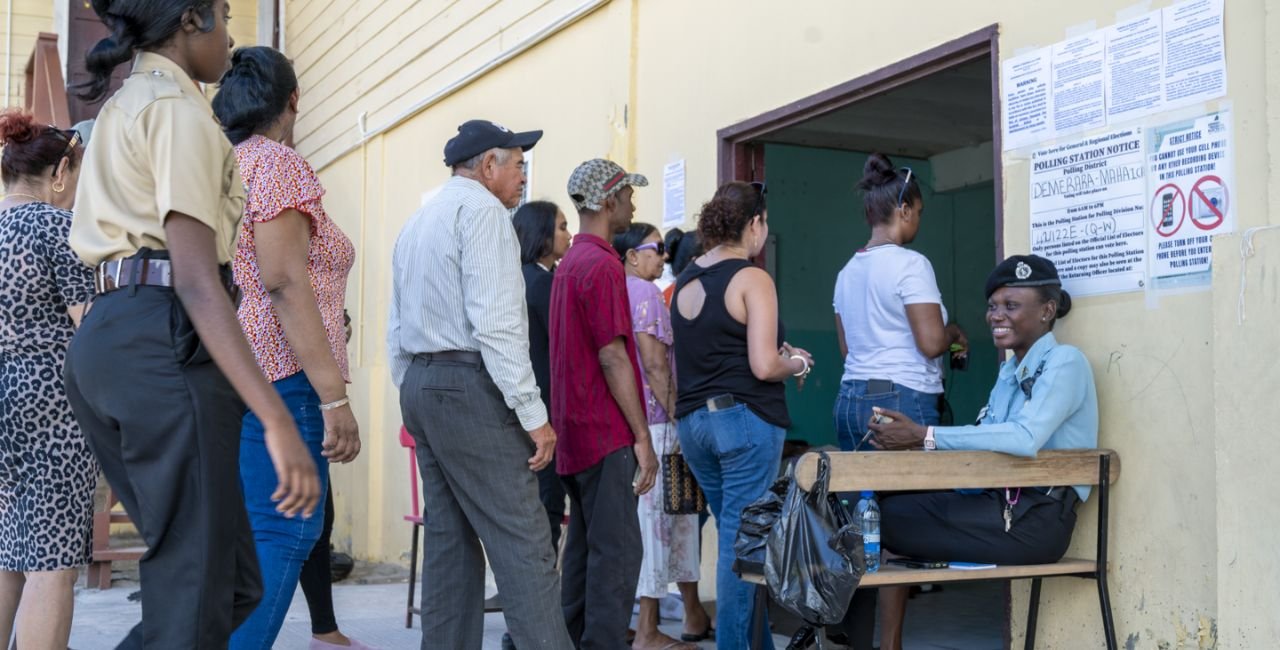
The democratic election process represents one of the most vital mechanisms through which citizens exercise their right to shape the future of their nations. It ensures that power derives from the consent of the governed rather than force or inheritance. In today’s interconnected world, understanding this process helps individuals appreciate its role in maintaining peace, promoting justice, and building inclusive societies.
Historical Evolution of the Democratic Election Process
The roots of the democratic election process trace back thousands of years to ancient civilizations that experimented with forms of collective decision-making. In ancient Athens, citizens gathered in assemblies to vote on laws and leaders, laying early groundwork for participatory governance. Though limited to a small group of free men, these practices introduced the concept of public deliberation and majority rule.
During the medieval period, various European assemblies and councils began incorporating elements of representation. Magna Carta in 1215 in England marked a significant step by limiting royal power and establishing principles that later influenced constitutional frameworks. The Enlightenment era in the 17th and 18th centuries brought profound philosophical contributions from thinkers like John Locke and Montesquieu, who emphasized natural rights, separation of powers, and the social contract between rulers and the people.
The American Revolution and the subsequent drafting of the United States Constitution in 1787 provided one of the first modern models of a republican democratic election process. Similarly, the French Revolution of 1789 championed ideals of liberty, equality, and fraternity, inspiring electoral reforms across Europe. By the 19th century, many countries expanded suffrage, gradually removing property qualifications and extending voting rights to broader segments of the population.
In the 20th century, decolonization movements in Asia, Africa, and Latin America led newly independent nations to adopt democratic election processes as symbols of self-determination. Post-World War II, international institutions like the United Nations reinforced the importance of free and fair elections through declarations and covenants that recognized political participation as a fundamental human right.
Today, the democratic election process continues to evolve, adapting to cultural contexts while upholding universal principles of transparency and inclusivity. Its historical journey demonstrates how persistent advocacy and societal progress have transformed limited systems into more representative ones.
Key Principles Underlying the Democratic Election Process
Several foundational principles guide every effective democratic election process. First among these is universal suffrage, which ensures that all eligible adult citizens can vote without discrimination based on gender, race, religion, or socioeconomic status. This principle reflects the belief that every voice matters in determining the direction of governance.
Another core element is the secret ballot, which protects voters from intimidation or coercion. By allowing individuals to cast their votes privately, societies safeguard the integrity of the electoral outcome and encourage honest expression of preferences.
Transparency stands as an equally important pillar. From the announcement of election dates to the counting of votes and declaration of results, every stage must remain open to public scrutiny and independent observation. This openness builds public confidence and deters potential irregularities.
Accountability mechanisms further strengthen the system. Candidates and political entities must adhere to campaign finance rules, disclosure requirements, and codes of conduct that prevent undue influence. Independent electoral commissions or bodies typically oversee these processes to maintain neutrality.
Finally, the principle of periodic elections ensures that no government remains in power indefinitely. Regular intervals—typically every four to five years—give citizens the opportunity to review performance and choose new leadership if necessary.
These principles work together to create an environment where the democratic election process truly reflects the will of the people.
Types of Electoral Systems
Different nations have developed varied electoral systems to suit their unique political landscapes, population sizes, and historical traditions. Understanding these variations provides valuable context for appreciating the flexibility of the democratic election process.
The first-past-the-post system, used in countries like the United Kingdom and India for many legislative seats, awards victory to the candidate with the highest number of votes in a constituency, even without a majority. This approach often produces clear winners and stable governments but can sometimes leave significant portions of voters without direct representation.
Proportional representation systems, common in many European nations, allocate seats based on the overall percentage of votes each party receives. This method tends to produce more diverse legislatures that mirror the electorate’s preferences more closely, encouraging coalition-building and broader consensus.
Mixed systems combine elements of both, allowing voters to select both individual representatives and parties. Such hybrid approaches aim to balance local accountability with proportional fairness.
Other specialized systems include ranked-choice voting, where voters rank candidates in order of preference, and single transferable vote, which facilitates the election of multiple representatives from larger districts.
Each system carries advantages and trade-offs, but all share the goal of translating citizen preferences into legitimate governance structures. Exploring these electoral systems reveals how countries tailor the democratic election process to their specific needs while preserving democratic integrity.
The Step-by-Step Democratic Election Process
Conducting a successful democratic election process involves meticulous planning and coordination across multiple stages.
Preparation and Legal Framework Authorities first establish or update electoral laws, delimit constituencies, and register voters. Voter education campaigns inform citizens about their rights and responsibilities.
Candidate Nomination Eligible individuals or parties submit nominations, often meeting signature or fee requirements to ensure seriousness of intent.
Campaign Period Candidates present platforms through rallies, debates, media appearances, and digital outreach. Rules govern spending and advertising to maintain fairness.
Voting Phase On election day, citizens cast ballots at designated polling stations. Advanced options like postal voting and early voting accommodate diverse needs.
Counting and Verification Officials tally votes under observation by party agents and independent monitors. Results undergo verification to resolve any discrepancies.
Announcement and Appeals Final results are declared, followed by a period for legal challenges if necessary. The elected representatives assume office through formal swearing-in ceremonies.
Throughout these steps, security measures protect both voters and materials, while technology increasingly assists in registration, balloting, and result transmission.
Global Perspectives on the Democratic Election Process
The democratic election process manifests differently across continents, reflecting cultural, historical, and institutional diversity.
In North America, the United States presidential election every four years captures global attention with its combination of primaries, caucuses, and Electoral College system. Canada employs a parliamentary model where national elections determine the composition of the House of Commons.
Europe showcases a rich tapestry of approaches. The United Kingdom’s general elections focus on constituency-based representation, while Germany’s mixed-member proportional system fosters coalition governments. Recent European political developments have underscored the vibrancy of these systems, where voter voices continue to shape leadership through open and competitive contests.
In Asia, India conducts the world’s largest democratic exercise, managing elections for over 900 million voters across vast distances. Pakistan’s electoral journey highlights the importance of strengthening institutions and ensuring smooth power transitions in South Asia.
Africa has witnessed remarkable progress since the 1990s, with many nations conducting regular multiparty elections despite logistical challenges. Latin America demonstrates resilience through repeated democratic cycles that have consolidated civilian rule in most countries.
These examples illustrate how the democratic election process adapts while maintaining its essential character of citizen empowerment.
For further reading on related global political developments and recent examples of democratic participation, see updates on latest global news.
Challenges Facing the Democratic Election Process in the Contemporary World
Despite its strengths, the democratic election process encounters several persistent challenges that require ongoing attention and innovative solutions.
Disinformation and misinformation spread rapidly through digital platforms, potentially influencing voter perceptions and undermining trust. Electoral authorities must therefore invest in media literacy programs and fact-checking initiatives.
Voter apathy remains a concern in many established democracies, where turnout has declined in some cases. Factors such as perceived inefficacy or complex registration procedures contribute to this trend. Enhancing voter participation through convenient voting methods and civic education can help reverse this pattern.
Political polarization sometimes leads to heightened tensions during campaigns, necessitating strong conflict-resolution mechanisms and inclusive dialogue.
Resource disparities between well-funded candidates and others can distort competition. Transparent campaign finance regulations help level the playing field.
Security threats, including physical risks to polling stations or cyber attacks on electoral infrastructure, demand robust protective measures.
In the middle of examining these pressing issues, it becomes clear that the democratic election process must continuously evolve to address emerging threats while preserving its foundational values of fairness and inclusivity.
International cooperation plays a supportive role here. Organizations and observers share best practices, monitor compliance with global standards, and provide technical assistance to nations strengthening their systems.
The Role of Technology in Modernizing the Democratic Election Process
Technological advancements have transformed nearly every aspect of the democratic election process. Biometric voter registration reduces duplication and enhances accuracy. Electronic voting machines can speed up counting while maintaining audit trails.
Blockchain technology offers promising applications for creating tamper-proof records of votes. Online voter portals allow citizens to check registration status, view candidate information, and in some cases, cast ballots securely from remote locations.
Social media platforms serve as powerful tools for outreach but also require regulation to prevent abuse. Artificial intelligence helps analyze patterns in voter behavior and detect irregularities in real time.
However, technology must be implemented carefully to avoid creating new forms of exclusion. Digital divides based on age, geography, or income must be bridged through hybrid approaches that combine traditional and modern methods.
Strengthening Political Accountability Within the Democratic Election Process
Political accountability ensures that elected officials remain answerable to the electorate between elections. Regular reporting, oversight committees, and freedom of information laws support this goal.
Independent media and civil society organizations act as watchdogs, scrutinizing government performance and exposing shortcomings. Public access to budgetary details and decision-making records further empowers citizens.
Political accountability serves as a cornerstone that reinforces public trust and encourages ethical leadership throughout the democratic cycle.
The Importance of Civic Education and Community Engagement
Sustainable democracy depends on an informed and active citizenry. Schools and community programs that teach the mechanics and values of the democratic election process cultivate lifelong participation.
Youth involvement through mock elections and leadership training builds future generations of responsible voters and leaders. Women’s groups, minority associations, and rural outreach initiatives promote broader inclusion.
International exchanges and partnerships also contribute by exposing participants to diverse models and innovative practices.
Future Directions for the Democratic Election Process
Looking ahead, the democratic election process will likely incorporate greater emphasis on sustainability, digital security, and intergenerational equity. Climate change and global health challenges may feature more prominently in electoral platforms.
Artificial intelligence and data analytics could refine campaign strategies and policy formulation while raising important ethical questions about privacy and manipulation.
Globalization may encourage more cross-border cooperation on electoral standards, perhaps through expanded observer networks and shared databases for best practices.
Ultimately, the resilience of the democratic election process depends on collective commitment from citizens, institutions, and leaders to uphold its principles amid changing circumstances.
Conclusion
The democratic election process remains an enduring testament to humanity’s aspiration for self-governance and collective progress. From its ancient origins to its modern manifestations, it has demonstrated remarkable adaptability while preserving core ideals of freedom, equality, and accountability.
By understanding its fundamentals, appreciating its variations, and addressing its challenges, societies can ensure that this vital institution continues to serve as a beacon of hope and stability. Every citizen’s engagement—whether through voting, monitoring, or advocating for improvements—strengthens the entire framework.
As nations navigate complex global realities, the democratic election process offers a proven pathway toward responsive governance and peaceful coexistence. Its success ultimately rests on the shared responsibility of all who value justice, transparency, and the dignity of every individual voice.