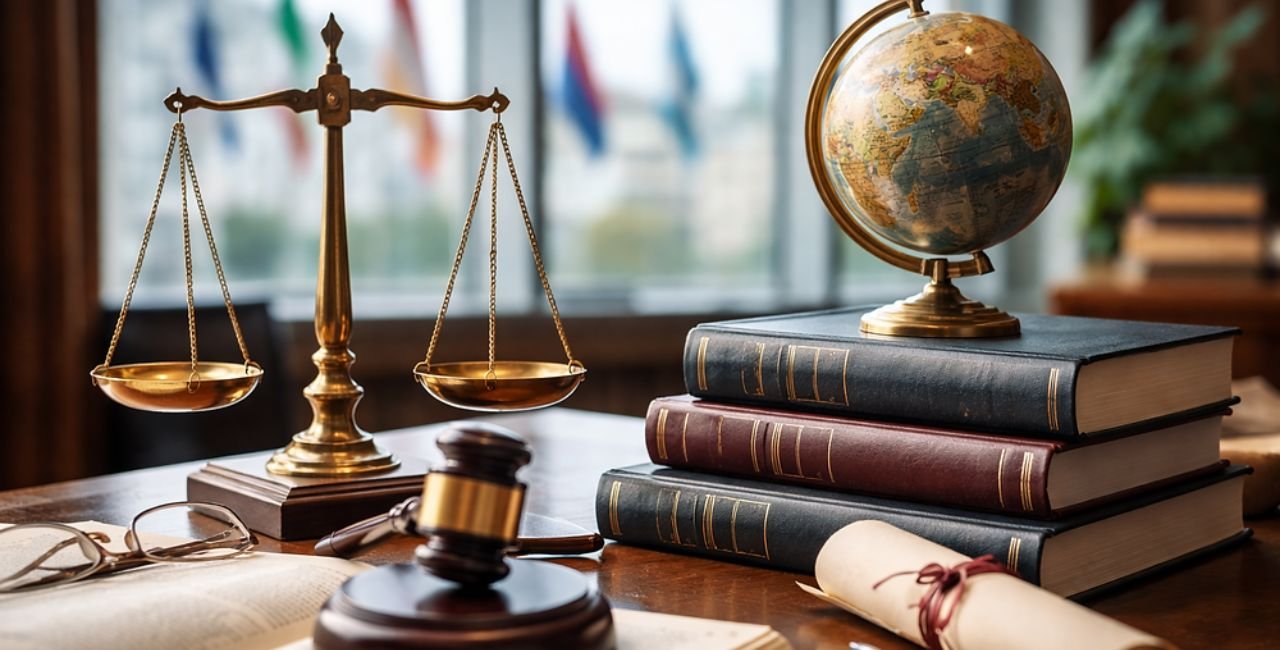
In an interconnected world where nations interact daily across borders, the principles guiding peaceful engagement have never been more essential. Diplomacy and International Law serve as foundational pillars that enable countries to navigate complex relationships, prevent conflicts, and build lasting partnerships based on mutual respect and shared values. These elements work together to create frameworks for dialogue, negotiation, and adherence to agreed standards that promote stability and fairness among sovereign states. Through careful study of their evolution and application, one gains a deeper appreciation for how they contribute to a harmonious global community focused on justice and collective progress.
The Historical Foundations of Diplomacy
Diplomacy traces its roots to ancient civilizations where leaders exchanged messengers and envoys to resolve disputes and forge alliances. Early societies in regions such as Mesopotamia, ancient Egypt, and the Indus Valley developed rudimentary practices of negotiation to maintain balance among kingdoms. These initial efforts laid the groundwork for structured communication that emphasized respect for sovereignty and the pursuit of common interests.
As empires expanded, diplomacy evolved into a more formalized art. The Greek city-states employed skilled orators and ambassadors to conduct talks during times of war and peace, while the Roman Empire established permanent representatives to oversee distant territories. Such practices highlighted the importance of clear communication and cultural understanding in preventing misunderstandings that could escalate into broader confrontations.
The Renaissance period marked a significant turning point with the emergence of resident ambassadors in European courts. Treaties and protocols became more sophisticated, reflecting a growing recognition that sustained dialogue could achieve outcomes unattainable through force alone. This era emphasized the value of patience, strategic thinking, and ethical conduct in interstate relations.
The Birth of Modern International Law
International law emerged as a distinct body of norms designed to regulate the behavior of states and promote orderly interactions. Its modern foundations are often linked to the Peace of Westphalia in 1648, which ended the Thirty Years’ War and established the concept of sovereign equality among states. This agreement introduced principles that discouraged external interference in domestic affairs while encouraging respect for territorial integrity.
Thinkers like Hugo Grotius, often regarded as the father of international law, contributed profoundly by articulating ideas based on natural reason and justice. His work emphasized that rules governing nations should derive from shared human principles rather than mere power dynamics. Over centuries, these ideas expanded to cover areas such as the law of the sea, rules for armed conflict, and protections for neutral parties during disputes.
The 19th and 20th centuries witnessed further development through multilateral conferences and the creation of institutions dedicated to codifying norms. The Hague Conferences, for instance, advanced rules on arbitration and peaceful settlement of disagreements, setting precedents for later global bodies.
Key Principles Guiding Diplomacy and International Law
At the core of effective engagement lie several enduring principles. Sovereignty remains central, affirming that each state holds authority over its internal matters while participating in the wider community of nations. Pacta sunt servanda, or the sanctity of agreements, underscores that commitments made through negotiations must be honored to maintain trust.
Equality among states, regardless of size or influence, ensures that smaller nations have a voice in global forums. Non-intervention prevents one country from imposing its will on another, fostering an environment where differences are addressed through constructive means. These principles collectively support a system where justice prevails over dominance.
Additionally, good faith in negotiations encourages transparency and sincerity. When parties approach talks with honesty, they are more likely to reach durable solutions that benefit all involved. Such values align with broader ethical frameworks that prioritize human dignity and collective well-being.
The Interplay Between Diplomacy and International Law in Global Affairs
Diplomacy functions as the practical tool through which international law is negotiated, interpreted, and applied in real-world scenarios. While law provides the structural rules, diplomacy breathes life into them by facilitating ongoing conversations and compromise. This dynamic relationship allows nations to adapt legal standards to emerging challenges while upholding core norms.
Diplomacy and International Law together form a cohesive mechanism for addressing transnational issues that no single state can resolve alone. From environmental protection to humanitarian assistance, their combined strength enables coordinated responses that advance shared goals. In the middle of complex geopolitical landscapes, this synergy proves indispensable for maintaining order and preventing escalation.
Major Institutions and Frameworks Supporting Global Cooperation
The United Nations stands as a premier example of institutionalized efforts to integrate diplomacy with legal standards. Established in the aftermath of widespread conflict, its Charter outlines purposes centered on peace, security, and international cooperation. The Security Council, General Assembly, and International Court of Justice each play distinct yet complementary roles in upholding these objectives.
Regional organizations further enhance these efforts by tailoring approaches to specific contexts. Bodies focused on economic integration or security alliances demonstrate how localized diplomacy can reinforce broader legal commitments. Through regular summits and working groups, member states build consensus on pressing matters.
Multilateral treaties serve as binding instruments that translate principles into actionable obligations. Agreements covering diverse fields create networks of accountability that encourage compliance through mutual benefit rather than coercion.
Case Studies: Successful Applications in Practice
One notable instance involves the resolution of territorial disputes through arbitration. When neighboring states refer matters to impartial panels, they demonstrate commitment to legal processes over prolonged standoffs. Outcomes often include border demarcations that respect historical claims while promoting future collaboration.
Humanitarian initiatives during crises also illustrate effective integration. Coordinated relief operations rely on diplomatic channels to secure access and distribute aid according to established protocols. Such actions not only alleviate immediate suffering but also strengthen bonds of solidarity among participants.
Environmental accords provide another compelling example. Frameworks addressing shared resources encourage nations to negotiate targets and monitoring mechanisms. Regular reviews allow adjustments based on scientific input, ensuring relevance and effectiveness over time.
Recent global diplomatic developments highlight ongoing efforts where dialogue and adherence to established norms continue to guide progress in various regions.
Challenges Facing Diplomacy and International Law Today
Despite notable achievements, several obstacles persist. Power imbalances can sometimes undermine equal participation, leading to perceptions of unfairness in decision-making. Rapid technological advancements introduce novel issues that existing rules may not fully address, requiring creative adaptation.
Geopolitical tensions occasionally test the limits of consensus-building. When trust erodes, negotiations become more challenging, underscoring the need for sustained investment in confidence-building measures. Resource constraints in some nations may limit their ability to engage fully in international forums.
Cultural differences add layers of complexity, as varying perspectives on justice and priority can influence approaches to dialogue. Overcoming these requires empathy, education, and willingness to learn from diverse viewpoints.
The Role of Diplomacy in Conflict Prevention and Resolution
Preventive diplomacy focuses on identifying potential flashpoints early and addressing them before they intensify. Through quiet talks and mediation, parties can explore compromises that preserve dignity and interests on all sides. Early warning systems supported by international bodies enhance these capabilities.
When disputes do arise, peaceful settlement mechanisms offer structured pathways. Conciliation, mediation, and judicial proceedings provide alternatives to escalation. Success often depends on the willingness of involved parties to prioritize long-term stability over short-term gains.
Post-conflict reconstruction further relies on diplomatic engagement to rebuild institutions and foster reconciliation. Legal accountability combined with forward-looking partnerships helps societies heal and move toward prosperity.
Maritime diplomacy and de-escalation efforts exemplify how focused negotiations can safeguard vital routes and promote stability in sensitive areas.
Emerging Trends and Future Prospects
Digital diplomacy is transforming traditional practices by enabling real-time communication across vast distances. Virtual summits and online platforms expand access, allowing broader participation from diverse stakeholders. However, they also raise questions about security and authenticity that future legal frameworks must address.
Climate-related challenges demand innovative responses that blend scientific expertise with diplomatic skill. As nations collaborate on adaptation and mitigation, international law will likely evolve to incorporate new standards for shared responsibility.
Youth involvement and civil society contributions are gaining prominence, bringing fresh perspectives to longstanding issues. Their inclusion enriches discussions and ensures policies reflect the needs of future generations.
Insights into conflict resolution through dialogue reveal promising pathways where dedicated efforts can transform challenges into opportunities for cooperation.
The Importance of Education and Capacity Building
Preparing future leaders requires comprehensive training in both diplomatic arts and legal analysis. Academic programs emphasize critical thinking, cross-cultural competence, and ethical decision-making. Exchange initiatives further promote understanding by exposing participants to different systems and traditions.
Public awareness campaigns help citizens appreciate the value of these fields in everyday life. Informed populations are more likely to support policies that advance global harmony and hold leaders accountable to higher standards.
International scholarships and joint research projects strengthen networks of expertise that benefit all participating countries.
Economic and Cultural Dimensions of Engagement
Cooperative ventures in trade and development illustrate how diplomacy and law facilitate mutual prosperity. Agreements that promote fair exchange while protecting vulnerable sectors create win-win scenarios. Cultural exchanges complement these by building people-to-people connections that endure beyond official channels.
Art, education, and sports serve as soft-power tools that enhance goodwill. When combined with legal protections for intellectual property and heritage, they contribute to a richer global tapestry of shared human achievement.
Strengthening Multilateralism for a Sustainable Future
Commitment to collective action remains essential amid growing interdependence. Reforms to existing institutions can enhance representativeness and efficiency. New partnerships involving diverse actors, including private entities and local communities, expand the scope of possible solutions.
Transparency and accountability mechanisms ensure that agreements deliver tangible results. Regular evaluations and public reporting build confidence in the system as a whole.
Conclusion
The enduring relevance of diplomacy and international law lies in their ability to transform potential sources of division into avenues for unity. By upholding principles of justice, respect, and cooperation, nations can create conditions where peace flourishes and prosperity is shared.
As the world faces unprecedented opportunities and challenges, renewed dedication to these pillars will determine the quality of global relations for generations to come. Through persistent effort, thoughtful negotiation, and fidelity to agreed standards, a more equitable and harmonious international order is not only possible but achievable.