The world watches closely as geopolitical developments in the Middle East intensify, with the Strait of Hormuz tension emerging as a central concern for energy markets and international relations. This strategic passage, linking the Persian Gulf to the open ocean, has become a focal point amid rising uncertainties that affect oil transportation and broader stability. In early 2026, events unfolded rapidly, drawing attention from governments, businesses, and citizens worldwide who rely on steady energy supplies. The situation highlights how a single maritime route can influence economies far beyond its shores, prompting discussions on security, diplomacy, and long-term solutions. As nations navigate these challenges, the emphasis remains on fostering understanding and cooperation to maintain peaceful navigation and economic balance.
Geography and Strategic Significance of the Strait
The Strait of Hormuz serves as the primary gateway for oil and liquefied natural gas exports from several key producers in the region. Measuring approximately 167 kilometers in length, it narrows to about 39 kilometers at its widest point and just 21 nautical miles at the most constricted section. This geography creates a natural chokepoint where large tankers must follow designated shipping lanes, separated by buffer zones to ensure safe passage.
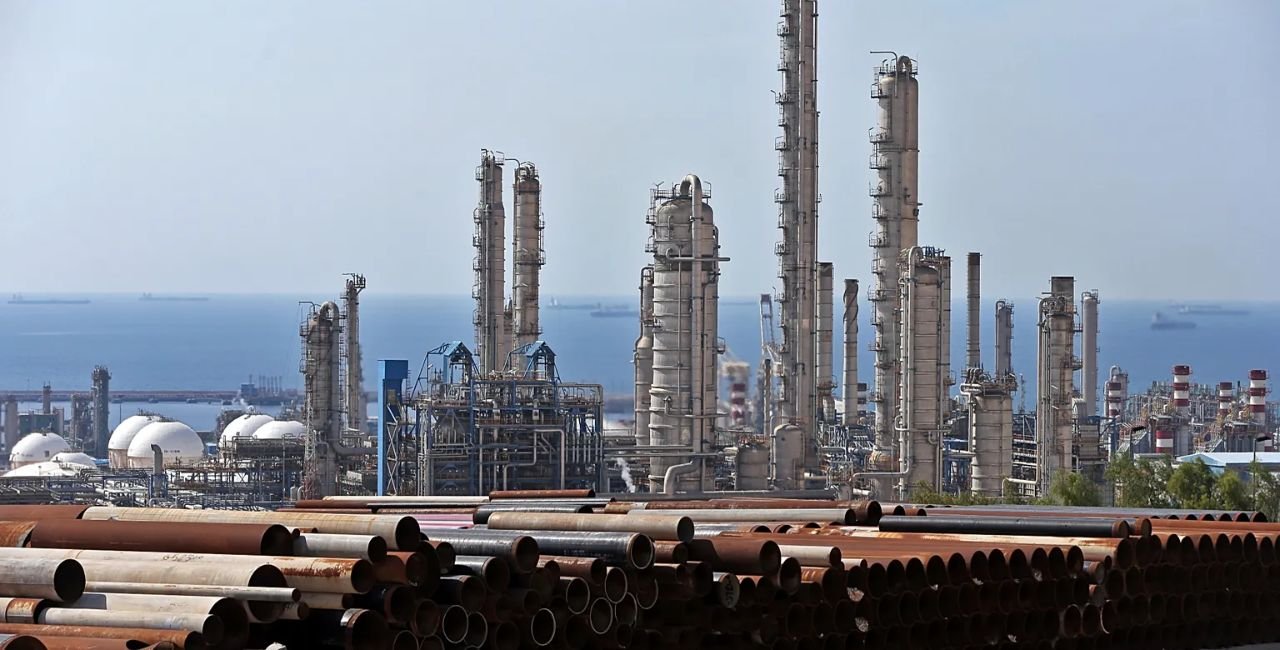
On one side lies Iran, while the southern coast belongs to Oman and the United Arab Emirates. The waters are deep enough to accommodate the largest vessels, yet the confined space leaves little room for error or alternative routes. Approximately 20 percent of global petroleum liquids and a significant share of liquefied natural gas transit here daily under normal conditions, making it one of the most critical energy arteries worldwide.
This importance stems from the concentration of hydrocarbon resources in the Persian Gulf area. Countries such as Saudi Arabia, Iraq, Kuwait, the United Arab Emirates, Qatar, and Iran depend heavily on this route for their exports. Disruptions here ripple across continents, affecting everything from fuel prices at local pumps to industrial operations in distant manufacturing hubs. The strategic value also extends to military considerations, as control over the strait influences regional power dynamics and international trade security.
Experts often describe it as a global oil chokepoint because bypassing it requires costly and time-consuming alternatives, such as pipelines that cannot fully replace sea transport. In times of heightened alert, even minor incidents can lead to insurance hikes, rerouting delays, and market volatility. The geography thus amplifies the impact of any maritime tensions in the Gulf, turning a narrow waterway into a barometer for broader stability.
Historical Background of Regional Challenges
Tensions around this vital passage trace back through centuries of maritime trade, but modern concerns intensified with the discovery and export of oil in the 20th century. Historical records show the area has long facilitated commerce between civilizations, yet the advent of petroleum transformed it into a high-stakes corridor.
In the 1980s, during the Iran-Iraq War, the so-called Tanker War saw attacks on commercial vessels, highlighting vulnerabilities even then. Later decades brought sporadic incidents, including seizures and threats that underscored the strait’s sensitivity to political shifts. These events demonstrated how local disputes could escalate into international issues, prompting naval patrols and diplomatic interventions by various powers.
By the 2010s and early 2020s, concerns persisted through episodes of heightened alerts, drone incidents, and seizures that tested international norms on freedom of navigation. Each episode reinforced the need for robust maritime security frameworks. Lessons from the past emphasize that sustainable resolutions require inclusive dialogue among all stakeholders, respecting sovereignty while upholding global trade principles.
The pattern reveals a recurring cycle: political friction leads to maritime posturing, which in turn affects energy prices and investor confidence. Over time, nations have invested in diversification strategies, yet the strait’s unique position means it remains indispensable. Historical analysis helps contextualize current developments, showing that while technology and alliances evolve, the fundamental geography endures as a constant factor in Persian Gulf security.
Understanding this timeline fosters appreciation for the delicate balance required to prevent escalation. Past experiences inform present policies, encouraging proactive measures like joint exercises, intelligence sharing, and confidence-building initiatives among neighboring states and global partners.
Recent Developments and the 2026 Escalation
As 2026 unfolded, the Strait of Hormuz tension reached new levels amid broader regional conflict. Following military actions in late February, shipping traffic slowed dramatically as concerns over safety mounted. By early March, declarations regarding restricted passage led to a sharp decline in transits, with reports of threats, mine-laying activities, and isolated vessel incidents.
International observers noted reduced crossings, prompting urgent responses from major powers. Efforts to form coalitions gained momentum, with multiple nations advocating for the reopening of safe navigation routes. Statements emphasized the collective interest in protecting commercial shipping and preventing wider economic fallout.
Diplomatic channels remained active, with calls for de-escalation and adherence to international maritime law. Reports highlighted increased insurance costs and rerouting considerations, while some producers explored alternative pathways where feasible. The situation evolved daily, with updates on naval activities, political statements, and market reactions underscoring the interconnected nature of energy security and regional peace.
This phase of maritime tensions in the Gulf illustrates how swiftly events can shift from localized concerns to global priorities. Monitoring bodies and news outlets provided timely insights, helping stakeholders assess risks and plan accordingly. The focus stayed on restoring normal operations through coordinated international support rather than unilateral actions.
Economic and Energy Market Implications
The economic consequences of disruptions in this area extend far beyond immediate price spikes. Global oil markets react quickly to any perceived threat, with futures contracts reflecting anticipated supply constraints. Higher energy costs influence transportation, manufacturing, agriculture, and household budgets worldwide.
For importing nations in Asia and Europe, reliance on these flows means potential shortages or elevated expenses that could slow growth. Exporting countries face revenue uncertainties if tankers delay or divert. The ripple effects touch supply chains for fertilizers, chemicals, and consumer goods, as energy underpins nearly every sector.
Analysts project that prolonged restrictions could push prices into ranges that strain economies already recovering from previous shocks. Diversification efforts, including renewable investments and strategic reserves, offer partial buffers, yet the scale of daily volumes through the strait makes full substitution challenging in the short term.
Businesses adjust by securing alternative suppliers or hedging contracts, while governments coordinate release of stockpiles where appropriate. The broader lesson is the value of resilient infrastructure and diversified energy sources to mitigate risks from any single chokepoint. Long-term, these events may accelerate transitions toward sustainable alternatives, benefiting both environmental goals and security considerations.
Yet in the immediate term, the priority remains stabilizing flows to support livelihoods and industrial continuity. Coordinated responses among producers, consumers, and transit nations prove essential for minimizing disruptions and restoring confidence.
Geopolitical Dimensions and Key Stakeholders
Multiple parties hold stakes in the resolution of these maritime tensions in the Gulf. Regional actors balance security needs with economic interdependence, while global powers emphasize freedom of navigation as a core principle.
Iran maintains significant presence along the northern coast, influencing oversight of nearby waters. Gulf Cooperation Council members prioritize safe export routes for their resources. International allies, including the United States and European partners, have expressed readiness to support secure passage through diplomatic and operational means.
Broader involvement from Asian economies, particularly major importers, adds layers to the dialogue. China and India, for instance, monitor developments closely due to their energy requirements. Multilateral forums provide platforms for discussion, encouraging adherence to established conventions on maritime rights.
The interplay of interests highlights the need for balanced approaches that respect sovereignty while safeguarding collective benefits. Track-two diplomacy, expert dialogues, and confidence-building measures contribute to reducing misunderstandings and building trust over time.
International Responses and Coalition Efforts
In response to the challenges, a growing number of nations have collaborated on initiatives to promote stability. Joint statements call for cessation of activities that endanger commercial vessels and urge reopening of the passage. Naval coordination and escort proposals aim to reassure ship operators and insurers.
Diplomatic engagements focus on mediation and de-escalation pathways. Humanitarian and economic considerations receive attention alongside security matters, recognizing the shared interest in regional calm. Organizations and alliances facilitate information exchange and contingency planning.
These efforts demonstrate the value of multilateralism in addressing complex maritime issues. By pooling resources and expertise, participants enhance deterrence against disruptions while keeping communication channels open. Success depends on sustained commitment and mutual respect among all involved.
Environmental Considerations and Maritime Safety
Beyond economics and politics, environmental factors warrant attention. Any incident in confined waters risks pollution from oil spills or damage to marine ecosystems. The area’s biodiversity and fisheries support local communities, making protection a shared responsibility.
Safety protocols for navigation remain paramount. Traffic separation schemes, real-time monitoring, and emergency response plans help minimize accidents. Advances in technology, such as satellite tracking and improved communication, bolster these safeguards.
Stakeholders advocate for environmental impact assessments in any operational planning, ensuring that security measures align with sustainable practices. This holistic view strengthens long-term resilience for the strait and surrounding regions.
Future Outlook and Pathways to Stability
Looking ahead, several scenarios emerge depending on diplomatic progress. Optimistic paths involve negotiated agreements that restore full transit while addressing underlying concerns. Pessimistic views highlight prolonged volatility if mistrust persists.
Key to positive outcomes are inclusive talks that incorporate economic incentives, security guarantees, and verification mechanisms. Investment in alternative routes, storage facilities, and renewable energy can reduce future vulnerabilities.
Regional integration initiatives may foster greater cooperation, turning potential flashpoints into areas of collaboration. Global support for such efforts, through technical assistance and capacity building, enhances prospects for enduring peace.
The coming months will test the resolve of leaders to prioritize dialogue over confrontation. Public awareness and informed advocacy can encourage policies that serve the common good.
Conclusion
The Strait of Hormuz tension in 2026 serves as a reminder of the interconnected world we inhabit, where geography, energy, and politics converge with far-reaching consequences. Through careful analysis of historical patterns, current realities, and potential futures, it becomes clear that sustainable solutions lie in cooperation, respect for international norms, and forward-thinking strategies.
By focusing on Persian Gulf security and addressing maritime tensions in the Gulf constructively, nations can safeguard global oil chokepoint stability for generations to come. Continued engagement, transparency, and shared commitment to peaceful navigation will help transform challenges into opportunities for stronger international partnerships. The path forward demands patience, wisdom, and collective action to ensure prosperity and security for all.