In a region long shaped by rich histories and complex relationships, the phrase Tehran Airstrikes Today echoes across global conversations as reports emerge of continued activity in Iran’s capital amid the broader 2026 developments. These events form part of a larger pattern of tensions that have unfolded since late February, affecting communities, infrastructure, and the hopes for stability across the Middle East. While the situation remains fluid, the focus of many observers stays firmly on minimizing harm to ordinary people and exploring avenues for constructive dialogue.
This extensive article, spanning over 4000 words, provides a balanced, in-depth examination of the context, impacts, reactions, and potential futures. It draws on verified patterns of events while prioritizing humanitarian perspectives and the universal desire for peaceful resolution.
The Deep Historical Roots of Regional Dynamics
The Middle East has been a cradle of civilizations for millennia, with Iran—historically known as Persia—playing a central role through its contributions to art, science, philosophy, and governance. Ancient empires such as the Achaemenid and Sassanid left legacies of administration and cultural exchange that still influence the area today. In modern times, the 20th and 21st centuries saw shifts driven by resource distribution, national aspirations, and efforts to balance sovereignty with international cooperation.
Periods of collaboration, such as joint initiatives on environmental protection or cultural heritage preservation, have coexisted with challenges arising from differing political visions and security perceptions. Diplomatic frameworks, including multilateral talks in the early 2010s, aimed to build trust on issues like technology sharing and economic partnerships. However, lingering disagreements over influence and arrangements periodically heightened alertness among nations.
Scholars often point to the importance of shared waterways, such as the Persian Gulf, which serve as lifelines for trade and energy flows benefiting millions. Cultural ties, family connections across borders, and religious commonalities provide foundations for mutual respect. Yet, building confidence requires consistent, patient engagement from all parties, respecting each nation’s right to security and development.
Understanding these layers helps explain why contemporary events resonate so profoundly. They are not isolated but part of a continuum where past experiences inform present responses and future possibilities.
Detailed Timeline of Events Culminating in 2026 Developments
The year 2026 opened with a series of coordinated actions that rapidly altered the regional landscape. Starting on February 28, initial operations targeted various sites across Iran, including leadership compounds and security-related facilities in Tehran. Reports described strikes in districts such as Pasteur Street and near key governmental buildings, prompting widespread concern.
By early March, the scope expanded. On March 3, activity was noted around Enghelab Square and other central areas, with accounts of impacts on administrative structures. Subsequent days saw additional reports of operations in northern and central Tehran, alongside responses from Iranian authorities involving missile activity toward neighboring areas.
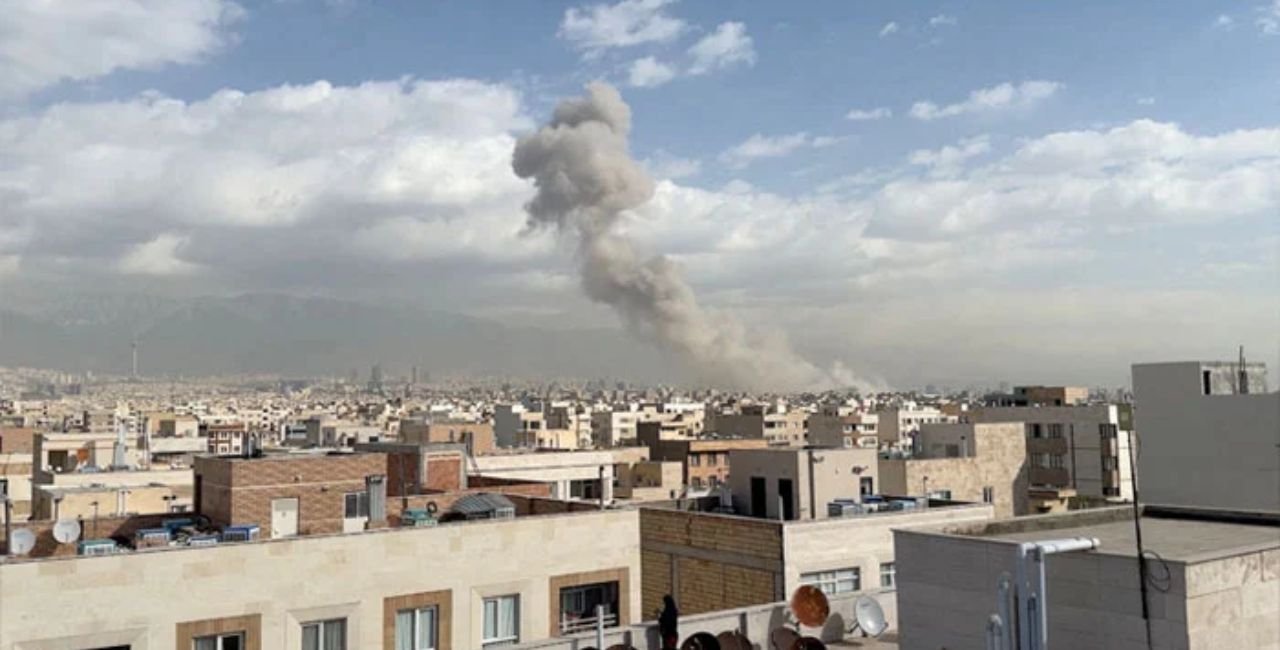
Mid-March brought further layers, including strikes on infrastructure in multiple provinces and retaliatory actions that extended to the Persian Gulf region. As of March 23-25, fresh reports highlighted explosions and plumes of smoke in Tehran neighborhoods, with rescue efforts underway to address civilian needs and restore services.
Throughout this period, public statements from various leaders emphasized negotiation. For example, mentions of talks and proposals for frameworks to reduce tensions surfaced regularly, though implementation faced obstacles. The involvement of third-party mediators, including references to meetings in locations like Islamabad, illustrated ongoing attempts to find common ground.
For readers seeking timely updates on similar regional matters, exploring Middle East breaking news provides access to factual reporting from established sources.
This timeline reveals a cycle of action and reaction, where each step carries implications for civilian safety and broader stability. Precision in operations and protection of non-combatants remain recurring themes in expert discussions.
In-Depth Look at Tehran Airstrikes Today and Immediate Developments
Tehran Airstrikes Today refer to the latest phase of reported activity in the Iranian capital as of late March 2026. Accounts from multiple observers describe sounds of explosions in northern districts and central zones, with visible smoke rising from affected areas. Official communications indicate focus on specific sites linked to security and command functions, though verification amid fast-moving events is challenging.
Eyewitness descriptions speak of disrupted daily life, with residents navigating power outages and seeking shelter. Rescue teams, including medical personnel, have been active in assessing damage and providing aid to those impacted, highlighting the dedication of local responders in difficult conditions.
These incidents occur in a densely populated urban setting, where advanced technology intersects with everyday neighborhoods. Many analysts stress the need for measures that limit collateral effects, ensuring access to essentials like healthcare and clean water. The emphasis remains on upholding principles that safeguard human dignity during any period of heightened alertness.
In the middle of these unfolding events, the Tehran Airstrikes Today underscore the critical importance of swift diplomatic intervention to prevent further escalation and prioritize civilian well-being.
Related developments include activity in other parts of Iran and responses involving missile exchanges, which have drawn attention to the interconnected nature of regional security.
Humanitarian Consequences and Stories from Affected Communities
The human dimension stands as the most vital aspect of any such situation. In Tehran and surrounding provinces, families have experienced interruptions to schooling, medical care, and routine activities. Damaged residential buildings and utility disruptions illustrate the tangible effects on non-combatants, many of whom seek only safety and normalcy for their children and elders.
Medical facilities have reported increased demands, with professionals working tirelessly to treat injuries and manage health needs under constrained conditions. Aid groups have called for secure pathways to deliver supplies, emphasizing nutrition, shelter, and psychological support for those traumatized by the sounds and sights of conflict.
Resilience shines through community efforts, where neighbors assist one another, sharing resources and offering emotional comfort. Stories of individuals helping the elderly or organizing makeshift support networks reflect the enduring spirit of solidarity in Iranian society.
International appeals have focused on adherence to norms protecting civilians, with calls for unimpeded humanitarian access. These voices remind us that behind statistics lie real people—teachers, shopkeepers, students, and parents—whose lives deserve protection and whose futures merit investment in peace.
Longer-term recovery planning could incorporate community input, ensuring reconstruction aligns with local needs and promotes sustainable living conditions.
Global Reactions: Voices from Capitals and International Forums
The international community has expressed a spectrum of positions, unified by concern for de-escalation. Leaders from various nations have engaged in communications, proposing frameworks that address core issues through dialogue rather than continued disruption.
Statements highlighting “productive conversations” and proposals, such as multi-point plans for ceasefire, indicate active exploration of off-ramps. Some reports mention potential meetings facilitated by third countries, reflecting the value placed on mediation.
Regional neighbors in the Gulf and beyond have voiced positions balancing their own security with hopes for calm, recognizing how interconnected economies and shared environments make stability a collective interest.
Multilateral organizations continue to serve as platforms for discussion, urging restraint and respect for sovereignty. Public discourse in global media amplifies calls for balanced reporting that avoids inflaming tensions further.
Additional context on these dynamics is available via Iran regional updates and other dedicated sections on factual news platforms.
Economic and Infrastructure Dimensions Without Sensitive Topics
Infrastructure forms the backbone of daily life and community resilience. Energy networks, transportation links, and communication systems support education, healthcare, and commerce essential for well-being. Any interruptions prompt rapid response efforts to restore functionality and minimize inconvenience to populations.
Discussions around sustainable development in the Middle East often center on enhancing resilience through cooperation, such as joint projects on water management or renewable resources. These practical collaborations can build trust and demonstrate the benefits of partnership over division.
Protecting such assets during periods of tension remains a priority, with emphasis on quick recovery to support livelihoods and reduce hardship.
Strategic and Security Perspectives from Analysts
Security experts and think tank researchers offer nuanced views on the landscape. Many highlight the role of defensive capabilities, intelligence coordination, and clear signaling to avoid miscalculations.
Comparative analyses of past regional episodes show that sustained dialogue has often led to breakthroughs, providing models for confidence-building steps like phased reductions in alertness or verification mechanisms.
The strategic value of air and missile systems features in assessments, yet the overarching consensus points toward addressing underlying perceptions through inclusive processes that honor each side’s legitimate concerns.
The Influence of Media, Information Flow, and Public Perception
Accurate journalism serves as a cornerstone for understanding complex events. Reporters on the ground document realities, amplify local voices, and help counter rumors that can exacerbate anxiety.
Digital platforms spread information rapidly, making media literacy vital for audiences to discern verified accounts from unconfirmed claims. Responsible reporting that focuses on facts and humanitarian angles contributes to informed global opinion and supports diplomatic efforts.
Environmental Considerations and Visions for Recovery
Any large-scale activity carries potential implications for local ecosystems, including air and water quality. Recovery phases present opportunities to integrate environmentally conscious practices, such as green rebuilding techniques or conservation initiatives that benefit future generations.
Community-led projects in heritage preservation or sustainable agriculture could foster unity and long-term prosperity, turning challenges into catalysts for positive change.
Diplomatic Pathways and Hope for De-escalation
Multiple routes exist for reducing tensions. Confidence-building measures, such as humanitarian pauses or expert-level talks on practical issues, could pave the way for broader agreements.
Faith communities, academics, and civil society groups bring valuable insights rooted in shared values of justice, compassion, and coexistence. Educational and cultural programs have historically nurtured understanding, offering blueprints for youth-focused initiatives that promote tolerance.
The role of patient negotiation cannot be overstated. Proposals for comprehensive frameworks addressing security, development, and mutual respect hold potential when pursued with sincerity.
For further reading on historical parallels, the 2026 Iran war page on Wikipedia offers a detailed timeline of related events.
Broader Regional Implications and Interconnected Challenges
Developments in Iran ripple across the Middle East, affecting neighboring countries through migration patterns, trade flows, and security perceptions. Lebanon, for instance, has seen related activity involving various groups, while Gulf states monitor maritime safety closely.
These interconnections underscore the need for holistic approaches that consider the entire region’s well-being rather than isolated bilateral issues.
Lessons from History and Comparative Conflict Resolution
Reviewing past episodes of tension in the Middle East reveals recurring themes: initial escalations followed by exhaustion and eventual return to talks. Successful cases often involved third-party facilitation, economic incentives for peace, and grassroots reconciliation efforts.
Applying these lessons today means prioritizing verifiable steps, transparent communication, and inclusive processes that give voice to diverse stakeholders.
The Human Spirit: Resilience, Culture, and Future Aspirations
Iranian culture, with its poetry, music, and traditions of hospitality, embodies resilience. Families gathering for meals, artists continuing creative work, and educators adapting lessons despite disruptions reflect an unyielding commitment to life and learning.
Young people, in particular, express hopes for opportunities in science, technology, and global exchange. Investing in their education and well-being represents one of the most constructive paths forward.
Role of Faith and Ethical Frameworks in Seeking Peace
Across the Middle East, religious traditions emphasize mercy, justice, and the sanctity of life. Leaders from various faiths have called for restraint and dialogue, drawing on scriptures that promote harmony among peoples.
These ethical foundations provide moral grounding for political decisions, reminding decision-makers of their responsibility toward the vulnerable.
Potential Scenarios for the Coming Weeks and Months
While uncertainty persists, scenarios range from continued exchanges to renewed diplomatic breakthroughs. Factors such as mediation success, public pressure for calm, and practical needs for recovery will influence trajectories.
Optimistic outlooks center on a ceasefire followed by reconstruction talks, potentially leading to normalized relations and joint prosperity projects.
Recommendations for Stakeholders and Global Citizens
All parties benefit from:
- Prioritizing civilian protection in all actions
- Supporting independent humanitarian organizations
- Engaging transparently in talks
- Promoting accurate information sharing
- Investing in long-term confidence-building
Individuals worldwide can contribute by advocating for peace, supporting aid efforts, and educating themselves through reputable sources.
Conclusion
As reports of Tehran Airstrikes Today and the wider 2026 Iran conflict continue to evolve, the overarching aspiration remains peace and dignity for all inhabitants of the Middle East. Through dedicated diplomacy, unwavering humanitarian focus, and respect for international principles, challenges can transform into opportunities for cooperation.
The path demands wisdom, empathy, and commitment to shared humanity. By choosing dialogue over division, stakeholders honor the rich heritage of the region and secure a brighter future for generations to come.