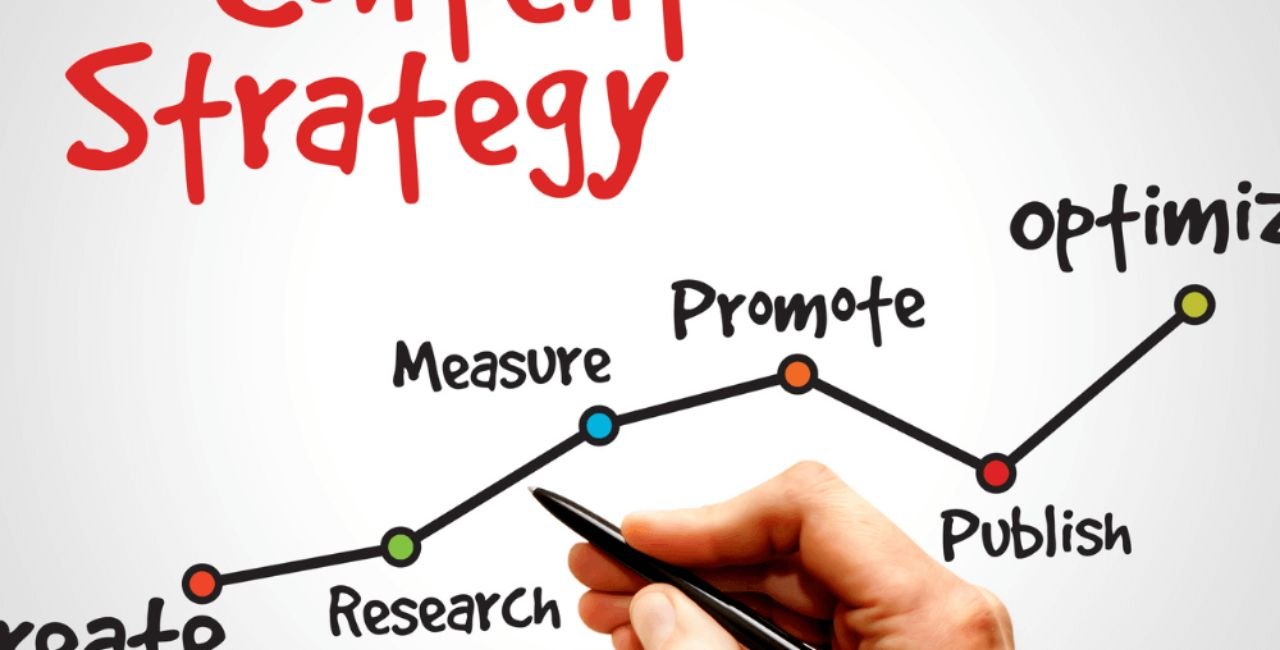
In today’s competitive digital landscape, businesses seek reliable ways to connect with audiences meaningfully. A well-crafted content marketing strategy serves as the foundation for attracting, engaging, and retaining customers through valuable, relevant information rather than direct promotion.
This approach focuses on delivering helpful insights that address customer needs, solve problems, and build long-term relationships. Related terms like content strategy planning, audience engagement tactics, and digital content optimization often complement it, creating a holistic framework for growth.
Content marketing emphasizes education, inspiration, and value creation. It aligns perfectly with ethical business practices that prioritize customer welfare and societal benefit. Companies using this method report stronger brand loyalty and organic reach compared to traditional advertising.
This extensive guide explores every aspect of developing and implementing a successful content marketing strategy. It provides practical steps, real-world examples, trends for 2026, and measurement techniques suitable for businesses of all sizes.
Understanding the Fundamentals of Content Marketing
Content marketing involves creating and distributing valuable, relevant, and consistent material to a clearly defined audience. The goal is to drive profitable customer action naturally.
Unlike traditional marketing that pushes messages, this strategy pulls people in by offering genuine help. It positions your brand as a trusted advisor in your field.
Key Benefits of a Strong Content Marketing Strategy
Research shows multiple advantages:
Increased Brand Awareness
Many marketers report significant visibility gains.
Lead Generation and Nurturing
Consistent content attracts potential customers and guides them through decision stages.
Cost Efficiency
It often costs less while generating more leads than outbound methods.
Customer Loyalty and Retention
Valuable content builds trust and encourages repeat engagement.
SEO and Organic Traffic
High-quality material improves search visibility.
Authority Building
Sharing expertise establishes your business as a leader.
Businesses with active blogs generate more leads monthly. Video and visual content further boost engagement.
Content Marketing vs. Traditional Marketing
Traditional marketing often relies on broad interruptions like ads. Content marketing builds relationships through ongoing value. It fosters community and dialogue, leading to higher trust levels.
Why Your Business Needs a Content Marketing Strategy Today
In an era of information overload, consumers ignore generic promotions. They seek solutions and stories that resonate with their values and challenges.
A strategic approach helps cut through noise. It supports ethical growth by focusing on genuine value rather than aggressive sales.
Explore digital marketing solutions for broader tactics that complement your efforts.
Step-by-Step Guide to Creating Your Content Marketing Strategy
Define Clear Goals and Objectives
Start with specific, measurable goals aligned with business objectives. Examples include increasing website traffic by 50%, generating qualified leads, or improving customer retention.
Align goals with broader aims like brand awareness or community building. Use the SMART framework (Specific, Measurable, Achievable, Relevant, Time-bound).
Know Your Audience Deeply
Develop detailed buyer personas. Consider demographics, challenges, preferences, values, and content consumption habits.
Conduct surveys, interviews, and analyze data from website analytics and social platforms. Understand pain points and aspirations to create resonant material.
Audience engagement tactics become crucial here for tailoring messages effectively.
Conduct a Content Audit
Review existing materials. Identify high-performing pieces, gaps, and outdated content. This reveals strengths and opportunities for improvement.
Research Topics and Keywords
Identify topics your audience cares about. Use tools for search volume and competition analysis. Focus on questions and problems people actively seek answers for.
Incorporate related keywords like content strategy planning and digital content optimization naturally.
Choose Content Types and Formats
Diversify formats.
- Blog posts and articles
- Videos and webinars
- Infographics and visual summaries
- E-books and guides
- Podcasts and audio content
- Case studies and success stories
- Newsletters
Match formats to audience preferences and platform strengths. Video content performs particularly well.
Develop an Editorial Calendar
Plan content in advance. Include topics, formats, publication dates, responsible team members, and distribution channels. This ensures consistency.
Plan Distribution and Promotion
Create content isn’t enough—promote it through email, social media, partnerships, and communities. Build an owned audience via newsletters.
Learn more about product marketing strategy for effective promotion ideas.
Content Creation Best Practices for Quality and Impact
Focus on originality, usefulness, and ethical standards. Produce material that educates without misleading.
Principles of High-Quality Content
- Value-First Approach: Solve real problems.
- Authenticity: Share genuine stories and insights.
- Clarity and Readability: Use simple language, short paragraphs, and visuals.
- SEO Optimization: Include relevant keywords naturally while prioritizing reader experience.
- Visual Appeal: Enhance with images, infographics, and formatting.
Repurpose successful content across formats to maximize reach.
Implementing and Executing Your Strategy
Building a Content Team or Workflow
Define roles: writers, editors, designers, analysts. For smaller teams, outsource selectively while maintaining quality control.
Tools and Resources
Use project management tools, content management systems, analytics platforms, and design software. Focus on ethical, privacy-respecting options.
For foundational knowledge, refer to the Content marketing entry on Wikipedia.
Measuring Success and Analyzing Performance
Track key metrics:
- Traffic and engagement (page views, time on page, bounce rate)
- Conversion rates and leads
- Social shares and comments
- Search rankings
- Brand sentiment
Use tools like Google Analytics. Regularly review data to refine your approach. Connect content efforts to business outcomes like revenue influence.
Optimization Techniques
A/B test headlines, formats, and calls-to-action. Update evergreen content periodically.
Advanced Content Marketing Strategy Elements
Storytelling and Emotional Connection
Share narratives that inspire and relate to audience values. Authentic stories build deeper bonds.
Community Building
Foster discussions and user-generated content. Encourage participation for stronger loyalty.
Integration with Other Channels
Align with email marketing, social media, and overall digital efforts for cohesive experiences.
Check market research insights for data-driven decisions.
Content Marketing Trends for 2026 and Beyond
The landscape evolves rapidly with technology and audience expectations.
AI-Assisted Creation and Personalization
AI helps brainstorm, draft, and optimize while humans provide creativity and ethics. Hyper-personalization delivers relevant experiences at scale without compromising privacy.
Video and Multimedia Dominance
Short and long-form videos, interactive content, and immersive formats gain prominence.
Focus on Trust and Authenticity
Audiences value transparency. Original research, expert insights, and honest perspectives differentiate brands.
Sustainability and Ethical Practices
Content highlighting positive societal impact resonates with conscious consumers.
Voice Search and Conversational Content
Optimize for natural language queries and voice assistants.
Digital content optimization incorporates these trends for future-proofing.
Common Challenges and How to Overcome Them
- Consistency: Use calendars and batch creation.
- Resource Limitations: Start small, focus on high-impact pieces, and repurpose.
- Measurement Complexity: Define clear KPIs from the start.
- Algorithm Changes: Prioritize quality and audience needs over tactics.
- Competition: Specialize in niche expertise.
Patience and iteration lead to long-term results.
Case Studies and Real-World Examples
Many businesses succeed through consistent value delivery. Educational brands share knowledge that helps students and professionals. Service providers offer guides solving common issues. Retailers create helpful buying advice and lifestyle content.
These examples show how strategy leads to organic growth and loyalty.
Future Outlook: Building a Resilient Content Marketing Strategy
In 2026, success comes from blending technology with human insight. Focus on:
- Ethical AI use
- First-party relationships
- Multi-format experiences
- Continuous learning and adaptation
A robust strategy becomes a competitive advantage supporting sustainable growth.
Conclusion
Developing and refining a content marketing strategy requires dedication, but rewards include stronger relationships, better visibility, and ethical business expansion.
Begin with clear goals, deep audience understanding, and commitment to value. Stay consistent, measure results, and adapt to changes. Your efforts will build a trusted brand that thrives.
Implement these principles step by step. Review progress regularly and celebrate milestones. With the right approach, content becomes a powerful engine for positive impact and long-term success.