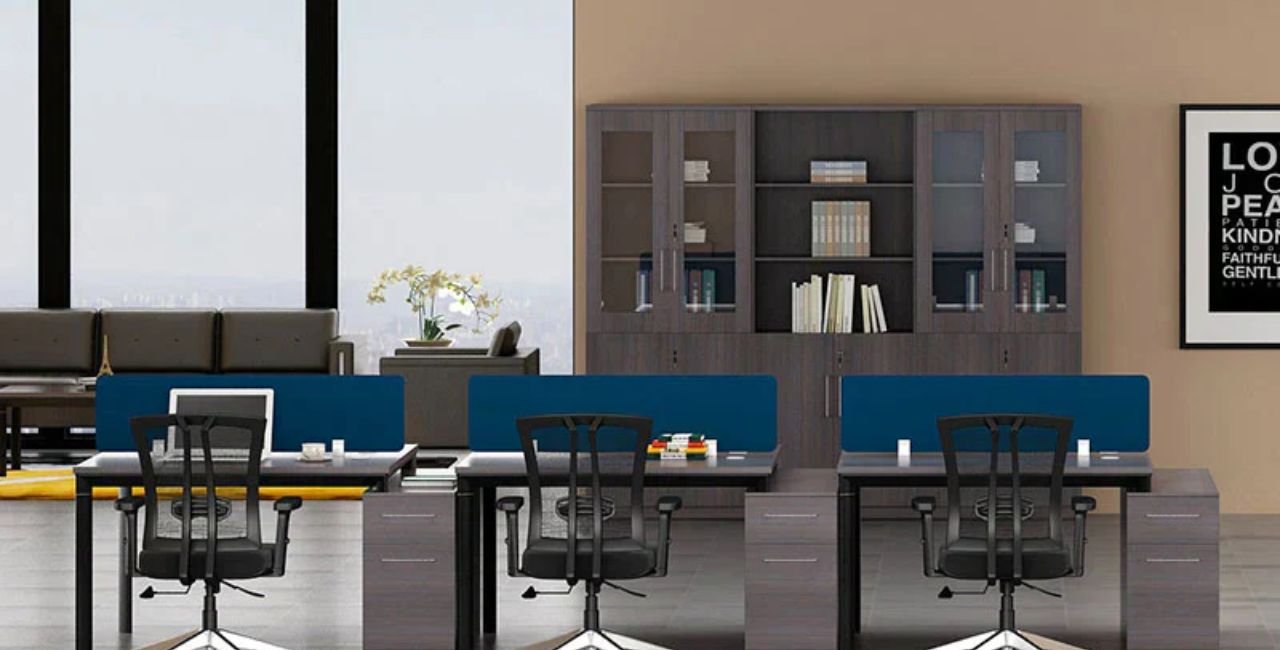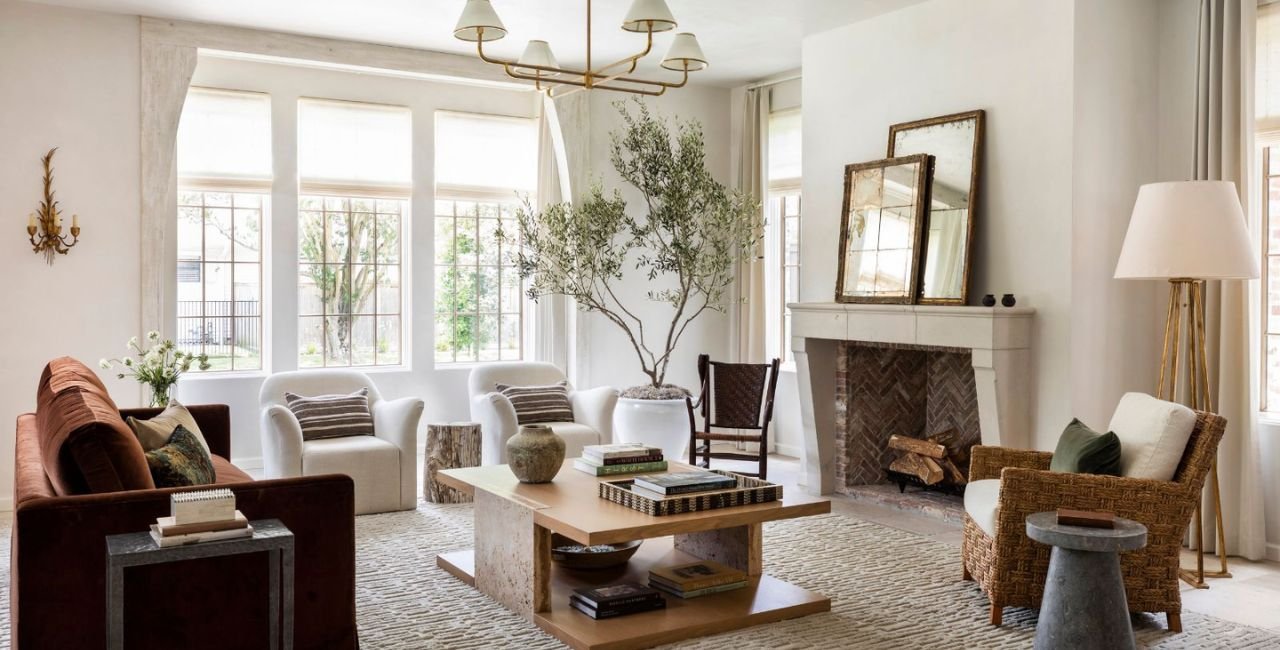
In today’s world of interior design, modern wooden furniture designs stand out as a perfect blend of beauty, practicality, and respect for nature. These creations bring warmth and character to any space while offering lasting value that families can cherish for generations. Whether you are refreshing a living room or designing a peaceful bedroom, choosing pieces crafted from quality wood helps create environments that feel both stylish and welcoming.
The Evolution of Wooden Furniture: From Tradition to Contemporary Innovation
Wooden furniture has a rich history that spans centuries, evolving from simple handcrafted items in ancient civilizations to the sophisticated, functional pieces we see today. Early designs focused on utility, using locally available timber to build sturdy tables, chairs, and storage solutions. As societies advanced, artisans began incorporating intricate carvings and decorative elements, reflecting cultural values and artistic expression.
The transition to modern wooden furniture designs began in the mid-20th century with movements like Scandinavian and mid-century modern, emphasizing clean lines, minimal ornamentation, and the natural beauty of wood grain. Today, designers draw inspiration from these roots while integrating advanced techniques such as CNC machining for precision and sustainable sourcing practices. This evolution ensures that wood remains relevant, adapting to smaller urban living spaces and the growing demand for eco-conscious choices.
In many cultures, including those in South Asia, wooden furniture carries deep significance, symbolizing stability and heritage. Families in regions like Punjab often pass down solid wood pieces as heirlooms, blending tradition with contemporary needs. This historical foundation gives modern designs their enduring appeal, allowing homeowners to connect past craftsmanship with present-day lifestyles.
Why Choose Modern Wooden Furniture Designs? Key Benefits
Selecting modern wooden furniture designs offers numerous advantages that go beyond aesthetics. First, wood is exceptionally durable. High-quality pieces can withstand daily use for decades, resisting wear better than many synthetic alternatives when properly maintained. This longevity makes them a wise investment for busy households.
Second, wood contributes to healthier indoor environments. Studies show that surroundings rich in natural timber can help reduce stress levels and promote a sense of calm. The organic textures and warm tones create a soothing atmosphere, ideal for family gatherings or quiet relaxation moments.
Third, versatility is a standout feature. Modern wooden furniture designs adapt seamlessly to various interior styles—from minimalist apartments to spacious family homes. You can pair light oak with neutral tones for a fresh look or opt for rich walnut to add depth and sophistication.
Additionally, these designs support sustainability. Responsibly sourced wood is renewable and biodegradable, unlike plastic or metal options that contribute to long-term waste. Many contemporary makers prioritize FSC-certified timber, ensuring forests are managed ethically.
Finally, the timeless quality of wood means your furniture will never feel outdated. Unlike fleeting trends in other materials, well-designed wooden pieces age gracefully, developing a beautiful patina that tells a story of use and care.
Popular Materials Used in Contemporary Wood Furniture
The choice of wood significantly influences the final look and performance of modern wooden furniture designs. Oak remains a favorite for its strength and distinctive grain patterns. White oak offers a lighter, more contemporary feel, while red oak provides warmer undertones suitable for cozy spaces.
Walnut stands out for its deep, luxurious color and smooth texture. It works beautifully in minimalist settings where the natural richness becomes the focal point. Teak, known for its natural oils, excels in both indoor and outdoor applications due to its resistance to moisture and insects.
Maple and ash provide lighter options with subtle grains, perfect for bright, airy rooms. For those seeking unique character, reclaimed wood from old structures adds history and eco-credentials to new designs. Each species brings its own personality, allowing designers to create pieces that complement specific room palettes and lighting conditions.
Bamboo, technically a fast-growing grass, also gains popularity as a sustainable alternative in modern collections. Its rapid renewability and natural strength make it ideal for lighter frames and accents.
Trending Styles and Features in 2026
As we move through 2026, several exciting directions shape modern wooden furniture designs. Warm, dark wood tones like deep walnut and smoked oak dominate, bringing a sense of grounded elegance. Visible grain and natural imperfections are celebrated rather than hidden, adding authenticity and character to every surface.
Curved and sculptural forms are rising in popularity. Rounded edges on dining tables, sideboards, and lounge chairs soften spaces and invite movement, creating a more organic flow. This trend moves away from sharp angles toward furniture that feels welcoming and artistic.
Mixing wood tones within the same room has become a signature look. Homeowners now confidently combine light and dark woods, or pair smooth finishes with textured grains, to build layered, interesting interiors. This approach prevents monotony and highlights the natural diversity of timber.
Japandi-inspired designs continue to evolve, incorporating deeper neutrals and richer textures while maintaining clean lines. Handcrafted elements, such as live-edge slabs and artisanal joinery, add a personal touch that mass-produced items cannot replicate.
Sustainability remains central. Many collections feature modular systems that adapt to changing needs, reducing the need for frequent replacements. Innovative finishes, including low-VOC oils and water-based lacquers, enhance beauty while protecting health and the environment.
In the heart of these developments, modern wooden furniture designs continue to redefine how we live, offering solutions that are as practical as they are inspiring. Whether through bold statement pieces or subtle accents, the focus stays on creating homes that nurture connection and comfort.
Room-by-Room Inspiration for Modern Wooden Furniture
Living Room
A well-chosen wooden coffee table or media console anchors the space. Opt for pieces with integrated storage to keep areas tidy. Sofas with wooden frames and modular sections allow flexibility for family entertaining. Accent chairs in sculptural wood designs add visual interest without overwhelming the room.
Bedroom
Wooden bed frames with clean headboards promote restful sleep. Nightstands and dressers in matching tones create harmony. Built-in wardrobes with natural wood finishes maximize space while maintaining a serene atmosphere. Consider a wooden bench at the foot of the bed for added functionality and style.
Dining Area
Extendable dining tables in solid wood accommodate gatherings of all sizes. Pair them with chairs featuring ergonomic wooden seats and backs for comfort during long meals. Sideboards provide elegant storage for dinnerware, keeping the area organized and inviting.
Kitchen and Home Office
Wooden cabinetry and counter accents bring warmth to functional spaces. Desks with ample surface area and cable management support productive workdays. Bar stools or breakfast nooks in wood enhance daily routines.
Outdoor Spaces
Teak or acacia pieces withstand weather while maintaining beauty. Benches and dining sets encourage outdoor family time in gardens or balconies.
Sustainable Practices in Wooden Furniture Creation
Sustainability is no longer an afterthought in modern wooden furniture designs. Responsible forestry ensures that new trees replace those harvested, preserving ecosystems for future generations. Reclaimed and upcycled wood gives new life to materials that might otherwise end up in landfills.
Many makers now use energy-efficient production methods and non-toxic finishes. Modular construction allows parts to be repaired or replaced individually, extending the product lifecycle. Consumers can support these efforts by choosing brands transparent about their sourcing and manufacturing processes.
In regions like Pakistan, where traditional woodworking skills thrive, local artisans combine heritage techniques with sustainable methods, creating pieces that honor both culture and the environment. Supporting such craftsmanship helps preserve skills while promoting ethical practices.
Learn more about sustainable living ideas through thoughtful home choices here.
How to Select the Perfect Modern Wooden Furniture Pieces
Choosing the right items involves several considerations. Measure your space carefully to ensure proper fit and flow. Consider the existing color palette and lighting—darker woods suit brighter rooms, while lighter tones work well in smaller areas.
Evaluate quality by checking joinery methods. Dovetail or mortise-and-tenon connections indicate superior craftsmanship. Test stability and comfort in person whenever possible. Think about maintenance requirements; some finishes need occasional oiling, while others are more low-effort.
Budget wisely by investing in key pieces that will last longest. Start with versatile items like a dining table or sofa frame that can be reupholstered over time. Read reviews and ask about warranties to make informed decisions.
Maintenance and Care Tips for Long-Lasting Beauty
Proper care keeps wooden furniture looking its best. Dust regularly with a soft cloth and avoid harsh chemicals. Use coasters and placemats to protect surfaces from spills and heat.
For oil-finished pieces, apply natural wood oil every six to twelve months depending on usage and climate. Keep items away from direct sunlight and extreme humidity to prevent warping or fading.
Address minor scratches promptly with appropriate touch-up methods. Professional refinishing can restore older pieces to like-new condition when needed. With consistent attention, your investment will remain beautiful for decades.
Explore thoughtful approaches to modern family home arrangement for better daily living.
Famous Designers and Inspirational Examples
Influential figures in the field have shaped how we view wood today. Designers like those inspired by Scandinavian traditions emphasize simplicity and functionality, while contemporary creators experiment with organic forms and mixed materials.
Local and international studios showcase how wood can tell stories through unique grain patterns and hand-finished details. Visiting exhibitions or following design publications reveals fresh ideas that you can adapt to personal spaces.
The Future Outlook for Wooden Furniture
Looking ahead, technology will enhance customization options through digital design tools while preserving handcraft traditions. Smart integration, such as hidden charging ports or adjustable mechanisms, will combine seamlessly with natural aesthetics.
Biophilic design principles will grow stronger, encouraging more wood use to connect people with nature indoors. As awareness of environmental impact rises, demand for traceable, ethical furniture will continue to increase.
Conclusion
Modern wooden furniture designs offer more than beautiful objects—they create homes filled with warmth, durability, and meaning. By embracing natural materials, thoughtful craftsmanship, and sustainable values, you can transform everyday spaces into sanctuaries that support family life and personal well-being.
Whether you prefer bold contemporary statements or subtle timeless classics, the world of wooden furniture provides endless possibilities. Take time to explore options, consider your lifestyle needs, and invest in pieces that will enrich your home for years to come. The result will be a living environment that feels truly your own—elegant, functional, and deeply connected to the beauty of nature.