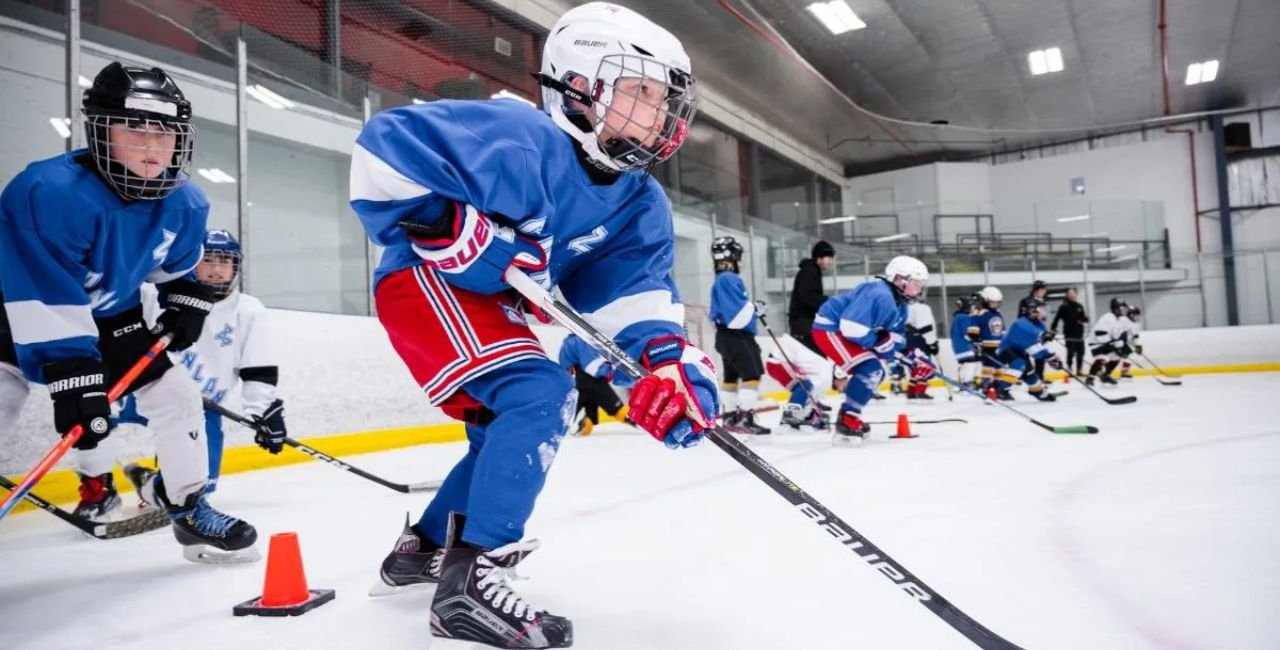
In the heart of the Midwest, where the winters bring crisp air and frozen surfaces perfect for skating, the chicago youth hockey forum has become an essential gathering place for families dedicated to nurturing young talent on the ice. This online community brings together parents, aspiring players, dedicated coaches, and hockey enthusiasts from across the Chicago area and beyond, creating a space for sharing knowledge, experiences, and encouragement while keeping the focus on positive development and wholesome fun.
The world of youth hockey in Chicago offers far more than just weekend games and practices. It builds character, promotes physical fitness, and creates lasting bonds within families and neighborhoods. From beginner learn-to-skate sessions to competitive travel teams, the scene thrives with opportunities that help children grow into confident, resilient individuals. Families often turn to dedicated discussion spaces like the chicago youth hockey forum to navigate everything from selecting the right league to understanding equipment needs and balancing school with sports.
This comprehensive guide explores every aspect of youth hockey in the Chicago region. Readers will discover the rich history, major leagues and clubs, key benefits for children, practical advice for parents, and the ways online communities enhance participation. By the end, families new to the sport or those seeking deeper involvement will feel equipped to make informed decisions that support their child’s journey.
The Rich History of Youth Hockey in Chicago
Youth hockey in Chicago traces its roots back to the mid-20th century, when outdoor rinks in parks and neighborhoods first hosted informal games. Organized programs gained momentum in the 1960s and 1970s, inspired by the success of the Chicago Blackhawks and the construction of indoor facilities that made the sport more accessible year-round. Early house leagues in suburbs like Elmhurst, Lake Forest, and Northbrook laid the foundation for what would become a structured, thriving ecosystem.
By the 1970s, the Amateur Hockey Association of Illinois (AHAI) emerged as a key organizing body, sanctioned by USA Hockey. This development coincided with a surge in indoor rinks, allowing more children to play regardless of weather. Clubs began forming in earnest, offering age-appropriate divisions from mites (under 8) to midgets (under 18). The growth reflected a broader national trend but carried a distinct Chicago flavor—emphasizing community, teamwork, and accessibility for families from diverse backgrounds.
Today, the legacy continues through nonprofit initiatives and professional partnerships. Programs like Hockey On Your Block, part of the NHL’s Hockey is for Everyone initiative, provide free equipment, ice time, and coaching to children ages 5-14 in the greater Chicago area. These efforts ensure that financial barriers do not prevent talented young athletes from participating. The chicago youth hockey forum often highlights such initiatives, helping families discover inclusive opportunities close to home.
The evolution from outdoor pickup games to organized leagues mirrors the city’s own growth. Chicago’s hockey community now boasts thousands of registered players across dozens of clubs. This history underscores a commitment to developing not just skilled skaters but well-rounded young people who value discipline, respect, and collaboration.
Major Leagues and Organizations Shaping Chicago Youth Hockey
Several prominent leagues form the backbone of competitive play in the region. The Northern Illinois Hockey League (NIHL) stands out for its focus on excellence, partnering closely with the Chicago Blackhawks to develop pathways for young players. It offers structured seasons with spring options and emphasizes skill-building in a supportive environment.
The Chicago United Hockey League (CUHL) caters specifically to younger players, particularly 8U mites, promoting fair, community-based competition among 33 clubs and over 1,400 participants. Its mission centers on nurturing growth in a balanced setting where fun and development take priority.
For more advanced travel teams, the Central States Developmental Hockey League (CSDHL) provides Tier II competition for squirts through midgets. Clubs like the Chicago Blues and Chicago Hawks compete here, offering high-level play while maintaining strong emphasis on sportsmanship.
Tier I AAA programs, such as the Chicago Mission, represent the pinnacle for elite talent. These teams consistently contend at national championships, providing top-tier coaching and exposure for players aiming for higher levels.
Additional organizations like the Chicago Stallions, Chicago Cougars (at the junior level), and Chicago Wolves youth programs round out the options. Each contributes unique strengths—whether through in-house house leagues, specialized training hubs, or partnerships with local rinks like Johnny’s Icehouse and Darien Sportsplex.
For families exploring these structures, the chicago youth hockey forum serves as a neutral ground for honest discussions about league fit, scheduling, and transitions between levels. Members share insights without naming individual children, maintaining a respectful atmosphere that prioritizes collective growth.
Families interested in broader youth sports facilities may enjoy our detailed guide to community recreation spaces, such as the Alden Bridge Sports Park The Woodlands complete overview of facilities and family activities. It highlights similar family-oriented environments that complement ice-based programs.
Prominent Youth Hockey Clubs and Programs in the Chicago Area
Chicago boasts an impressive array of clubs tailored to different skill levels and age groups. The Chicago Hawks Hockey Club, one of the largest in Illinois, operates out of facilities like the Garden Ice Arena and focuses on athletic development, personal growth, and sportsmanship for players across mites to midgets.
The Chicago Mission delivers premier Tier I AAA training, producing national contenders and college prospects through rigorous yet supportive coaching. Meanwhile, the Chicago Stallions participate in both CUHL and CSDHL, offering multiple divisions for mites and beyond.
Inclusive programs shine as well. Hockey On Your Block and the Little Blackhawks Learn to Play initiative (supported by the Chicago Blackhawks) remove financial hurdles by supplying full equipment and certified coaching. These efforts introduce thousands of children to the sport annually, fostering diversity on the ice.
Other notable clubs include the Chicago Blues, Chicago Bulldogs, Chicago Cougars, Huskies, Mammoth Hockey, and Vipers Hockey Club. Each maintains dedicated training staffs and emphasizes safe, progressive development. Rinks throughout the Chicagoland area—from American Heartland Ice Arena to Johnny’s Icehouse—host practices, games, and clinics year-round.
Parents frequently reference these clubs in online discussions, comparing philosophies on player progression, coach-to-player ratios, and family involvement. The variety ensures every child finds a suitable home, whether seeking recreational play or elite competition.
For ideas on multi-sport recreation that builds well-rounded athletes, explore our feature on Rancho Jurupa Regional Sports Park and its family-friendly fields and playgrounds.
The Transformative Benefits of Youth Hockey for Children and Families
Participating in youth hockey delivers profound physical, mental, and social advantages. On the physical side, the sport demands cardiovascular endurance, agility, balance, and full-body strength. Skating alone builds powerful leg muscles and core stability, while stickhandling and checking (at appropriate age levels) enhance coordination and reflexes. Regular practices and games help children maintain healthy weights, improve bone density, and develop lifelong fitness habits.
Mentally, hockey cultivates resilience, focus, and quick decision-making. Players learn to process information rapidly during fast-paced shifts, manage pressure in high-stakes moments, and bounce back from setbacks. These skills translate directly to academic performance and everyday challenges. Coaches often emphasize goal-setting and visualization techniques that boost confidence and mental toughness.
Socially, the sport excels at teaching teamwork, communication, and respect. Children form deep friendships across diverse backgrounds, learning to celebrate teammates’ successes and support one another through difficulties. Leadership opportunities arise naturally—captains, assistant roles, and peer mentoring all foster responsibility. Families report stronger bonds as they travel together for tournaments and cheer from the stands.
Character development stands as perhaps the greatest gift. Hockey instills values such as discipline, integrity, perseverance, and humility. Young athletes learn the importance of hard work, fair play, and accountability. Many programs incorporate life-skills sessions covering nutrition, time management, and community service, preparing participants for success beyond the rink.
For girls and young women, growing participation in programs like those from the Chicago Hawks or dedicated girls’ divisions opens doors to empowerment and equal opportunity. The sport promotes body positivity and confidence in a supportive female-led environment.
Overall, these benefits create well-rounded individuals who carry lessons from the ice into every facet of life.
How the Chicago Youth Hockey Forum Enhances Community Engagement and Support
Midway through exploring the Chicago hockey landscape, it becomes clear why dedicated online spaces like the chicago youth hockey forum prove invaluable. This platform functions as a trusted resource where participants exchange practical advice, celebrate achievements, and troubleshoot common challenges—all while adhering to guidelines that protect privacy and promote positivity.
Forum members discuss topics ranging from tryout preparation and equipment recommendations to travel logistics and injury prevention. New families receive guidance on age-appropriate divisions, understanding terms like “house league” versus “travel,” and selecting clubs aligned with their child’s goals and family schedule. Experienced parents share tournament recaps and insights into leagues such as NIHL or CSDHL without ever identifying specific young athletes by name.
The community also spotlights success stories—teams advancing to nationals, individual skill breakthroughs, and scholarship opportunities—while maintaining an encouraging tone. Coaches and administrators occasionally weigh in with general tips on best practices, helping elevate standards across the region.
Beyond discussions, the forum fosters real-world connections. Members organize informal skates, volunteer for local initiatives, and support charitable causes tied to youth sports. It serves as a bridge between clubs, rinks, and families, reducing isolation and building a unified hockey culture.
This collaborative spirit distinguishes the Chicago scene. Rather than isolated teams, participants view themselves as part of a larger ecosystem dedicated to the sport’s growth and the well-being of every child involved.
Those seeking additional ideas on family-oriented recreation can reference our article on Bouse Sports and Recreation Complex for baseball, softball, and community fun, which complements the community focus found in hockey networks.
Getting Started: A Step-by-Step Guide for New Families
Beginning a hockey journey can feel overwhelming, but structured steps simplify the process. First, assess your child’s interest and readiness. Many rinks offer introductory learn-to-skate and learn-to-play programs lasting 6-8 weeks, providing full equipment rentals and basic instruction.
Next, visit local facilities such as the Blackhawks Ice Center, Johnny’s Icehouse, or Darien Sportsplex for open houses and free evaluation skates. Speak with program directors about age groups and progression models—from in-house teams to travel squads.
Equipment represents a key early investment. Essential items include a helmet with full cage, shoulder pads, elbow pads, gloves, shin guards, hockey pants, skates, a stick, and a bag. Quality gear ensures safety and comfort; many clubs offer used-equipment swaps or rental programs for beginners.
Registering for a club involves tryouts or evaluations in late summer or early fall. Prepare by attending summer camps or clinics to build foundational skills. Budgeting should account for ice fees, travel, and league dues—though scholarship and fundraising options exist through many organizations.
Finally, connect with the broader community through forums and parent meetings. This support network eases the transition and maximizes enjoyment for the entire family.
Essential Equipment, Training Tips, and Safety Practices
Proper equipment protects young athletes while enhancing performance. Helmets must meet current safety standards, and skates should fit snugly to prevent blisters and provide ankle support. Regular maintenance—sharpening blades, checking straps, and replacing worn padding—prevents injuries.
Training extends beyond ice time. Off-ice sessions focusing on agility ladders, core strengthening, and flexibility complement on-ice work. Many clubs partner with strength coaches to design age-appropriate programs that avoid overtraining.
Nutrition plays a vital role. Balanced meals rich in lean proteins, complex carbohydrates, fruits, and vegetables fuel performance and recovery. Hydration remains critical, especially during tournaments.
Safety protocols include proper warm-ups, concussion awareness training for coaches and parents, and adherence to USA Hockey rules on body contact by age. Regular medical check-ups and open communication with coaches ensure issues are addressed promptly.
Girls’ Hockey: Growing Opportunities and Empowerment
Girls’ participation in Chicago youth hockey has expanded dramatically. Dedicated divisions within clubs like the Chicago Hawks and integrated programs across leagues provide competitive yet welcoming environments. Success stories of young women advancing to college and professional levels inspire newcomers.
The sport builds confidence, leadership, and resilience while challenging stereotypes. Families appreciate the emphasis on skill over size and the strong sisterhood that develops among teammates.
Tournaments, Events, and Seasonal Highlights
Chicago hosts numerous tournaments, including the Chicago Cup series and NIHL events that attract teams from across the country. These competitions offer skill showcases, networking, and memorable family weekends.
Seasonal schedules typically run from fall through spring, with summer camps and clinics keeping skills sharp year-round. High-school hockey programs and showcase events further bridge youth and higher levels.
Player Development Pathways and Long-Term Success
From mites to juniors, structured pathways guide talented players. Elite clubs like the Chicago Mission prepare athletes for NCAA opportunities, while others emphasize balanced development alongside academics.
Scouting combines and national tournaments provide visibility. However, the primary goal remains enjoyment and personal growth at every stage.
Community Impact and Inclusive Initiatives
Programs like Hockey On Your Block demonstrate hockey’s power to unite neighborhoods. By offering free access, they promote diversity, inclusion, and health in underserved areas. The broader community benefits through volunteerism, fundraising, and positive role modeling.
For deeper historical context on Chicago’s professional hockey heritage that inspires youth programs, visit the Chicago Blackhawks on Wikipedia.
The Future of Youth Hockey in Chicago
Looking ahead, the sport continues evolving with better coaching methods, advanced training technology, and stronger emphasis on mental wellness. Partnerships with the Blackhawks and AHAI promise expanded access and innovation.
Challenges such as rising costs and ice-time availability persist, yet community forums and nonprofits work diligently to address them. The next generation of Chicago hockey stars—and the thousands who simply play for joy—will inherit a robust, welcoming ecosystem.
Conclusion
The Chicago youth hockey scene represents far more than a recreational activity. It embodies values of perseverance, teamwork, and community that shape young lives for the better. Through leagues, clubs, inclusive programs, and supportive online spaces, families discover opportunities that extend well beyond the rink.
Whether your child is taking first strides on skates or competing at elite levels, the journey rewards every participant. Engage with local resources, connect with fellow families, and embrace the excitement of the game. The ice awaits—along with a lifetime of memories, friendships, and personal triumphs.