In the exciting world of competitive robotics, the Short Serket robot fighting design stands out as a remarkable example of ingenuity, precision engineering, and strategic innovation tailored for the demanding antweight class. This compact powerhouse demonstrates how thoughtful planning and iterative development can create a resilient machine capable of thriving in controlled arena challenges that test every aspect of mechanical and electronic performance.
Introduction to Competitive Robotics and the Rise of Compact Designs
Competitive robotics has grown into a vibrant field that combines science, technology, engineering, and mathematics (STEM) education with hands-on problem-solving. Participants of all ages engage in building machines that navigate arenas, execute precise maneuvers, and withstand intense physical interactions—all while adhering to strict safety rules and weight limits. Among the many categories, antweight robots (typically around 1 pound or 454 grams) offer an accessible entry point for beginners and experienced builders alike. These small-scale competitors emphasize efficiency, durability, and creative weapon systems without requiring massive resources.
The Short Serket robot fighting design exemplifies this philosophy perfectly. Developed by a small, dedicated team, it showcases how a focused approach to mechanics, electronics, and programming can yield impressive results in the arena. By prioritizing reliability and adaptability, the design avoids unnecessary complexity while delivering powerful performance through a signature hammer-saw weapon system.
Understanding Antweight Combat Robots and Their Unique Challenges
Antweight combat robots operate under tight constraints that demand smart engineering. With a maximum weight of approximately 454 grams, every gram counts toward structural integrity, drive power, weapon effectiveness, and protective armor. Builders must balance speed, agility, maneuverability, and offensive capability within a very small footprint.
Related keywords such as antweight combat robot, hammer saw design, and self-righting mechanism in robotics frequently appear in discussions among enthusiasts because they highlight the core engineering trade-offs. A successful antweight must survive flips, impacts, and environmental hazards while maintaining control and delivering decisive strikes. The Short Serket robot fighting design addresses these challenges through thoughtful material choices, modular construction, and intelligent sensor integration.
Historical Context of Robot Fighting and Inspiration Behind Serket
Robot combat traces its roots to organized events that promote technical creativity and sportsmanship. Early competitions focused on pushing the boundaries of what small machines could achieve, inspiring generations of engineers. The scorpion goddess Serket from ancient Egyptian mythology—symbolizing protection and precision—provides a fitting thematic foundation for this robot’s skull-inspired aesthetics and resilient performance.
The team behind Short Serket began their journey in July 2024 with simpler prototypes before evolving into the hammer-saw configuration. Early tests, including a dramatic impact that demonstrated raw power, led to the name “Short Serket” as a nod to the bot’s compact yet devastating capabilities. This evolution reflects a broader trend in robotics toward designs that learn from real-world testing and adapt quickly.
For a broader overview of the sport’s development, see the Robot combat entry on Wikipedia, which details global competitions and design philosophies.
Core Principles of the Short Serket Robot Fighting Design
At its heart, the Short Serket robot fighting design revolves around three pillars: modularity, sensor-driven intelligence, and energy efficiency.
Modularity for Rapid Iteration The robot’s structure uses a mix of 3D-printed components, polycarbonate sheets, carbon fiber tops, and TPU (thermoplastic polyurethane) elements for flexibility and impact absorption. This layered approach allows builders to replace damaged parts quickly between matches without rebuilding the entire chassis.
Intelligent Weapon System – The Hammer Saw The primary weapon is a hammer-saw mechanism powered by a metal-gear SunFounder servo for the arm and a READYTOSKY RS 2205 motor for the blade. Multiple blade options (72-tooth, toothless, or 80-tooth) provide versatility depending on opponent type. The off-the-shelf saw blade, laser-engraved with the team logo, delivers precise cutting or hammering force while remaining lightweight.
Drive System and Mobility Four-wheel drive (4WD) derived from test platforms ensures excellent traction and pushing power. Foam wheels with silicone coating (evolved through prototypes) provide grip without adding excessive weight. The design maintains low ground clearance for stability while incorporating protective forks in select versions.
Detailed Technical Specifications and Component Breakdown
Understanding the Short Serket robot fighting design requires examining its key subsystems in depth.
Electronics and Control An Arduino Nano serves as the brain for arm control, integrating a built-in gyro and accelerometer. These sensors detect orientation, acceleration, and tilt, enabling real-time adjustments. Later versions incorporate machine learning algorithms to determine the robot’s position and automatically trigger self-righting sequences—eliminating the need for manual intervention and opening new tactical opportunities.
Power comes from lithium-ion batteries for both drive and weapon systems, paired with a RadioLink receiver for reliable remote operation. Six front-mounted LEDs indicate combat modes: red LEDs in the skull design light up during attack sequences while yellow LEDs deactivate for visual signaling to the driver and audience.
Chassis and Armor Evolution Across Versions The robot has progressed through five major versions (plus minor iterations) over approximately one year:
Prototype 1: Basic TPU walls, direct-drive foam wheels, and simple servo arm.
Prototype 2: Shift to cutting-board walls and polycarbonate for durability; introduced silicone wheel coating.
Version 1: Added 3D-printed silicone wheels, LEDs, and carbon fiber reinforcement.
Version 2: Full 4WD integration, experimental self-righting, and blade variety testing.
Version 3: First competition-ready model with protected top-mounted safety lights and refined armor mounts.
Each iteration refined weight distribution, protection, and functionality while staying within the 454-gram limit. The black-and-gray color scheme with skull faceplate creates a distinctive, intimidating presence without compromising performance.
Self-Righting Mechanism in Robotics One of the most advanced features is the automatic self-righting system. Using gyro and accelerometer data processed through machine learning models, the robot detects when it is inverted and activates the hammer arm or drive motors in a coordinated sequence to flip itself upright. This capability turns a potential defeat into a continued offensive opportunity and demonstrates cutting-edge integration of sensors and control algorithms.
Step-by-Step Guide to Replicating and Improving the Short Serket Robot Fighting Design
Building a similar antweight requires careful planning. Here is a comprehensive, educational walkthrough suitable for hobbyists and students.
Planning and Material Selection Begin by defining your weight budget and arena rules. Source lightweight yet strong materials: polycarbonate for armor, carbon fiber sheets for tops, and TPU filament for flexible components. Calculate center of gravity early to ensure stability.
Chassis Fabrication Design a central chassis using CAD software. 3D print structural elements and reinforce critical areas with metal inserts. Ensure the frame accommodates the Arduino Nano, battery, motors, and weapon servo with room for wiring and vibration dampening.
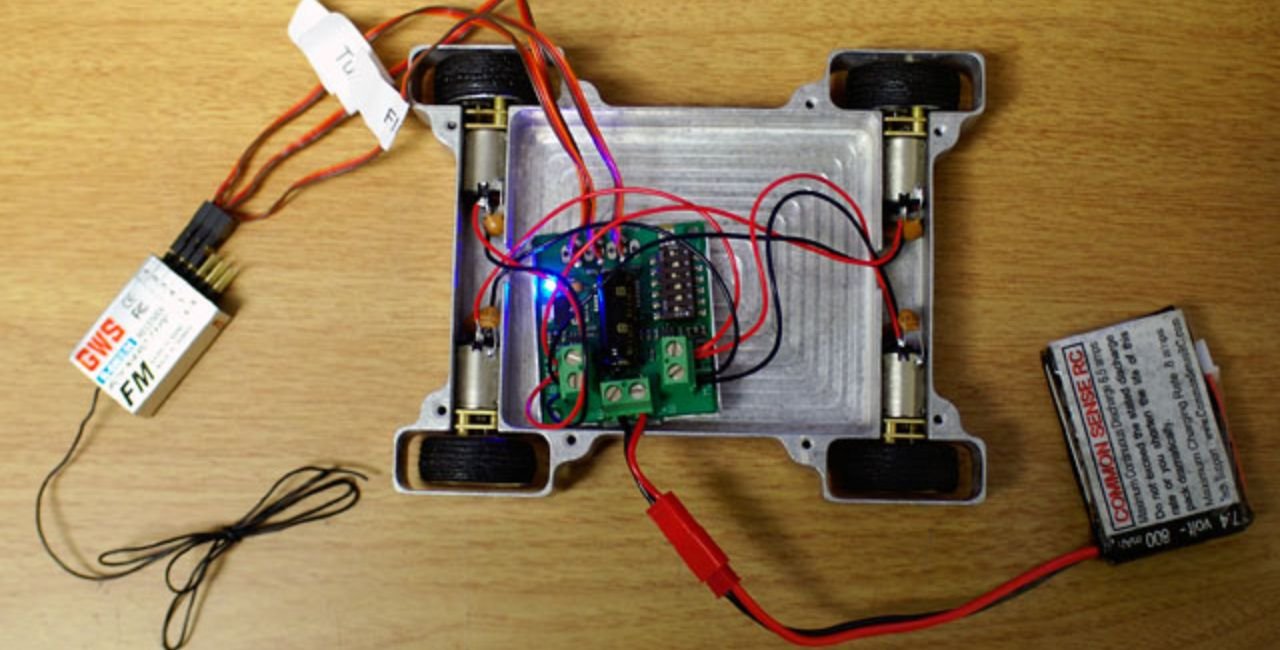
Drive Train Assembly Install four motors with silicone-coated wheels. Wire the drive system to electronic speed controllers (ESCs) compatible with your radio receiver. Test traction on arena surfaces before final assembly.
Weapon Integration Mount the SunFounder servo for the hammer arm and the RS 2205 motor for blade rotation. Align the weapon axis to maximize leverage while protecting the drive shaft. Program basic swing sequences in the Arduino environment.
Electronics and Programming Connect the gyro/accelerometer module and program orientation detection routines. Implement LED control logic for mode indication. For advanced builders, integrate simple machine learning libraries (such as TinyML) to enhance self-righting decisions.
Testing and Iteration Conduct bench tests for balance and power delivery. Progress to controlled arena runs against static targets, then friendly matches. Log data from each session to identify weaknesses and refine the design.
Advanced Features and Future Innovations in the Short Serket Robot Fighting Design
Midway through exploring the Short Serket robot fighting design, it becomes clear that its true strength lies in forward-thinking integration of sensors and adaptive control. The machine learning-enabled self-righting system represents a significant leap beyond traditional mechanical flippers. By analyzing real-time orientation data, the robot can make split-second decisions that mimic biological reflexes—much like how living creatures recover from falls.
Future iterations could incorporate additional sensors for opponent detection or arena mapping, further blurring the line between remote-controlled machines and semi-autonomous systems. Such advancements align with broader trends in robotics where small-scale platforms serve as testbeds for technologies that later scale to larger applications.
For insights into emerging AI applications that could enhance similar designs, consider world tech news from thinksofgamers which discusses practical gadget and innovation updates relevant to modern engineering.
Safety Considerations and Ethical Engineering Practices
Safety remains paramount in competitive robotics. All builders should follow established guidelines: secure wiring, proper battery handling, and arena barriers during testing. The Short Serket robot fighting design incorporates protected LED indicators and reinforced armor to minimize risk to operators and spectators.
Ethical design emphasizes sportsmanship, knowledge sharing, and educational value. Competitions foster teamwork, creativity, and resilience—qualities that extend far beyond the arena into academic and professional pursuits.
Participating in Events and Community Building
Short Serket has competed at events such as Hickory Bot Battles 2025 (Hickory, NC) and BotBrawl Event #20 (Kitchener, ON). These gatherings provide opportunities to test designs, exchange ideas, and build friendships within the robotics community.
Teams like Serket Robotics (featuring engineers Mike Path and driver Alex Path) demonstrate that even small groups can achieve meaningful results through dedication and continuous improvement. Their strategy—“Don’t die”—encapsulates a mindset of resilience and smart risk management.
Educational Benefits and STEM Applications
The process of designing, building, and refining an antweight combat robot like Short Serket teaches valuable lessons in physics (momentum, torque, friction), electronics (circuit design, sensor fusion), programming (control loops, data processing), and materials science. Schools and clubs worldwide use similar projects to engage students in practical STEM learning.
By focusing on compact, affordable platforms, educators create inclusive environments where creativity flourishes without prohibitive costs.
Materials Science and Manufacturing Techniques
Successful antweight designs rely on advanced yet accessible manufacturing methods. 3D printing enables rapid prototyping of complex geometries, while laser-cut polycarbonate and carbon fiber provide lightweight strength. Understanding material properties—such as the flexibility of TPU versus the rigidity of carbon fiber—allows builders to optimize each component for its specific role.
Power Management and Energy Efficiency
Lithium-ion batteries deliver high energy density but require careful monitoring to prevent overheating or voltage sag during intense weapon activation. Efficient motor selection and power distribution circuits ensure the robot maintains performance throughout a full match.
Programming Deep Dive: From Basic Control to Machine Learning
Arduino sketches handle basic motor control and LED patterns. More advanced implementations use the gyro/accelerometer to create PID (proportional-integral-derivative) controllers for stable movement. Introducing machine learning models trained on orientation data takes the design to another level, allowing autonomous recovery behaviors.
Comparative Analysis with Other Antweight Designs
While many antweights use spinning drums or vertical spinners, the hammer-saw approach of Short Serket offers unique reach and impact versatility. Comparing weapon effectiveness, drive configurations, and self-righting strategies helps builders choose the best path for their own projects.
Scaling Lessons to Larger Robot Classes
Principles learned from the Short Serket robot fighting design—modularity, sensor integration, and iterative testing—apply directly to beetleweight, featherweight, and even heavyweight categories. The emphasis on reliability over raw power proves especially valuable as scale increases.
Community Resources and Knowledge Sharing
Online forums, builder databases, and team websites provide invaluable support. Documenting your own build journey contributes to collective knowledge and inspires newcomers.
For strategic business perspectives on innovation that parallel robotics development, explore business growth strategies 2026 which highlights ethical technology integration and sustainable advancement.
Environmental and Sustainability Considerations
Modern robotics encourages use of recyclable materials and energy-efficient components. Designing for longevity reduces waste and promotes responsible engineering practices.
Psychological and Team Dynamics in Robotics Projects
Building competitive robots teaches perseverance, collaboration, and creative problem-solving. The shared goal of arena success strengthens bonds and builds confidence.
Looking Ahead: The Future of Compact Robot Fighting Design
As technology advances, expect even smarter, more autonomous antweight robots. Integration of computer vision, improved battery chemistry, and lightweight composites will push performance boundaries while maintaining accessibility.
The Short Serket robot fighting design serves as both a current benchmark and a foundation for tomorrow’s innovations. Its blend of mechanical ingenuity, electronic sophistication, and adaptive intelligence offers a blueprint for success in competitive robotics.
Conclusion
The journey of creating and refining the Short Serket robot fighting design illustrates the power of curiosity-driven engineering. From initial prototypes to competition-ready machines, each step reinforces core STEM principles and the joy of building something functional and exciting.
Whether you are a student, hobbyist, or seasoned builder, the lessons embedded in this compact antweight combat robot extend far beyond the arena. They encourage lifelong learning, ethical innovation, and community engagement—values that define the best of modern robotics.
By studying and adapting the Short Serket robot fighting design, aspiring engineers worldwide can contribute to the ongoing evolution of competitive robotics while developing skills that benefit society as a whole. The future belongs to those who combine creativity with careful execution, and this remarkable little robot proves that great things truly do come in small packages.