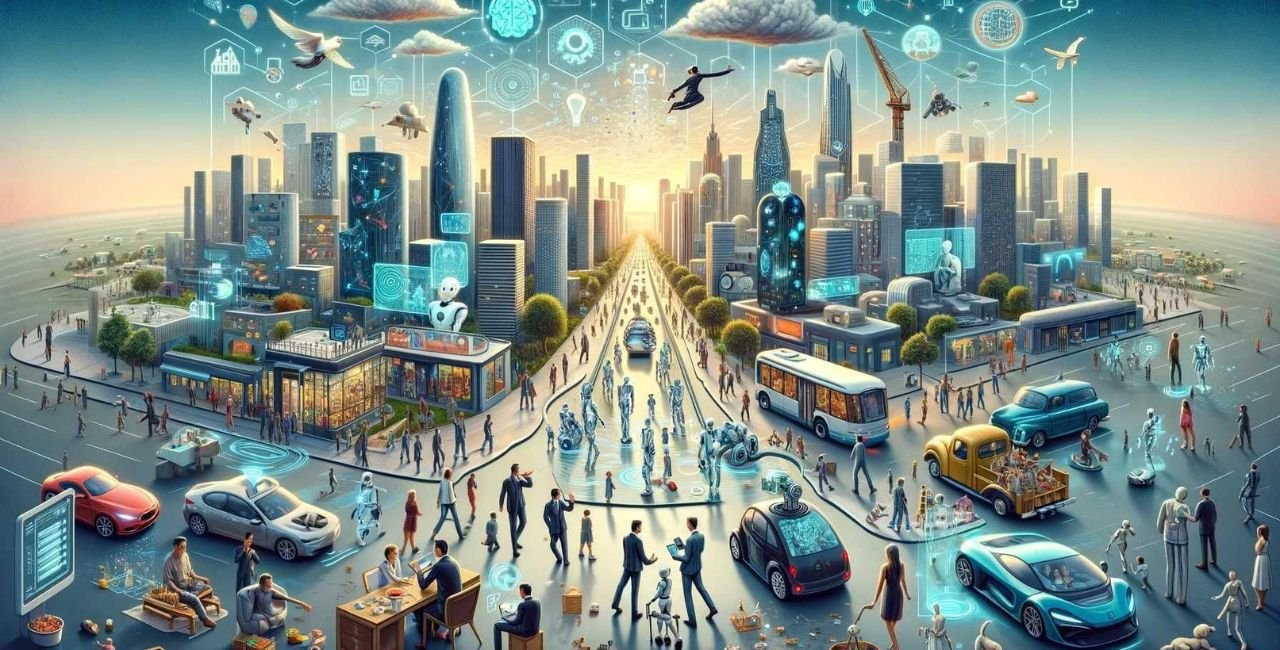
Artificial intelligence is not just about machines performing tasks; it is about systems that can learn, adapt, and improve over time. This dynamic capability opens doors to countless possibilities, ranging from smarter healthcare systems to more efficient transportation networks. However, with such potential also comes responsibility, ethical considerations, and the need for careful implementation.
In this comprehensive article, we will explore how AI is evolving, its impact across various sectors, challenges it faces, and what the future may hold. By the end, readers will gain a clear understanding of how AI is shaping the world and what steps can be taken to harness its benefits responsibly.
What Is Artificial Intelligence
Understanding the Core Concept
Artificial intelligence refers to the simulation of human intelligence in machines that are designed to think, reason, and learn. These systems can analyze data, recognize patterns, and make decisions with minimal human intervention.
AI can be categorized into several types:
Narrow AI (Weak AI)
Designed for specific tasks such as speech recognition or recommendation systems.
General AI (Strong AI)
A theoretical form of AI that can perform any intellectual task a human can.
Superintelligent AI
An advanced stage where machines surpass human intelligence.
Key Components of AI
AI relies on several technologies, including:
- Machine Learning (ML)
- Natural Language Processing (NLP)
- Computer Vision
- Robotics
These components work together to enable machines to process information and respond intelligently.
Evolution of Artificial Intelligence
Early Beginnings
The concept of AI dates back to the mid-20th century when researchers began exploring whether machines could mimic human thinking. Early systems were limited in capability but laid the foundation for future developments.
Growth in the Digital Age
With the rise of big data and powerful computing systems, AI has grown exponentially. Companies now use AI to analyze vast amounts of information, automate processes, and enhance decision-making.
Current State of AI
Today, AI is integrated into:
- Smartphones
- Healthcare systems
- Financial services
- Transportation
Its presence is so widespread that many people interact with AI daily without even realizing it.
Applications of Artificial Intelligence
Healthcare Transformation
AI is revolutionizing healthcare by improving diagnostics, treatment plans, and patient care.
- Early disease detection
- Personalized medicine
- Robotic surgeries
AI-driven systems can analyze medical data faster and more accurately than traditional methods, helping doctors make better decisions.
Education and Learning
AI is transforming education by making learning more personalized and accessible.
- Smart tutoring systems
- Adaptive learning platforms
- Automated grading
Students can now receive customized learning experiences based on their strengths and weaknesses.
Business and Industry
Companies are leveraging AI to improve efficiency and productivity.
- Customer service automation
- Supply chain optimization
- Predictive analytics
Businesses can now anticipate market trends and make data-driven decisions.
Transportation and Mobility
AI plays a significant role in modern transportation systems.
- Autonomous vehicles
- Traffic management systems
- Logistics optimization
These advancements help reduce accidents, improve efficiency, and lower costs.
Agriculture and Food Production
AI is helping farmers increase productivity and sustainability.
- Crop monitoring
- Soil analysis
- Automated harvesting
These innovations ensure better resource management and higher yields.
Benefits of Artificial Intelligence
Increased Efficiency
AI systems can perform tasks faster and more accurately than humans, reducing errors and saving time.
Enhanced Decision-Making
With access to large datasets, AI can provide insights that improve decision-making processes.
Cost Reduction
Automation reduces the need for manual labor, lowering operational costs for businesses.
Improved Quality of Life
AI-powered technologies make daily life more convenient, from smart homes to virtual assistants.
Challenges Facing Artificial Intelligence
Ethical Concerns
As AI becomes more powerful, ethical questions arise:
- How should AI be used?
- Who is responsible for AI decisions?
Data Privacy
AI systems rely on data, raising concerns about how personal information is collected and used.
Job Displacement
Automation may replace certain jobs, requiring workers to adapt and learn new skills.
Bias and Fairness
AI systems can inherit biases from the data they are trained on, leading to unfair outcomes.
The Role of Governments and Policies
Governments play a crucial role in regulating AI to ensure its safe and ethical use.
Regulation and Standards
Policies are needed to:
- Protect user data
- Ensure transparency
- Prevent misuse
Investment in Research
Governments are investing in AI research to remain competitive and drive innovation.
The Future of Artificial Intelligence in Society
As we move forward, the future of artificial intelligence will continue to influence how societies function and evolve. From smart cities to advanced communication systems, AI will play a central role in shaping the future.
Smart Cities
AI will enable cities to become more efficient and sustainable.
- Intelligent traffic systems
- Energy management
- Waste reduction
Human-AI Collaboration
Rather than replacing humans, AI will work alongside them to enhance productivity and creativity.
Related Keywords
- AI advancements
- machine learning trends
- intelligent automation
AI and the Workforce
Changing Job Roles
AI will transform job roles rather than eliminate them entirely.
- New job opportunities in AI development
- Increased demand for technical skills
- Emphasis on creativity and problem-solving
Importance of Skill Development
Continuous learning will be essential for adapting to an AI-driven world.
AI in Communication and Media
AI is transforming how information is created and shared.
- Automated content generation
- Personalized recommendations
- Real-time translation
These advancements improve accessibility and user experience.
AI and Environmental Sustainability
AI can help address environmental challenges.
- Climate modeling
- Energy efficiency
- Resource management
By analyzing data, AI can provide solutions for a more sustainable future.
Ethical AI Development
Importance of Responsible Innovation
Developers must ensure that AI systems are:
- Transparent
- Fair
- Accountable
Building Trust
Public trust is essential for the widespread adoption of AI technologies.
Internal Links
For more insights and global updates, you can explore:
- Latest technology updates on BNO News Technology Section
- Global innovation trends via BNO News World Coverage
- Breaking developments in science at BNO News Science Updates
External Reference
For a deeper understanding of artificial intelligence, refer to Artificial Intelligence Overview on Wikipedia.
Conclusion
Artificial intelligence is shaping the future in ways that were once unimaginable. Its ability to learn, adapt, and improve makes it one of the most transformative technologies of our time. While challenges such as ethical concerns and job displacement must be addressed, the potential benefits far outweigh the risks when managed responsibly.
As individuals and societies, embracing AI with awareness and preparedness will be key to unlocking its full potential. The journey ahead is filled with opportunities, and those who adapt will be best positioned to thrive in an AI-driven world.