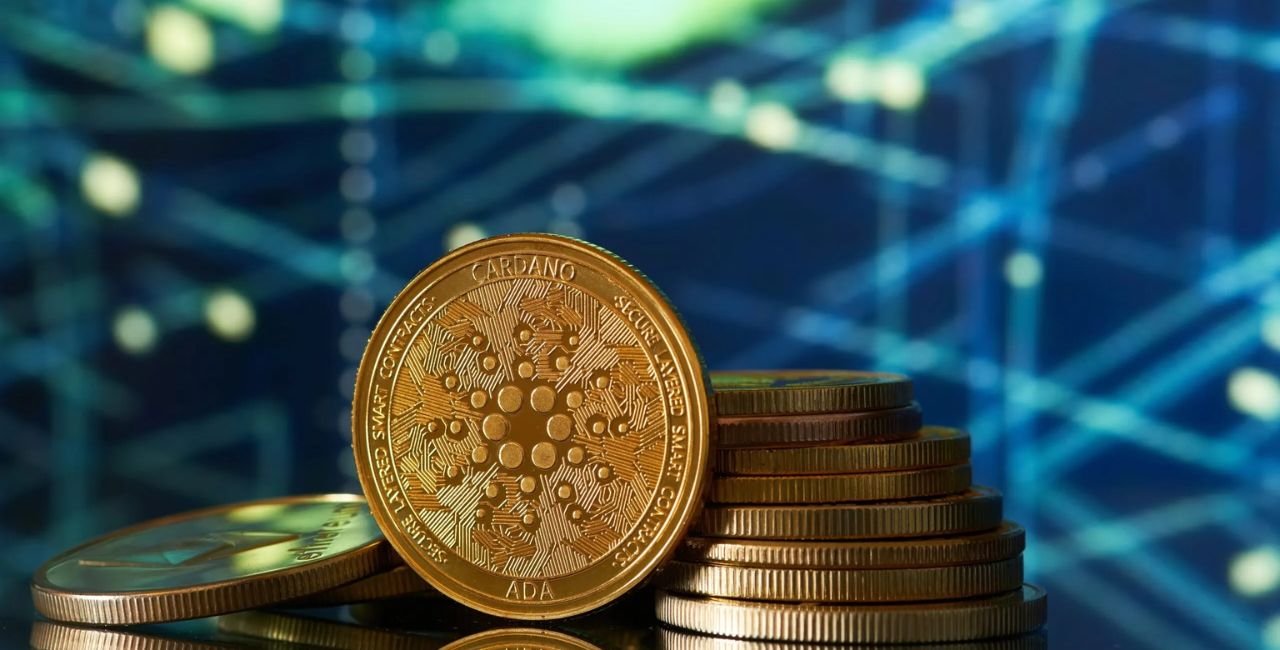
The world of digital assets continues to evolve with platforms that prioritize security, sustainability, and long-term utility. Among these, Cardano stands out as a blockchain network built on rigorous academic research and peer-reviewed principles. Its native token, often discussed in market analyses, plays a central role in network operations, including transaction processing and participation in consensus mechanisms.
In the first part of this detailed exploration, we examine the cardano price dynamics alongside broader ecosystem developments that could influence its trajectory. Investors and enthusiasts frequently track Cardano price movements in connection with network upgrades, adoption metrics, and overall market conditions in the blockchain space.
Cardano was designed to address common challenges in blockchain technology, such as energy efficiency, scalability, and interoperability. Unlike some networks that prioritize rapid deployment, Cardano emphasizes a methodical, evidence-based development process. This approach has attracted a dedicated community interested in building reliable infrastructure for future applications in finance, supply chain, education, and identity management.
Related keywords like ADA cryptocurrency, Cardano blockchain, and ADA price prediction frequently appear in discussions about its potential. These terms reflect interest not only in short-term market behavior but also in the underlying technology’s capacity to support sustainable growth.
This article provides an in-depth, balanced review of Cardano’s history, technical foundations, factors affecting its token value, comparisons with other networks, ecosystem developments, and forward-looking perspectives. The goal is to offer readers a clear, informative resource without hype or speculation beyond available analyses.
The Origins and Development of the Cardano Blockchain
Cardano’s journey began in 2015 with a vision to create a more secure and scalable blockchain platform. Founded by Charles Hoskinson, one of the early contributors to another major blockchain project, Cardano aimed to combine the best elements of existing systems while introducing novel solutions grounded in formal methods and scientific research.
The network officially launched in 2017, marking the start of its structured development roadmap. This roadmap is divided into distinct eras, each focusing on specific enhancements:
Byron Era
This foundational phase established the basic infrastructure, enabling ADA transactions and introducing the Ouroboros proof-of-stake consensus mechanism. Ouroboros was designed to be energy-efficient compared to proof-of-work systems, relying on mathematical proofs for security.
Shelley Era
Launched to promote decentralization, Shelley introduced staking capabilities. Users could delegate their ADA to stake pools, helping secure the network while earning rewards. This era significantly increased participation and distributed block production across thousands of independent operators.
Goguen Era
Focused on smart contract functionality, this phase brought Plutus and Marlowe scripting languages to the platform. Developers gained tools to build decentralized applications (dApps) with greater expressiveness and security assurances due to the functional programming approach.
Basho Era
Emphasis shifted to optimization and scaling. Improvements in throughput, storage efficiency, and sidechain capabilities were prioritized to prepare the network for higher transaction volumes without compromising reliability.
Voltaire Era
This governance-focused phase introduced on-chain decision-making mechanisms. ADA holders can now participate in voting on proposals, treasury allocation, and protocol changes, fostering a more democratic and sustainable ecosystem management model.
Cardano’s development continues beyond these eras with planned advancements in areas like enhanced consensus protocols (such as Leios for improved parallelism) and privacy features through sidechains like Midnight. The commitment to peer-reviewed research sets Cardano apart, as many protocol changes undergo extensive academic scrutiny before implementation.
This phased approach has resulted in a network with a strong track record of uptime and security. Proponents argue that this methodical progress builds long-term resilience, even if it sometimes appears slower than competitors in the short term.
Understanding the Cardano Price and Market Dynamics
The value of ADA, Cardano’s native token, is determined by supply and demand dynamics within the broader digital asset market. As of recent observations in 2026, ADA has experienced periods of consolidation, reflecting both network-specific developments and macroeconomic influences on the blockchain sector.
Several key factors influence Cardano price movements:
Network Utility and Adoption
Increased usage of the Cardano blockchain for decentralized applications, tokenization of assets, or real-world projects can drive demand for ADA, which is required for transaction fees and staking.
Staking Participation
A significant portion of the ADA supply is typically staked, reducing liquid circulation and potentially supporting price stability. Staking rewards incentivize long-term holding and network security.
Technological Upgrades and Roadmaps
Announcements or successful implementations of hard forks, scalability solutions (like Hydra for layer-2 processing), or governance enhancements often generate market interest.
Broader Market Sentiment
Trends in Bitcoin and Ethereum frequently correlate with altcoin performance, including ADA. Positive regulatory clarity or institutional interest in blockchain technology can lift the sector.
Ecosystem Growth Metrics
Total value locked (TVL) in decentralized finance protocols on Cardano, number of active addresses, transaction volumes, and developer activity serve as indicators of underlying health.
Historical price patterns show notable rallies tied to major milestones, such as the launch of smart contracts or periods of heightened market enthusiasm. However, like all digital assets, ADA has also faced corrections during market-wide downturns.
Analysts monitor on-chain data, whale activity (large holders), and exchange trading volumes to gauge potential shifts. While past performance does not guarantee future results, understanding these drivers helps contextualize Cardano price discussions.
In the middle of our analysis, it is worth noting that cardano price forecasts vary widely among observers, reflecting differing assumptions about adoption rates, technological delivery, and global economic conditions. Some projections for 2026 suggest ranges between approximately $0.20 and $0.80 or higher in optimistic scenarios, depending on successful execution of upgrades like improved throughput and real-world integrations. These figures are speculative and should be viewed alongside comprehensive research.
Technical Architecture: Ouroboros and Beyond
At the heart of Cardano lies the Ouroboros proof-of-stake protocol. Unlike energy-intensive alternatives, Ouroboros selects block producers based on stake and uses cryptographic sortition to ensure fairness and security. This design has been formally verified through academic papers, contributing to Cardano’s reputation for robustness.
The network employs a layered architecture separating the settlement layer (for value transfer) from the computation layer (for smart contracts). This separation aims to enhance security and allow independent scaling of different functions.
Recent and upcoming improvements include:
Hydra
A layer-2 scaling solution using state channels to enable faster, cheaper transactions off the main chain while inheriting security from the base layer.
Mithril
A lightweight client protocol that improves synchronization speed for wallets and nodes without requiring full blockchain downloads.
Ouroboros Leios
A proposed enhancement for parallel block production, potentially increasing transaction processing capacity significantly.
Partner Chains and Interoperability
Efforts to connect Cardano with other networks, facilitating asset transfers and collaborative applications.
These technical elements support the narrative that Cardano is engineered for enterprise and real-world use cases where reliability and predictability matter.
Cardano Ecosystem: Applications and Real-World Use
Beyond pure speculation, the value proposition of Cardano strengthens through practical applications. The ecosystem includes decentralized exchanges, lending protocols, NFT marketplaces, and projects targeting identity, supply chain, and education.
In developing regions, initiatives have explored blockchain for land registry, agricultural traceability, and financial inclusion. Such projects demonstrate potential for tangible societal benefits, which could indirectly support long-term demand for the underlying infrastructure and its token.
Decentralized finance (DeFi) on Cardano has grown with protocols offering liquidity provision, token swapping, and yield opportunities. Non-fungible tokens (NFTs) serve creative industries and collectibles, with marketplaces providing accessible entry points for digital ownership.
Governance through Voltaire allows the community to propose and vote on fund allocation from the treasury, potentially funding further development and ecosystem grants. This participatory model aims to align incentives among developers, users, and holders.
As the ecosystem matures, metrics such as active dApps, developer contributions on GitHub, and partnerships become important signals for those following Cardano price and adoption trends.
Cardano vs Ethereum: A Comparative Perspective
Cardano and Ethereum are often compared as smart contract platforms, yet they differ in philosophy and implementation.
Ethereum pioneered widespread smart contract adoption and boasts a larger, more mature ecosystem with extensive developer tools and decentralized applications. It transitioned from proof-of-work to proof-of-stake, improving energy efficiency while maintaining high network effects.
Cardano, built from the ground up with proof-of-stake, emphasizes formal verification, peer review, and sustainability. Its transaction fees tend to be more predictable and generally lower during normal conditions. Scalability approaches also differ: Ethereum relies heavily on layer-2 rollups, while Cardano pursues a combination of base-layer optimizations and sidechains.
In terms of governance, Ethereum’s direction evolves through community discussion and core developer consensus, whereas Cardano’s Voltaire era introduces formalized on-chain voting for ADA holders.
Neither platform is inherently “better”—they serve overlapping yet distinct niches. Ethereum benefits from first-mover advantage and liquidity, while Cardano positions itself for scenarios requiring high assurance and energy-conscious operations. Market participants often diversify across both, monitoring relative performance in different market cycles.
For further reading on blockchain history, consider the Ethereum Wikipedia page as an external resource providing detailed context on smart contract evolution.
Factors Influencing Long-Term Cardano Price Outlook
Several elements may shape ADA’s trajectory in the coming years:
Regulatory Environment
Clearer frameworks for digital assets could encourage institutional participation. Developments around commodity classification or custody solutions are watched closely.
Macroeconomic Conditions
Interest rates, inflation, and global liquidity affect risk assets, including cryptocurrencies.
Technological Delivery
Timely and successful implementation of scaling solutions and privacy features could enhance competitiveness.
Real-World Asset (RWA) Tokenization
Bringing traditional assets on-chain in a compliant, transparent manner represents a significant growth area for blockchain networks.
Community and Developer Activity
Sustained growth in contributions, education, and localized adoption initiatives strengthens the network’s foundation.
Price predictions from various analysts for 2026 and 2030 range considerably. Conservative estimates hover around $0.25–$0.70, while more optimistic scenarios tied to strong adoption project higher levels, potentially exceeding $1 in bullish cases. These are not guarantees but synthesized views based on historical patterns, on-chain metrics, and roadmap progress.
It is essential to approach such forecasts with caution. Digital asset markets are volatile, influenced by unforeseen events, technological shifts, and sentiment changes.
Risks and Considerations for Participants
Any involvement with blockchain networks and digital tokens carries risks. These include technological risks (bugs or delays in upgrades), market volatility, regulatory uncertainty, and competition from other platforms.
Cardano’s research-driven model aims to mitigate some technical risks through rigorous testing, but no system is entirely immune to challenges. Participants should conduct thorough due diligence, consider diversification, and align actions with their individual risk tolerance and time horizon.
Educational resources, official documentation, and community forums (such as those on Reddit) can provide valuable insights. For community discussions, platforms like Reddit’s Cardano subreddit offer user perspectives, though opinions vary widely.
Future Prospects and Sustainable Development
Looking ahead, Cardano’s focus on interoperability, AI integration potential, and support for emerging technologies positions it as a platform for long-term innovation. Initiatives targeting carbon-negative operations or efficient data handling align with global sustainability goals.
The network’s emphasis on usability improvements—better wallets, developer tools, and mobile accessibility—seeks to lower barriers for everyday users and builders.
As governance matures, the ability of the community to adapt and fund productive initiatives may become a distinguishing strength. Successful execution could foster greater utility, potentially supporting organic demand for ADA over time.
Conclusion
Cardano represents one of the more deliberate experiments in blockchain design, prioritizing scientific foundations and community governance. Its token’s price reflects a complex interplay of technology, adoption, market sentiment, and broader economic factors.
This extensive overview has covered the network’s history, architecture, ecosystem, comparisons, and influencing elements. Readers interested in Cardano price or ADA cryptocurrency developments are encouraged to stay informed through official channels and conduct independent analysis.
For additional perspectives on blockchain news and updates, explore resources available at https://bnonews.co.uk/ for timely reporting on technology and finance topics. Internal pages on the site, such as those covering cryptocurrency trends or blockchain innovations, can complement this analysis.
Ultimately, success in the digital asset space depends on informed decision-making, patience, and a focus on fundamental value creation rather than short-term fluctuations. Cardano’s journey continues as part of the broader evolution toward more efficient, inclusive, and secure digital systems.