In today’s world of home architecture and interior styling, modern wooden door design has emerged as a perfect balance of tradition, elegance, and innovation. Homeowners seeking warmth, durability, and timeless appeal often turn to wood for both interior and exterior applications. This comprehensive guide explores every aspect of selecting, designing, and maintaining these doors to help you create spaces that feel inviting and contemporary.
The Rich History and Evolution of Wooden Doors in Home Design
Wooden doors have been part of human dwellings for thousands of years, evolving from simple planks used in ancient structures to highly engineered masterpieces today. Early civilizations valued wood for its availability and natural insulating properties. Over centuries, craftsmanship techniques refined the way doors were built, incorporating joinery methods that improved strength and weather resistance.
In the 20th century, mass production introduced composite materials, yet wood never lost its charm. By the early 2000s, a revival began as people sought natural elements in increasingly urban environments. Today, in 2026, modern wooden door design reflects a deep respect for heritage while embracing cutting-edge technology. Designers now combine traditional grain patterns with precision milling and sustainable sourcing, creating doors that are not only beautiful but also environmentally responsible.
This evolution mirrors broader shifts in lifestyle. Families in regions with varying climates, from humid coastal areas to drier inland zones, appreciate wood’s ability to adapt when properly treated. The focus has shifted toward longevity, where a single well-chosen door can last generations with minimal upkeep.
Why Modern Wooden Doors Outshine Other Materials: Key Benefits
Choosing wood for doors offers advantages that extend far beyond aesthetics. One primary benefit is superior thermal insulation. Wood naturally regulates temperature, keeping interiors cooler in summer and warmer in winter. This leads to noticeable energy savings over time, making it an intelligent investment for any household.
Durability stands out as another strong point. High-quality solid wood resists everyday wear better than many alternatives, especially when finished with protective coatings. Scratches or dents can often be sanded and refinished, extending the door’s life without full replacement. Security is enhanced too; a solid wood door provides substantial mass that deters forced entry when paired with robust hardware.
Aesthetic versatility is unmatched. Wood accepts stains, paints, and clear finishes equally well, allowing seamless integration into any décor style. From light, airy oak tones to rich, deep walnut hues, the natural grain tells a unique story in every piece. Sound insulation is another practical perk—wood dampens noise effectively, creating peaceful separations between rooms.
Sustainability plays a growing role in decision-making. Responsibly sourced timber supports forest regeneration and acts as a carbon store. Many manufacturers now offer doors made from certified woods or reclaimed materials, appealing to eco-conscious families. Customization options further add value; you can specify panel configurations, glass inserts, or hardware that matches your vision exactly.
Compared to metal or synthetic options, wood feels warmer to the touch and ages gracefully, developing character rather than looking worn. These benefits explain why modern wooden door design remains a preferred choice across diverse home styles.
Exploring Popular Wood Types for Contemporary Wooden Door Designs
Selecting the right wood species is crucial for achieving the desired look and performance. Each type brings distinct characteristics suited to different applications.
Oak remains a favorite for its strength and prominent grain. White oak offers a lighter, more neutral tone ideal for bright, minimalist spaces, while red oak provides warmer undertones. Both varieties resist moisture well when sealed, making them suitable for interior wooden door design ideas in high-traffic areas.
Walnut delivers luxury with its dark, chocolate-brown color and swirling patterns. It works beautifully in contemporary settings where contrast is desired. Though slightly softer than oak, proper finishing ensures long-term durability.
Mahogany is prized for its stability and resistance to warping. Its reddish undertones deepen over time, adding richness to entryways. This species performs exceptionally in exterior applications where exposure to elements is a concern.
Maple and Cherry suit lighter, modern palettes. Maple’s fine, even grain creates a clean look, while cherry develops a warm glow with age. Both are excellent for interior doors in bedrooms or offices.
Pine and Fir provide affordable, lightweight options with rustic appeal. These softwoods accept stains readily and suit casual or farmhouse-inspired homes.
Sustainable Choices like bamboo or reclaimed woods are gaining popularity in 2026. Bamboo grows rapidly and offers surprising hardness, while reclaimed timber brings history and uniqueness to contemporary wooden door designs.
Engineered wood options combine layers of real veneer over stable cores, reducing the risk of expansion or contraction in changing humidity. These hybrids maintain the natural beauty while improving performance.
Latest Trends Shaping Modern Wooden Door Design in 2026
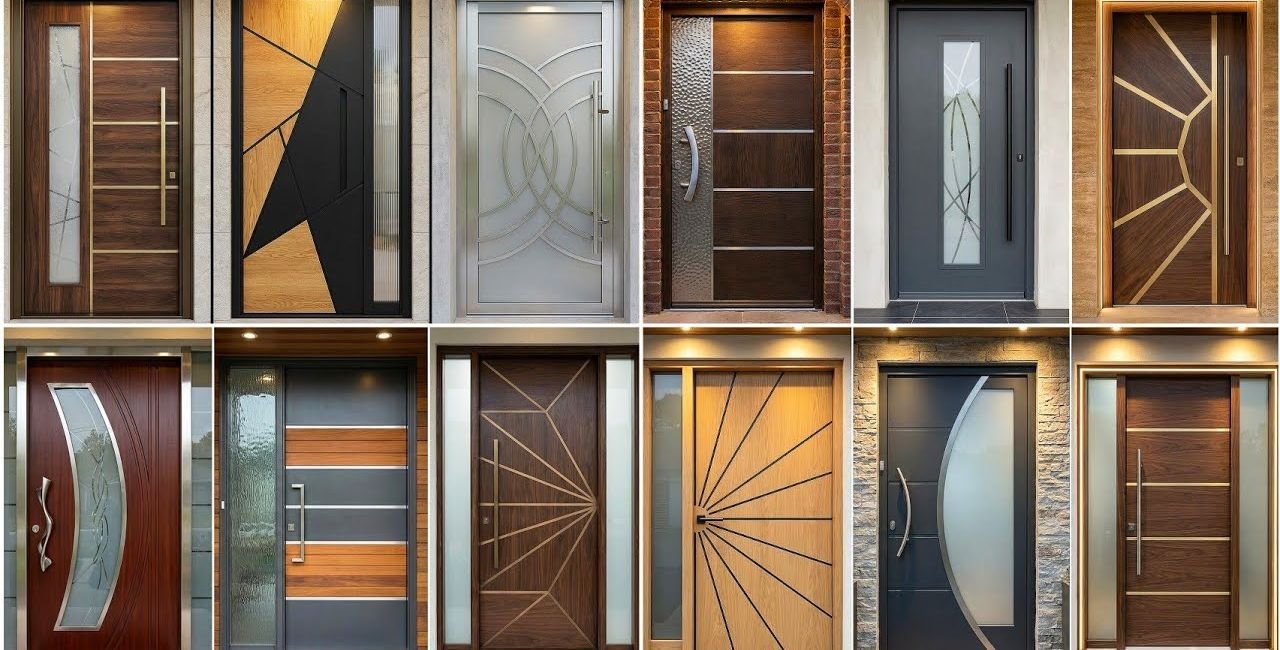
As we move through 2026, several exciting directions define modern wooden door design. Minimalism continues to dominate, with clean lines, flat panels, and hidden hardware creating seamless transitions between spaces. Frameless or invisible doors are particularly popular in open-concept homes, where the door blends into the wall when closed.
Natural wood finishes have made a strong comeback. Instead of heavy paints, homeowners prefer matte varnishes that highlight the grain. Light oak, smoked walnut, and rich mahogany tones bring organic warmth to otherwise sleek interiors. Textured surfaces—such as hand-scraped or wire-brushed finishes—add tactile interest without overwhelming the design.
Sliding barn doors and pocket doors gain traction for their space-saving qualities. These mechanisms allow flexible room divisions while showcasing beautiful wood on full display. Many incorporate soft-close systems for quiet operation.
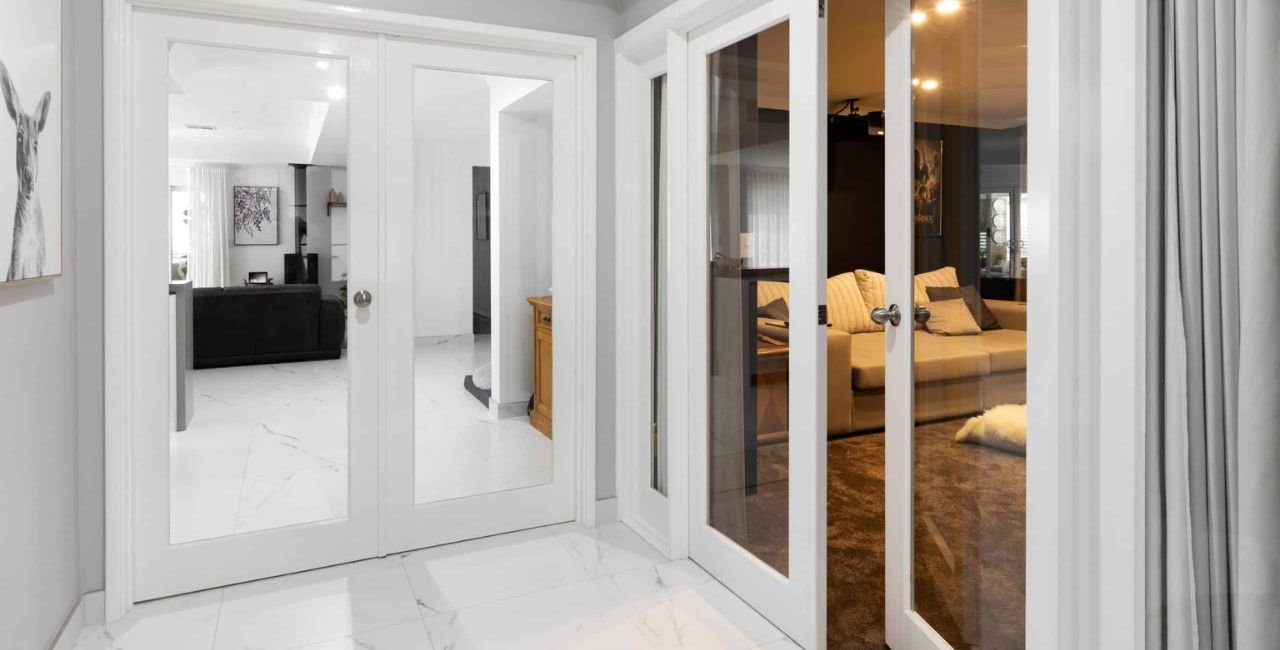
Glass integration is another key trend. Narrow vertical or horizontal glass panels within wooden frames allow light to flow while preserving privacy. Frosted or textured glass options enhance the contemporary feel.
Sustainability drives innovation too. Doors made from fast-growing or reclaimed woods, paired with low-VOC finishes, appeal to environmentally aware buyers. Smart features, such as integrated sensors for temperature or security, are subtly incorporated without compromising the natural aesthetic.
In the middle of exploring these developments, it becomes clear that modern wooden door design continues to evolve by honoring wood’s inherent qualities while meeting modern living needs. This approach ensures doors remain functional centerpieces rather than mere barriers.
Bold hardware choices complement the wood. Matte black, brushed brass, or concealed hinges create striking contrasts or invisible elegance. Oversized pivot doors for main entrances make dramatic statements, especially in larger homes.
Color accents appear more frequently. While natural tones prevail, some designers apply subtle stains or paints on select panels for personalized flair. Mixed materials—wood combined with metal accents or stone inlays—offer fresh interpretations of tradition.
Interior Wooden Door Design Ideas for Every Room
Interior applications allow for creative expression. In living rooms, tall paneled doors with vertical grain emphasize height and openness. Bedroom doors often feature softer profiles and sound-dampening cores for privacy.
Kitchen and dining areas benefit from Dutch doors or bifold designs that facilitate easy movement while maintaining separation. Home offices gain sophistication from solid walnut doors that block noise during focused work.
Bathrooms require moisture-resistant treatments, making engineered cores with real wood veneers practical. Hallways showcase uniform door styles for visual flow, perhaps with varying panel details to add subtle interest.
Lighting plays an important role. Doors positioned near windows or equipped with glass elements maximize natural illumination. Color coordination with walls or flooring creates harmonious schemes—light woods brighten small spaces, while darker tones add depth to larger rooms.
Exterior Modern Wooden Door Designs: Making a Lasting First Impression
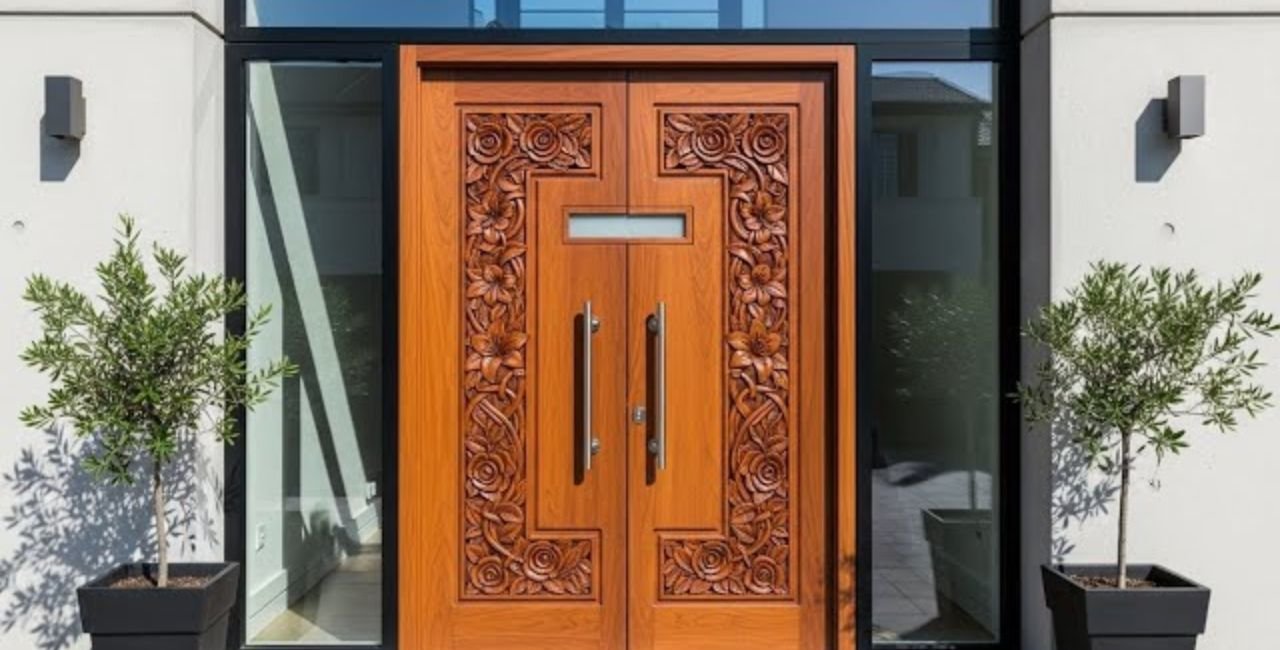
Entry doors set the tone for the entire home. Grand pivot or double doors with sidelights create welcoming grandeur. Arched tops or decorative carvings add architectural interest without excess ornamentation.
Weather resistance is essential. Modern treatments include advanced sealants and UV-protective finishes that maintain color and integrity for years. Multi-point locking systems enhance security while preserving elegant hardware.
Color choices for exteriors often lean toward deep, earthy tones or classic neutrals. Contrasting trim or glass inserts break up large surfaces visually. Sustainable modern wooden doors using responsibly harvested timber ensure the entrance remains beautiful and ethical.
How to Choose the Perfect Modern Wooden Door Design for Your Home
Begin by assessing your space. Measure accurately and consider traffic flow, light needs, and existing architecture. Style consistency matters—match interior doors to the overall theme while allowing slight variations for personality.
Budget planning is vital. Solid wood commands higher initial costs but delivers superior longevity. Factor in hardware, installation, and finishing expenses. Request samples to evaluate grain and color under your home’s lighting.
Consult professionals early. Experienced carpenters or designers can suggest modifications that optimize performance. Energy efficiency ratings and local building codes should guide selections, especially in regions with extreme weather.
Think long-term. A door chosen today should complement future renovations. Versatile designs in neutral tones adapt easily as tastes evolve.
Installation, Maintenance, and Ensuring Longevity
Proper installation is non-negotiable. Level framing and precise hinge placement prevent sticking or sagging. Professional teams ensure weatherstripping and thresholds create tight seals.
Maintenance is straightforward. Annual cleaning with mild soap preserves finishes. Reapply protective coatings every few years, depending on exposure. Address minor issues promptly to avoid larger repairs.
Humidity control inside the home prevents warping. Use dehumidifiers in damp climates or humidifiers in dry ones. Regular inspections of seals and hardware maintain optimal function.
Sustainability extends to care. Choosing doors from ethical suppliers and maintaining them reduces replacement frequency, lowering overall environmental impact.
Real-Life Examples and Case Studies of Successful Implementations
Consider a suburban family home where contemporary wooden door designs transformed the entrance. A custom walnut pivot door with vertical glass panels welcomed natural light while providing privacy. Interior sliding doors in light oak unified living and dining areas, creating flexible spaces for gatherings.
In an urban apartment, frameless walnut doors blended with minimalist walls, maximizing square footage. Reclaimed pine doors in a countryside residence added rustic charm with modern hardware, proving wood’s adaptability across settings.
These examples illustrate how thoughtful choices elevate everyday living.
The Future Outlook for Modern Wooden Door Design
Looking ahead, technology will integrate more seamlessly. Embedded sensors for air quality or automated opening systems may become standard without visible disruption. 3D printing and CNC precision will allow even more intricate yet affordable custom patterns.
Biophilic design principles will emphasize natural connections, favoring woods that evoke forests and calm. Global supply chains will prioritize traceability, ensuring every door supports positive environmental practices.
Innovation in finishes will offer self-healing or easier-clean surfaces, further enhancing practicality. Yet the core appeal—wood’s warmth and authenticity—will remain unchanged.
Conclusion
Modern wooden door design represents more than a functional element; it embodies a lifestyle choice that values quality, beauty, and responsibility. By understanding materials, trends, and best practices, you can select doors that enhance your home for decades.
Whether refreshing a single room or undertaking a full renovation, these doors offer endless possibilities. Their natural charm, combined with 2026’s innovative approaches, ensures your home remains welcoming, efficient, and stylish.
For complementary ideas on pairing doors with furniture, explore Modern Wooden Furniture Designs or discover inspiring collections in Luxury Home Furniture Sets. Additional insights on home enhancements can be found through affordable office and living solutions.