Historical Context of Tensions in the Middle East
The Middle East has long been influenced by a complex interplay of historical, political, and cultural factors that have shaped its modern challenges. From ancient civilizations to 20th-century developments, the region has navigated periods of cooperation and periods of strain, often involving external influences and internal aspirations for self-determination. Key historical milestones, including post-World War II arrangements and subsequent regional agreements, laid foundations for ongoing discussions around borders, resources, and governance.
In the decades leading up to 2026, various initiatives sought to promote stability through multilateral forums, economic partnerships, and confidence-building measures. These efforts highlighted recurring themes such as the importance of respecting diverse perspectives and pursuing mutual benefits. For instance, earlier frameworks addressing Palestinian issues and broader Arab-Israeli relations demonstrated how sustained negotiations could yield incremental progress, even amid setbacks. Understanding this backdrop is essential for appreciating the context of contemporary Middle East conflict updates, as it reveals patterns of resilience where communities have repeatedly turned toward reconciliation.
Regional organizations and international bodies have played supportive roles in facilitating talks, often emphasizing principles of non-interference and equitable resource sharing. Historical examples illustrate how economic interdependence, cultural exchanges, and shared environmental concerns have served as bridges for cooperation. This foundation informs current analyses, reminding observers that while challenges persist, the region’s history also includes numerous instances of successful mediation and joint problem-solving.
The Escalation of 2026: From Initial Strikes to Temporary Ceasefire
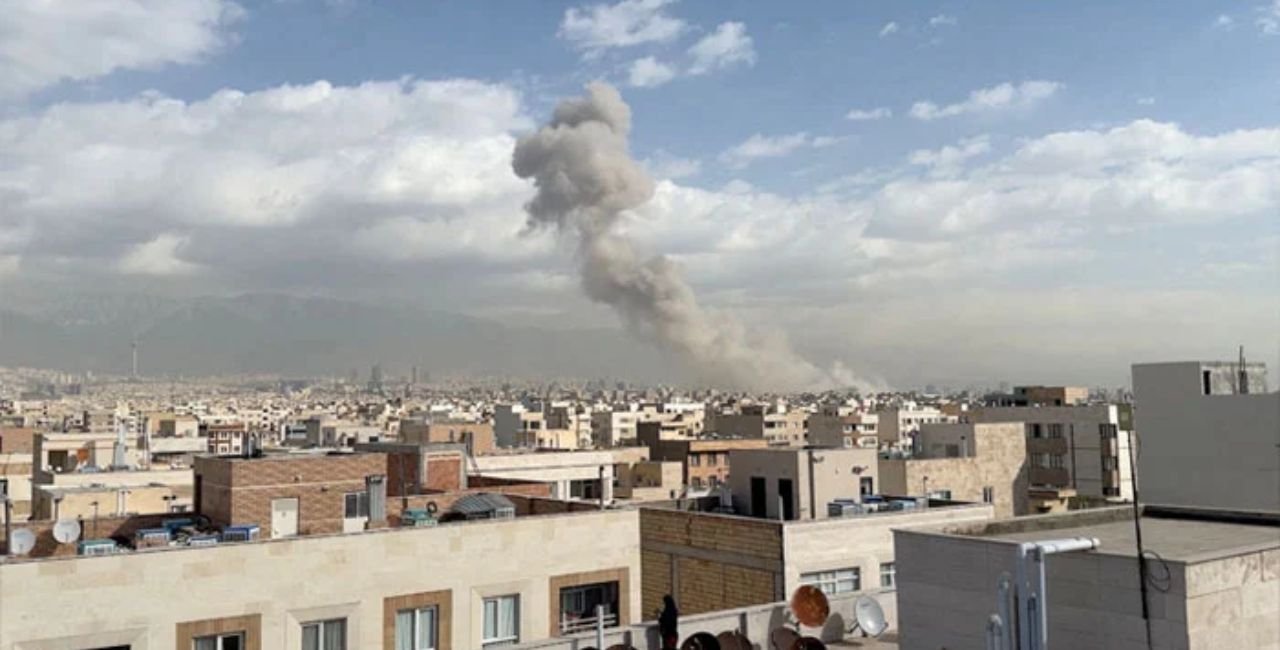
Early 2026 marked a significant phase in Middle East conflict updates, with events unfolding rapidly from late February onward. On February 28, joint operations by the United States and Israel targeted specific sites in Iran, focusing on military and leadership elements. These actions resulted in the reported loss of key Iranian figures, including Supreme Leader Ali Khamenei, prompting widespread international concern. Iran responded with missile and drone operations directed at Israeli targets and select locations in Gulf nations, including Bahrain, Kuwait, Oman, Saudi Arabia, and the United Arab Emirates. These exchanges led to civilian and infrastructure impacts, underscoring the human cost of escalation.
A notable aspect of this period involved disruptions in maritime navigation, particularly around critical waterways that facilitate global energy flows. Iran’s measures in the Strait of Hormuz contributed to temporary supply concerns, affecting economies far beyond the immediate region. Related developments included heightened activities involving groups in Lebanon and Yemen, extending the scope of tensions and prompting responses from multiple parties.
By early April, diplomatic interventions gained momentum. Pakistan played a pivotal mediation role, facilitating a two-week temporary ceasefire agreed upon around April 8 between the United States, Iran, and Israel. This arrangement aimed to pause direct hostilities and reopen key passages for safe navigation. As of mid-April 2026, the ceasefire holds tenuously, with ongoing monitoring by international observers. These Middle East conflict updates highlight how swift escalation gave way to urgent calls for restraint, illustrating the interconnected nature of regional security.
Key Developments in the 2026 Iran War and Related Dynamics
The events of February to April 2026, often referred to in analyses as the 2026 Iran war, represent a focal point in current Middle East conflict updates. Initial strikes targeted infrastructure and personnel, leading to retaliatory actions that affected multiple countries. Reports indicate casualties across Iran, Israel, Lebanon, and Gulf states, alongside damage to energy facilities and civilian areas. Humanitarian organizations documented the displacement of thousands and disruptions to essential services, calling for urgent aid access.
In Lebanon, parallel activities involving Israel and Hezbollah intensified, resulting in additional civilian losses and infrastructure strain. Yemeni groups, including the Houthis, conducted limited operations targeting southern Israel, marking their involvement in the broader context. These coordinated elements demonstrated the networked character of regional interactions but also the potential for containment through targeted diplomacy.
Ceasefire negotiations in Islamabad, Pakistan, involving high-level delegations from the United States and Iran, began in early April but concluded without a final comprehensive agreement as of April 12. Discussions centered on reopening maritime routes, addressing security concerns, and exploring longer-term frameworks. Vice President JD Vance led aspects of the U.S. side, while Iranian representatives emphasized preconditions for sustained calm. The process, though incomplete, signals openness to dialogue and reflects positive mediation by Pakistan.
For further details on specific incidents in Tehran, readers may explore Tehran Airstrikes Today from BNO News, which provides contextual analysis of 2026 developments. Similarly, insights into maritime challenges appear in Strait of Hormuz Tension.
Impacts on Neighboring Countries and the Gulf Region
The ripple effects of 2026 events extended across the Gulf and beyond, affecting economies, societies, and daily life. Gulf Cooperation Council members, including Saudi Arabia, the UAE, Qatar, Kuwait, Bahrain, and Oman, faced direct impacts from retaliatory actions, with reports of limited casualties and infrastructure concerns at energy sites. These nations responded through coordinated diplomatic statements, supporting resolutions that condemned disruptions while advocating for de-escalation.
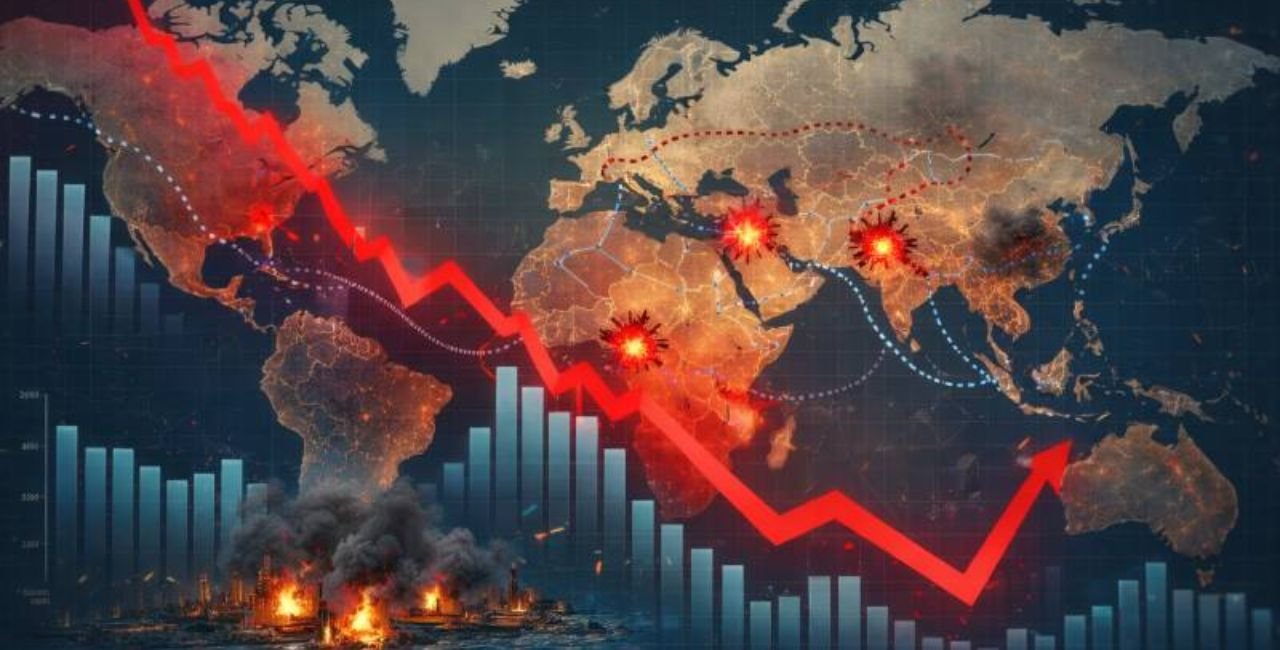
Economic consequences included short-term fluctuations in global energy markets due to Strait of Hormuz-related uncertainties, prompting some countries to release strategic reserves. Humanitarian needs rose, with organizations like the United Nations Office for the Coordination of Humanitarian Affairs (OCHA) highlighting requirements for medical aid, shelter, and reconstruction support. Displacement affected communities in Lebanon particularly severely, where over one-sixth of the population experienced movement amid heightened activities.
In Yemen and Syria, indirect effects compounded existing challenges, though focused efforts maintained relative stability in certain areas. Overall, these Middle East conflict updates reveal how interconnected the region is, where actions in one area influence stability elsewhere. Positive notes include Gulf states’ emphasis on dialogue and economic resilience, demonstrating a commitment to long-term prosperity over prolonged confrontation.
The Situation in Gaza, Lebanon, and Broader Palestinian Developments
Parallel to the Iran-focused events, updates from Gaza and Lebanon form an integral part of the regional picture. Gaza benefited from a ceasefire established in late 2025 under the U.S.-proposed Comprehensive Plan to End the Gaza Conflict (often linked to the Gaza peace plan). By January 2026, this entered a second phase involving transitional governance structures, including a Board of Peace and a National Committee for Administration. Progress included hostage releases, partial withdrawals, and increased humanitarian access, though sporadic incidents persisted into March, with reports of limited casualties.
In Lebanon, the 2026 escalation with Israel and Hezbollah added layers of complexity, with airstrikes and exchanges causing significant civilian tolls. Israeli operations targeted specific sites, while responses from Hezbollah involved rocket and drone activities. As of April 2026, reduced intensity followed the broader ceasefire announcement, yet full resolution remains pending.
These elements tie into wider aspirations for Palestinian self-determination and regional normalization. International endorsements, such as UN Security Council resolutions supporting peace frameworks, underscore collective interest in sustainable outcomes. Middle East conflict updates in this context stress the value of technocratic governance and international oversight to rebuild trust and infrastructure.
For a detailed historical overview of the 2026 Iran war, refer to the Wikipedia entry on the topic, which compiles verified timelines and sources.
Economic and Humanitarian Consequences Across the Region
The humanitarian dimension remains central to Middle East conflict updates in 2026. Thousands of families faced displacement, loss of livelihoods, and disruptions to education and healthcare. International agencies reported needs for food security, water access, and psychological support, particularly in affected urban and border areas. Civilian infrastructure, including schools, hospitals, and desalination facilities, sustained damage, amplifying calls for protected humanitarian corridors.
Economically, the temporary closure of key passages led to higher energy costs and supply chain adjustments globally. Oil-dependent economies adapted through diversified strategies and emergency measures, while affected populations experienced price pressures on essentials. Positive adaptations included strengthened regional cooperation on alternative routes and investment in resilience.
Longer-term, these challenges highlight opportunities for reconstruction focused on sustainable development. Investments in education, renewable resources, and inclusive growth could transform setbacks into foundations for prosperity. Reports from think tanks and UN bodies emphasize that addressing root causes through equitable policies yields enduring benefits for all communities.
International Diplomacy and Responses to the Crisis
Global responses to the 2026 developments have been multifaceted, involving the United Nations, major powers, and regional blocs. The UN Security Council held emergency sessions and adopted resolutions, such as one in March condemning specific actions while urging compliance with international norms. Broad co-sponsorship reflected widespread desire for calm.
The United States, under President Donald Trump, prioritized mediation alongside security objectives, with figures like Jared Kushner and Steve Witkoff involved in facilitation. European nations, China, and Russia expressed support for diplomatic tracks, though differing emphases emerged on timelines and priorities.
Pakistan’s brokering of the April ceasefire stands out as a constructive contribution, leveraging its neutral stance and ties to multiple parties. This aligns with broader Islamic principles of reconciliation and justice, promoting unity among Muslim-majority nations. Forums like the Gulf Cooperation Council and Arab League reinforced messages of de-escalation, while civil society initiatives amplified voices calling for peace.
Role of Regional Powers and Mediation Efforts
Regional powers have demonstrated leadership in navigating 2026 challenges. Gulf states advocated for de-escalation through GCC channels, prioritizing economic stability and safe navigation. Iran’s neighbors emphasized sovereignty and dialogue, contributing to resolution 2817 and related efforts.
Mediation by Pakistan exemplifies effective third-party involvement, hosting talks that brought adversaries to the table. Such initiatives draw on cultural values of hospitality and conflict resolution prevalent across the Islamic world, fostering environments conducive to compromise.
Broader engagement from Türkiye, Indonesia, and other nations in supporting Gaza frameworks further illustrates pan-regional solidarity. These efforts reinforce that Middle East conflict updates are not solely about immediate events but about building architectures for lasting cooperation.
Conclusion
As the temporary ceasefire continues into mid-April 2026, prospects for Middle East conflict updates hinge on sustained commitment to talks. Key tests include full reopening of maritime routes, implementation of transitional plans in Gaza, and reductions in Lebanon-related tensions. Success depends on verifiable confidence-building steps, inclusive participation, and addressing humanitarian priorities.
Optimistic scenarios envision expanded economic partnerships, cultural exchanges, and joint environmental projects that bind communities. Challenges persist, including political transitions in various capitals and external influences, yet historical precedents show that focused diplomacy can yield breakthroughs.
Communities across the region, guided by shared values of compassion and justice, continue to inspire hope. International support for reconstruction and development will be crucial. Ultimately, the path forward lies in prioritizing human dignity, equitable growth, and mutual respect—principles that have sustained the Middle East through centuries.
In the middle of ongoing analyses, Middle East conflict updates serve as a reminder of the region’s capacity for renewal when dialogue prevails over division. Stakeholders must seize this moment to advance frameworks that secure peace for generations.
Future monitoring will track progress in Islamabad follow-ups, Gaza governance milestones, and broader normalization talks. With collective will, the Middle East can transition from cycles of tension toward an era defined by collaboration and shared prosperity.