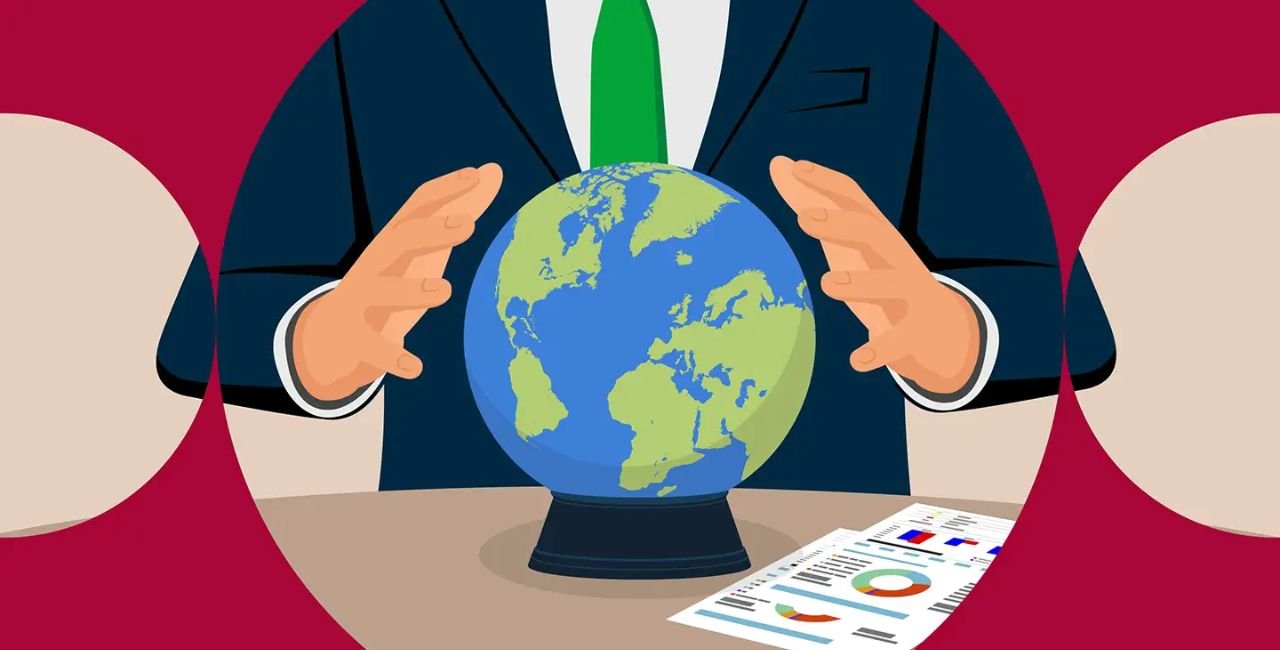
In an interconnected world where shifts in one region ripple across borders, the Latest Global Economy Updates highlight a period of remarkable steadiness despite ongoing adjustments. As nations adapt to evolving trade patterns and innovative advancements, experts from leading institutions provide fresh perspectives on what lies ahead. These developments underscore the importance of informed decision-making for sustainable progress that benefits communities everywhere.
Understanding the Current Landscape of Global Economic Activity
The global economy in early 2026 continues to demonstrate resilience, even as it navigates a complex mix of positive drivers and external pressures. Growth remains steady overall, supported by private sector adaptability and forward-looking investments, while certain headwinds like policy changes in trade require careful attention. This environment calls for a balanced view that prioritizes long-term stability and ethical practices across all economic activities.
Key indicators point to moderate expansion rather than dramatic surges or declines. Institutions such as the International Monetary Fund, World Bank, and United Nations Conference on Trade and Development offer complementary analyses, helping stakeholders appreciate the full picture. Their reports emphasize that while aggregate figures suggest continuity, the distribution of benefits varies widely across countries and sectors. For instance, advanced economies often show stronger per capita gains, whereas many developing areas focus on rebuilding momentum after recent disruptions.
Understanding these dynamics involves looking beyond headline numbers to examine underlying factors like productivity improvements and resource allocation. Families, businesses, and governments alike benefit from clarity on how these elements influence everyday opportunities, from job creation in growing industries to access to essential services. By focusing on constructive pathways, societies can foster environments where progress aligns with shared values of fairness and responsibility.
Major Institutional Forecasts for 2026 and Beyond
Leading organizations present a range of projections that reflect different assumptions about policy implementation and external events. These forecasts serve as essential guides for planning, highlighting both potential strengths and areas needing vigilance.
IMF Perspectives on Steady Growth Amid Divergent Forces
According to the IMF’s January 2026 World Economic Outlook Update, global output is projected to reach 3.3 percent in 2026 and 3.2 percent in 2027. This slight upward revision from earlier estimates underscores the offsetting role of technology investments and supportive fiscal and monetary measures. The report notes that private sector adaptability has helped counterbalance trade policy adjustments, allowing overall activity to hold firm. Inflation is anticipated to continue declining globally, although the pace varies by region, with some advanced economies experiencing a more gradual return to target levels.
The IMF highlights technology as a core driver, enabling efficiency gains that support expansion even in the face of uncertainties. Policymakers are encouraged to restore fiscal buffers, maintain price stability, and pursue structural reforms to enhance resilience. Downside risks include potential reevaluations of technology expectations and escalations in geopolitical tensions, which could disrupt momentum if not managed thoughtfully.
World Bank Insights on Resilience with Uneven Recovery
The World Bank’s Global Economic Prospects for January 2026 projects global growth at approximately 2.6 percent in 2026, edging up to 2.7 percent in 2027. This outlook acknowledges the economy’s ability to withstand trade tensions and policy shifts, yet it cautions that the current decade may record the weakest average growth since the 1960s if trends persist. Advanced economies have largely recovered per capita income levels above pre-2020 benchmarks, while over one-quarter of emerging market and developing economies (EMDEs) still lag behind.
Regional details reveal steady performance in Europe and Central Asia at 2.4 percent for 2026, supported by domestic demand. East Asia and Pacific, including China, is expected to moderate to 4.4 percent amid structural adjustments. Low-income countries show firmer growth at 5.7 percent in 2026, though this remains insufficient for substantial poverty reduction or robust job creation for the large youth population entering the workforce. The report stresses the need for diversified trade, stronger macroeconomic frameworks, and efforts to ease financing constraints to unlock private investment.
UNCTAD Analysis of Slowing Yet Manageable Momentum
The United Nations Conference on Trade and Development forecasts global growth slowing to 2.7 percent in 2026 before rising modestly to 2.9 percent in 2027. This path stays below the pre-pandemic average of 3.2 percent, reflecting subdued investment and persistent structural headwinds despite easing inflation, which is expected to drop to 3.1 percent globally. Trade volumes performed better than anticipated in 2025 due to front-loading ahead of barriers, but 2026 anticipates normalization as temporary boosts fade.
UNCTAD points to domestic demand and policy easing as supports in the United States and parts of Asia, contrasted with weaker conditions in Europe. High debt burdens and climate-related shocks continue to limit progress in many developing economies. Policy advice centers on coordinated macroeconomic measures, targeted fiscal actions to protect vulnerable groups, and reinforced multilateral cooperation to sustain an open trading system.
These institutional views collectively illustrate a global economy that advances steadily without dramatic volatility. Differences in projections arise from varying emphases on factors such as trade impacts or technological contributions, yet the consensus points to manageable growth underpinned by adaptability.
Regional Performance and Divergences
Divergent paths across regions highlight the need for tailored approaches that respect local contexts while contributing to worldwide harmony.
Advanced Economies: Focus on the United States and Europe
In the United States, growth is anticipated to remain solid, benefiting from domestic demand and policy adjustments that support productivity. Europe and Central Asia maintain steady expansion around 2.4 percent, driven by internal consumption even as certain structural challenges persist. These economies demonstrate how mature markets can sustain progress through innovation and careful management of resources.
Emerging Markets: China, India, and Asia
China’s economy undergoes measured adjustment, with projections around 4.4 percent for 2026 reflecting ongoing transitions in key sectors. India and other Asian nations continue to contribute significantly to global expansion, often outpacing larger peers through dynamic domestic markets and strategic investments. This region exemplifies the potential of emerging centers to drive positive change when supported by forward-thinking policies. For additional context on developments in major Asian economies, see related coverage on China economy crisis news from BNO News.
Developing Regions: Africa, Latin America, and Beyond
Sub-Saharan Africa and low-income countries project firmer growth near 5.7 percent, though challenges such as climate impacts require sustained international collaboration. Latin America and the Caribbean anticipate more modest advances, emphasizing the value of diversified activities and community-focused initiatives. These areas remind us that inclusive strategies can uplift entire populations when aligned with ethical principles.
Key Drivers Fueling Resilience
Several positive forces help maintain forward movement despite complexities.
Technological Advancements and Productivity Gains
Investments in innovative technologies enhance efficiency across industries, enabling businesses to achieve more with available resources. This contributes to broader economic vitality without relying on unsustainable practices.
Policy Support and Financial Conditions
Accommodative measures from authorities provide stability, allowing markets to function smoothly. Such support fosters an environment where ethical enterprises can thrive and contribute meaningfully to society.
Challenges and Headwinds in the Global Arena
While progress continues, certain obstacles demand attention to ensure balanced outcomes. Here, the Latest Global Economy Updates again emphasize the importance of proactive adaptation to safeguard shared prosperity.
Trade Policies and International Tensions
Adjustments in international commerce require nations to explore cooperative frameworks that promote mutual benefits. Diversification and transparent practices help mitigate disruptions.
Inflation Dynamics and Cost of Living
Easing price pressures provide relief, yet vigilance remains essential to protect household well-being, particularly for lower-income groups.
Geopolitical and Environmental Risks
Ongoing tensions and climate considerations call for collaborative solutions that prioritize long-term sustainability and community resilience.
Opportunities for Sustainable and Ethical Growth
Amid these dynamics, numerous avenues exist for constructive advancement. Green initiatives in energy and resource management open doors for responsible development that respects natural balances. Ethical business practices, as outlined in resources like business growth strategies 2026 from BNO News, encourage innovation that serves both economic and social goals. International trade developments further support inclusive participation when guided by fairness.
Policy Recommendations and Future Strategies
Experts advocate restoring buffers, implementing reforms, and enhancing cooperation. These steps can strengthen foundations for enduring success, aligning with world market analysis that values stability and shared welfare.
Sectoral Impacts and Adaptations
Technology and Digital Transformation
Digital tools transform operations, improving access and efficiency in ways that empower individuals and organizations alike.
Energy and Resources
Sustainable approaches in energy sectors promote reliability and environmental care, supporting broader economic health.
Agriculture and Food Security
Focus on resilient farming practices ensures stable supplies, benefiting communities globally.
Global Trade and Investment Flows
Trade remains a vital connector, with efforts toward diversification enhancing stability. Monitoring gold price global news from BNO News offers additional perspectives on market dynamics.
Outlook for 2027 and Long-Term Perspectives
Projections for 2027 suggest continued moderation with potential for gradual improvement as adaptations take hold. Long-term success depends on embracing global economic trends that prioritize ethical, inclusive growth. By integrating insights from international market analysis and focusing on collaborative strategies, societies can build a brighter shared future.
Conclusion
The global economy in 2026 and beyond presents a landscape rich with potential when approached with wisdom and cooperation. These updates serve as a foundation for informed actions that uplift communities while respecting core principles of integrity and sustainability. Stakeholders across all levels can draw inspiration from the demonstrated resilience and chart paths toward meaningful, lasting progress.