The world continues to navigate complex pressures in early 2026, with many observers seeking a clear World Economic Crisis Update to understand ongoing shifts in production, trade, and daily living costs. While overall output shows moderate expansion, persistent challenges such as elevated prices for essentials, regional disruptions, and uneven growth patterns highlight the need for careful analysis and adaptive approaches. This detailed examination draws on the most recent international assessments to provide a balanced view of where the global economy stands and what lies ahead.
Understanding the Broader Context of Global Economic Pressures
To appreciate the current situation, it helps to consider how economies worldwide have evolved through periods of adjustment. Historical patterns of slowdowns often stem from a combination of external shocks and internal imbalances, reminding us that resilience comes from diversified production and strong community foundations. For additional perspective on past global economic history and lessons learned, one useful reference is the overview of major downturns available through established encyclopedic resources.
In the present day, projections from leading international bodies indicate global output expanding at roughly 3.0 to 3.3 percent in 2026, according to updates from organizations like the International Monetary Fund and the United Nations Department of Economic and Social Affairs. These figures fall below the pre-2020 average of around 3.2 percent, signaling a phase of cautious momentum rather than robust acceleration. Factors such as technology-driven efficiencies in manufacturing and services provide some support, yet they coexist with headwinds from trade adjustments and resource availability.
Inflation remains a key concern, with price increases for energy and basic commodities affecting households across continents. Supply chain adjustments, partly linked to recent geopolitical developments, have contributed to these trends. Unemployment levels vary by region, with some advanced areas seeing stable job creation in innovation sectors while others face slower hiring in traditional industries. The overall picture calls for focused attention on real production capacities, food security, and equitable distribution of opportunities.
Key Drivers Behind the 2026 Economic Landscape
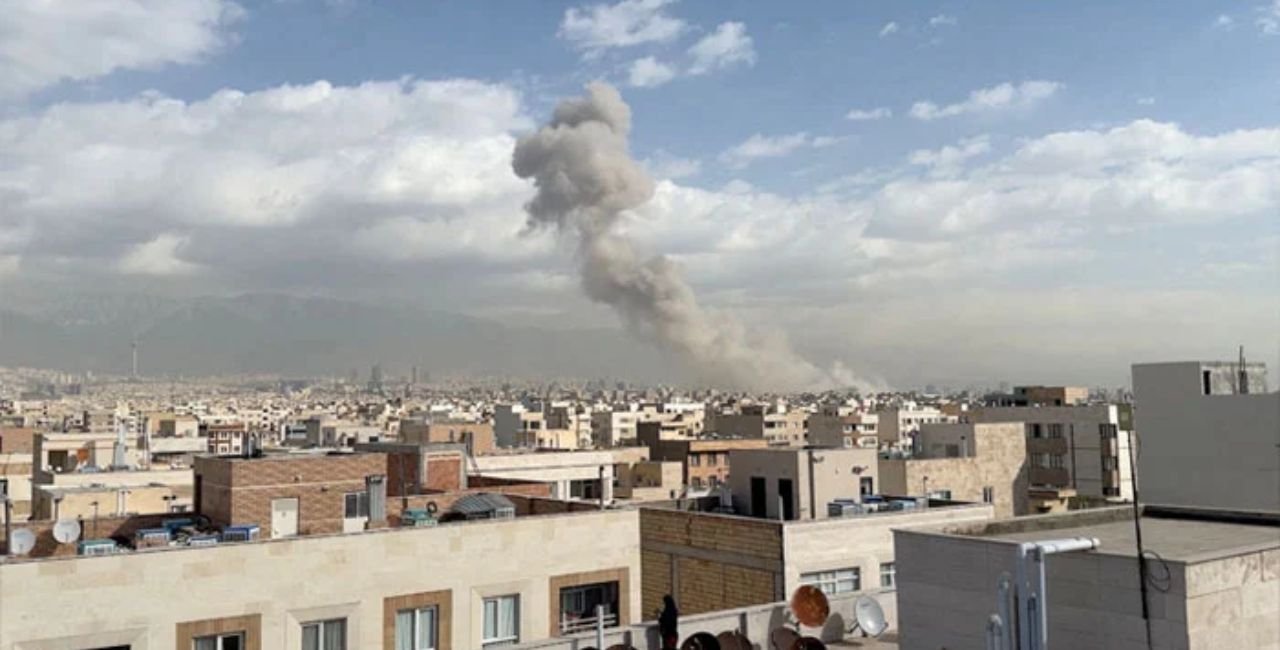
Several interconnected elements shape the current global economic environment. Geopolitical developments, particularly in energy-producing regions, have influenced the availability and cost of essential resources. Recent events in the Middle East have led to notable adjustments in energy supply routes, pushing up costs for transportation and manufacturing in many countries. This has ripple effects on everyday expenses, from fuel for vehicles to inputs for agriculture and industry.
Trade policy shifts, including new tariffs and regional agreements, have altered established flows of goods. While some nations have benefited from redirected commerce, others experience delays and higher operational costs. Supply chain recovery remains uneven, with certain critical components facing longer lead times due to logistical recalibrations.
China, as a major global producer, continues to implement structural reforms aimed at more balanced and sustainable expansion. Reports highlight a 2026 growth target in the 4.5 to 5 percent range, reflecting deliberate efforts to address internal adjustments while managing external influences. For a closer look at these developments and their wider implications, the dedicated coverage on China economy crisis news offers valuable regional insights.
In parallel, energy market dynamics have taken center stage. Fluctuations in oil availability have created cost pressures that extend beyond immediate users to affect global manufacturing and transport networks. Detailed analysis of these patterns can be found in resources examining the oil price fluctuations 2026, which outline both immediate effects and longer-term planning considerations.
Technology and innovation stand out as important stabilizing forces. Advances in artificial intelligence and digital tools have boosted productivity in sectors ranging from agriculture to logistics, helping offset some of the broader slowdown risks. Countries investing in these areas report stronger performance in high-value services and precision manufacturing.
Regional Variations and Their Unique Challenges
The impact of these pressures differs significantly across continents and development levels. In North America, steady consumer activity and technology investments have supported output growth near 2.5 percent, though higher costs for imported components have created localized price adjustments. Europe faces a mix of energy transition efforts and trade recalibrations, with some nations prioritizing infrastructure upgrades to enhance self-reliance in key materials.
Asia presents a diverse picture. While parts of East and Southeast Asia benefit from integrated production networks and innovation hubs, South and Central Asian economies grapple with balancing food production needs against rising input costs. Emerging markets in Africa and Latin America show resilience through agricultural strengths and resource management, yet they remain sensitive to global commodity price movements.
Developing regions, including those in South Asia, emphasize community-based solutions and infrastructure projects to maintain employment and output. These areas often prioritize food security and local manufacturing to reduce dependence on distant supply lines. International cooperation through forums and shared knowledge platforms plays a vital role in supporting these efforts.
Sector-Specific Impacts and Adaptation Measures
Energy and resource sectors feel the effects most acutely. Elevated costs for fuel and raw materials have prompted industries to explore efficiency improvements and alternative sourcing. Manufacturing has adapted through greater automation and localized production clusters, which help shorten supply routes and stabilize employment.
Agriculture and food systems face dual pressures from weather variability and input costs, yet improved techniques in sustainable farming have supported steady output in many areas. Services, particularly digital and knowledge-based activities, continue to expand and provide employment buffers.
Construction and infrastructure development remain bright spots in many economies, as governments and private entities invest in long-term projects that enhance connectivity and productivity. These initiatives create jobs and lay foundations for future growth.
Businesses of all sizes are turning to practical adaptation approaches. Leaders focus on building flexible operations, investing in workforce skills, and fostering responsible practices that align with community needs. Resources such as those detailing business adaptation in uncertain times provide actionable ideas for maintaining momentum while upholding ethical standards.
Households and communities contribute through mindful consumption, support for local producers, and participation in skill-building programs. These grassroots efforts strengthen overall economic fabric and promote shared prosperity.
World Economic Crisis Update in the middle of 2026 reveals a global landscape where moderate growth coexists with targeted pressures that require coordinated responses. Technology investments and adaptive policies have helped maintain stability, yet vigilance remains essential regarding energy availability, trade flows, and equitable opportunity distribution.
Pathways Toward Sustainable Recovery and Resilience
Looking forward, several strategies emerge as particularly promising. International collaboration on resource sharing and knowledge exchange can smooth out imbalances. Investment in education and vocational training equips people with skills suited to evolving production methods. Emphasis on sustainable practices in agriculture, energy, and manufacturing supports long-term environmental and economic health.
Policymakers across regions prioritize infrastructure that enhances connectivity, reduces waste, and promotes inclusive participation. Public-private partnerships focused on innovation and community needs have shown positive results in various contexts.
Individuals and families can contribute by supporting local enterprises, pursuing lifelong learning, and adopting resource-efficient habits. These actions collectively build stronger foundations at the community level.
Risks persist, including further disruptions from external events or slower-than-expected adjustments in key production areas. However, the demonstrated adaptability of workers, businesses, and institutions suggests capacity for positive outcomes when approaches remain focused and collaborative.
Future Outlook and Practical Considerations for 2026 and Beyond
Projections for the remainder of 2026 and into 2027 point toward gradual stabilization, with growth settling around 3 percent globally under baseline assumptions. Inflation is expected to moderate as supply adjustments take hold, though energy and food prices will require ongoing monitoring.
Regions that diversify production sources and invest in human capital are likely to fare better. Continued focus on technology as a productivity enhancer, combined with responsible resource management, can support broader participation in economic gains.
For businesses, the emphasis lies on agility, ethical operations, and value creation that benefits stakeholders. Communities thrive when policies and practices prioritize fairness, access to opportunities, and environmental stewardship.
In summary, the global economy in 2026 demonstrates both vulnerabilities and strengths. By addressing core challenges through cooperation, innovation, and grounded strategies, nations and individuals can work toward more balanced and sustainable progress. Regular monitoring of key indicators and openness to adaptive solutions will remain vital as conditions evolve.
This World Economic Crisis Update underscores the importance of informed awareness and proactive engagement at every level. With thoughtful actions today, the pathways to recovery and shared prosperity become clearer and more achievable for communities worldwide.